Agadah How Old Was Bilam When He Died
Parsha Pages | July 14, 2024
Print This Article
View Original PDF

Agadah How Old Was Bilam When He Died

Parsha Pages | June 27, 2025

AGADAH: HOW OLD WAS BILAM WHEN HE DIED? (DAFYOMI.CO.IL)

QUESTION: The Gemara (Sanhendrin 106b) says that a Min asked Rebbi Chanina if he knew how old Bilam was when he died. Rebbi Chanina replied that although it is not explicitly stated anywhere, one may infer that Bilam was either 33 or 34 years old when he died. The verse states "Anshei Damim u'Mirmah Lo Yechetzu Yemeihem" -- "People of blood and crookedness, they will not have half of their days" (Tehilim 55:24). Since the average lifespan is 70 years, as the verse states, "Yemei Shenoseinu Shiv'im Shanah" -- "The number of our years is 70 years" (Tehilim 90:10), it stands to reason that Bilam lived less than half of those years. The Min informed Rebbi Chanina that he was correct; he personally had seen a written chronicle about Bilam which stated that Bilam was 33 years old when he was killed by Pinchas.

The Gemara here seems to contradict the statement of Rebbi Sima'i earlier (106a). Rebbi Sima'i states that three people were consulted about "that plot" (to enslave the Jews in Mitzrayim): Bilam, Iyov, and Yisro. Bilam advised that it was a good idea; later, as punishment for his advice, he was killed. Iyov, was silent, and was punished with suffering. Yisro ran away, and merited that his children would sit on the Sanhedrin in the Lishkas ha'Gazis. According to Rebbi Sima'i, Bilam would have been well over 200 years old when he died! Can these Gemaras be reconciled with each other?

ANSWERS:

(a) RASHI (DH Bar Tilsin) writes that it is clear that these Gemaras disagree. He says that according to Rebbi Sima'i, Bilam was over 210 years old, since Rebbi Sima'i maintains that Bilam was involved in the plot to throw the Jewish boys into the river.

The MELO HA'RO'IM has difficulty with Rashi's assertion that Bilam was over 210 years old. It was only a little over 80 years from the time of the decree to kill the Jewish boys until the Jewish people left Mitzrayim. This is clear from the fact that Moshe Rabeinu led the Jewish people out of Mitzrayim when he was 80 years old, and he was the last baby boy to whom the decree applied.

The DA'AS ZEKENIM (Shemos 1:10) and others seem to learn like the Melo ha'Ro'im. They agree, however, with Rashi that these two statements in the Gemara argue with each other, but they maintain that Bilam was about 140 years old when he died. The Da'as Zekenim explains that Bilam must have been at least 20 years old when he was asked for his advice. Another 80 years passed from the decree to throw the boys into the river, and another 40 years passed from the Exodus until the war with Midyan, which occurred at the end of the Jewish people's 40 years in the Midbar (see Bamidbar 31:2).

(b) The Da'as Zekenim quotes REBBI MENACHEM MI'DANI who says that these Gemaras do not disagree. When Rebbi Sima'i says that three people were consulted in the plot, he does not refer to the plot to enslave the Jews in Mitzrayim. Rather, he refers to the plot of "Lecha Iy'atzecha" -- "Let me advise you" (Balak 24:14), which hints to Bilam's advice to Balak that he could defeat the Jews by sending women to seduce them and have them serve Avodah Zarah, which would make Hash-m want to destroy them. Although Balak consulted Yisro and Iyov as well, they ran away or kept quiet. Bilam could have been very young at the time, and he could have died at 33.

However, this explanation conflicts with the Gemara in Zevachim (116b). The Gemara there states that all of the nations gathered to ask Bilam what was happening at the moment the Torah was given to the Jewish people. Bilam must have been at least 20 years old at the time, for otherwise they would not have sought his advice. This means that upon his death, he would have been at least 60 years old. Accordingly, it is difficult to reconcile these three Gemaras with each other.

(c) The ANAF YOSEF says that the Gemaras are not arguing. There were two individuals named Bilam. The second Bilam, who was killed by Pinchas, was a Gilgul (reincarnation) of the first Bilam who advised Pharaoh to throw the baby boys into the river. When the Gemara says that Bilam proclaimed "Keini (Yisro's descendants) -- you were with us in the consultation!" he meant that Yisro was with him in his former Gilgul. (Y. MONTROSE)
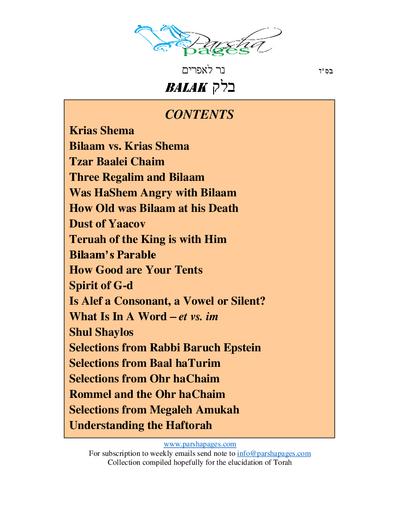
AGADAH: HOW OLD WAS BILAM WHEN HE DIED? (DAFYOMI.CO.IL)

QUESTION: The Gemara (Sanhendrin 106b) says that a Min asked Rebbi Chanina if he knew how old Bilam was when he died. Rebbi Chanina replied that although it is not explicitly stated anywhere, one may infer that Bilam was either 33 or 34 years old when he died. The verse states "Anshei Damim u'Mirmah Lo Yechetzu Yemeihem" -- "People of blood and crookedness, they will not have half of their days" (Tehilim 55:24). Since the average lifespan is 70 years, as the verse states, "Yemei Shenoseinu Shiv'im Shanah" -- "The number of our years is 70 years" (Tehilim 90:10), it stands to reason that Bilam lived less than half of those years. The Min informed Rebbi Chanina that he was correct; he personally had seen a written chronicle about Bilam which stated that Bilam was 33 years old when he was killed by Pinchas.

The Gemara here seems to contradict the statement of Rebbi Sima'i earlier (106a). Rebbi Sima'i states that three people were consulted about "that plot" (to enslave the Jews in Mitzrayim): Bilam, Iyov, and Yisro. Bilam advised that it was a good idea; later, as punishment for his advice, he was killed. Iyov, was silent, and was punished with suffering. Yisro ran away, and merited that his children would sit on the Sanhedrin in the Lishkas ha'Gazis. According to Rebbi Sima'i, Bilam would have been well over 200 years old when he died! Can these Gemaras be reconciled with each other?

ANSWERS:

(a) RASHI (DH Bar Tilsin) writes that it is clear that these Gemaras disagree. He says that according to Rebbi Sima'i, Bilam was over 210 years old, since Rebbi Sima'i maintains that Bilam was involved in the plot to throw the Jewish boys into the river.

The MELO HA'RO'IM has difficulty with Rashi's assertion that Bilam was over 210 years old. It was only a little over 80 years from the time of the decree to kill the Jewish boys until the Jewish people left Mitzrayim. This is clear from the fact that Moshe Rabeinu led the Jewish people out of Mitzrayim when he was 80 years old, and he was the last baby boy to whom the decree applied.

The DA'AS ZEKENIM (Shemos 1:10) and others seem to learn like the Melo ha'Ro'im. They agree, however, with Rashi that these two statements in the Gemara argue with each other, but they maintain that Bilam was about 140 years old when he died. The Da'as Zekenim explains that Bilam must have been at least 20 years old when he was asked for his advice. Another 80 years passed from the decree to throw the boys into the river, and another 40 years passed from the Exodus until the war with Midyan, which occurred at the end of the Jewish people's 40 years in the Midbar (see Bamidbar 31:2).

(b) The Da'as Zekenim quotes REBBI MENACHEM MI'DANI who says that these Gemaras do not disagree. When Rebbi Sima'i says that three people were consulted in the plot, he does not refer to the plot to enslave the Jews in Mitzrayim. Rather, he refers to the plot of "Lecha Iy'atzecha" -- "Let me advise you" (Balak 24:14), which hints to Bilam's advice to Balak that he could defeat the Jews by sending women to seduce them and have them serve Avodah Zarah, which would make Hash-m want to destroy them. Although Balak consulted Yisro and Iyov as well, they ran away or kept quiet. Bilam could have been very young at the time, and he could have died at 33.

However, this explanation conflicts with the Gemara in Zevachim (116b). The Gemara there states that all of the nations gathered to ask Bilam what was happening at the moment the Torah was given to the Jewish people. Bilam must have been at least 20 years old at the time, for otherwise they would not have sought his advice. This means that upon his death, he would have been at least 60 years old. Accordingly, it is difficult to reconcile these three Gemaras with each other.

(c) The ANAF YOSEF says that the Gemaras are not arguing. There were two individuals named Bilam. The second Bilam, who was killed by Pinchas, was a Gilgul (reincarnation) of the first Bilam who advised Pharaoh to throw the baby boys into the river. When the Gemara says that Bilam proclaimed "Keini (Yisro's descendants) -- you were with us in the consultation!" he meant that Yisro was with him in his former Gilgul. (Y. MONTROSE)

PDF Preview