The Sons of Aharon
BET Journal | June 06, 2024
Print This Article
View Original PDF

The Sons of Aharon

BET Journal | June 27, 2025

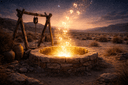
Several pesukim in parshat Bamidbar are devoted to the sons of Aharon. “These are the generations of Aaron and Moshe on the day that Hashem spoke with Moshe in Mount Sinai.” “And these are the names of the sons of Aaron: Nadav the first born, and Avihu, Elazar, and Itamar.” ”These were the names of the sons of Aaron, the anointed Kohanim, Elazar, and Itamar.” “Nadav and Avihu died before Hashem when they offered an alien fire before Hashem in the wilderness of Sinai, and they had no children.”

Were Nadav and Avihu considered the descendants of Moshe? How can they be the sons of both Moshe and Aaron? Why aren’t the children of Moshe mentioned if the pasuk speaks of his offspring also? Were the children of Aaron born on the day of Kabalat Hatorah? In pasuk 3 it states again “these are the sons of Aaron” why is it repeated? In the next pasuk it tells us that Nadav and Avihu passed away by bringing a foreign fire. We know that already from Chumash Vayikra, why was that repeated here? “And they had no children” why was this detail added here?

Some of these questions can be answered by the Midrash that Rashi quotes. “Anyone that teaches the child of his friend Torah it is as if he gave birth to them”. Therefore, the Torah shows us that they in fact were considered the sons of Moshe on the day that Hashem spoke with Moshe on Mount Sinai. They were so close to Moshe and that they received the word of Hashem directly from Moshe and that made them into his children. This is the power of a Rebbe-Talmid relationship; it’s a parental bond.

The Torah states they were sons of Aaron in two consecutive pesukim to correspond to the attributes that they received from Aaron either physically or spiritually. The first time it says Aaron is their physical father; the second time corresponds to the spiritual privilege of being a Kohain that they received from Aaron. What remains to be understood is the repetition of how the children of Aaron passed away, and the fact that they had no children. Why is that detail repeated now?

Nadav and Avihu were so close to Moshe and wished to emulate him in every way. They were very holy and impatient to become really close to Hashem. They jumped the gun and they brought a foreign fire in hopes of reaching that goal instantly. But what were they really lacking? Chazal tell us they drank wine, or that they determined a halacha in Moshe’s presence. However, the laws governing this were taught only after the incident, so they were never warned. What did they do wrong?

The Midrash tells us that Nadav and Avihu were discussing that they believed they were greater than Moshe and Aaron and were wondering when it would be their turn to lead the nation. The Torah is teaching us that though they had every attribute of a leader to replace Moshe and Aaron they were lacking children, which also means students. The Torah’s repetition, stating they had no children, is to fortify the lesson that no matter how great and pious a person is, he is found lacking if he did not give his teachings over to others.

As the holiday of Shavuos is upon us and we prepare ourselves for this momentous occasion we must truly understand that Matan Torah does not mean receiving the Torah; rather, it means “giving the Torah.” Each and every one of us has something to teach and by imparting wisdom to others, we ourselves can reach greater heights of Torah.

Several pesukim in parshat Bamidbar are devoted to the sons of Aharon. “These are the generations of Aaron and Moshe on the day that Hashem spoke with Moshe in Mount Sinai.” “And these are the names of the sons of Aaron: Nadav the first born, and Avihu, Elazar, and Itamar.” ”These were the names of the sons of Aaron, the anointed Kohanim, Elazar, and Itamar.” “Nadav and Avihu died before Hashem when they offered an alien fire before Hashem in the wilderness of Sinai, and they had no children.”

Were Nadav and Avihu considered the descendants of Moshe? How can they be the sons of both Moshe and Aaron? Why aren’t the children of Moshe mentioned if the pasuk speaks of his offspring also? Were the children of Aaron born on the day of Kabalat Hatorah? In pasuk 3 it states again “these are the sons of Aaron” why is it repeated? In the next pasuk it tells us that Nadav and Avihu passed away by bringing a foreign fire. We know that already from Chumash Vayikra, why was that repeated here? “And they had no children” why was this detail added here?

Some of these questions can be answered by the Midrash that Rashi quotes. “Anyone that teaches the child of his friend Torah it is as if he gave birth to them”. Therefore, the Torah shows us that they in fact were considered the sons of Moshe on the day that Hashem spoke with Moshe on Mount Sinai. They were so close to Moshe and that they received the word of Hashem directly from Moshe and that made them into his children. This is the power of a Rebbe-Talmid relationship; it’s a parental bond.

The Torah states they were sons of Aaron in two consecutive pesukim to correspond to the attributes that they received from Aaron either physically or spiritually. The first time it says Aaron is their physical father; the second time corresponds to the spiritual privilege of being a Kohain that they received from Aaron. What remains to be understood is the repetition of how the children of Aaron passed away, and the fact that they had no children. Why is that detail repeated now?

Nadav and Avihu were so close to Moshe and wished to emulate him in every way. They were very holy and impatient to become really close to Hashem. They jumped the gun and they brought a foreign fire in hopes of reaching that goal instantly. But what were they really lacking? Chazal tell us they drank wine, or that they determined a halacha in Moshe’s presence. However, the laws governing this were taught only after the incident, so they were never warned. What did they do wrong?

The Midrash tells us that Nadav and Avihu were discussing that they believed they were greater than Moshe and Aaron and were wondering when it would be their turn to lead the nation. The Torah is teaching us that though they had every attribute of a leader to replace Moshe and Aaron they were lacking children, which also means students. The Torah’s repetition, stating they had no children, is to fortify the lesson that no matter how great and pious a person is, he is found lacking if he did not give his teachings over to others.

As the holiday of Shavuos is upon us and we prepare ourselves for this momentous occasion we must truly understand that Matan Torah does not mean receiving the Torah; rather, it means “giving the Torah.” Each and every one of us has something to teach and by imparting wisdom to others, we ourselves can reach greater heights of Torah.

PDF Preview