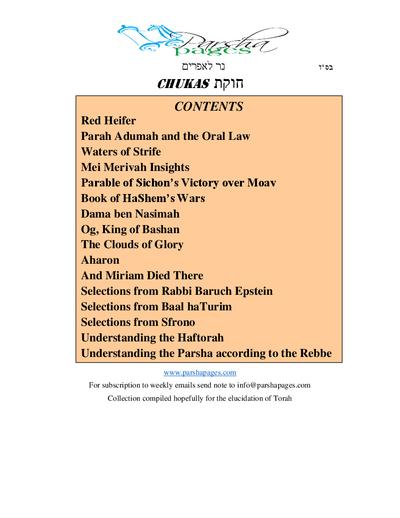
Parable of Sichons Victory over Moab
Parsha Pages | July 08, 2024
Print This Article
View Original PDF

Parable of Sichons Victory over Moab

Parsha Pages | June 27, 2025

במדבר פרק כא כז עַל-כֵּּן יֹאמְרוּ הַמּש ְלִים בֹּאוּ חֶש ְבּוֹן תִּבָּּנֶה וְתִכּוֹנֵּן עִיר סִיחוֹן:
כח כִּי-אֵּש יָּצְאָּה מֵּחֶש ְבּוֹן לֶהָּבָּה תַיְרִ קִמ סִיחֹן אָּכְלָּה עָּר מוֹאָּב בַּעֲלֵּי בָּּמוֹת אַרְ נֹן :
כט אוֹי-ָּךְל מוֹאָּב אָּבַדְ תָּּ עַם -כְּמוֹש נָּתַן בָּּנָּיו פְּלֵּיטִם וּבְנֹתָּיו בַּש ְּבִית ךֶלֶמְל אֱמֹרִ י סִיחוֹן :
ל וַנִּירָּ ם אָּבַד חֶש ְבּוֹן עַד-דִּ יבֹן וַנַּש ִּים עַד-נֹפַח אֲש ֶר עַד-מֵּידְ בָּא :

Numbers 21: 27 The minstrels therefore say: Come to Cheshbon! Let Sichon's city be built and established. 28 For a fire has come out of Cheshbon; a flame from Sichon's capital, and it has consumed Ar of Moab, the masters of the Arnon's altars. 29 Woe is to you, Moab; you are destroyed, nation of Kemosh. Your sons have become refugees; your daughters are captives To Sichon, king of the Amorites. 30 [Moab's] kingdom was obliterated [from] Cheshbon as far as Divon, and was laid waste as far as Nofech near Medeva.

Explained in Bava Basra 78b
“Therefore, says this”: refers to the war that Sichon waged against Moab when he hired Balaam to curse the Moabites. Baalam and his father Beor couched their words in parables and dark sayings. However, just as Sichon’s victory only resulted in the ultimate takeover by the Jews, so these verses allude to the ultimate reward of the righteous and the punishment of the wicked. “Ha'Moshelim" are people who Moshel (rule over) their evil inclinations.

  • עַל-כֵּּן יֹאמְרוּ הַמּש ְלִים - “An accounting”: come, make the most important calculation, i.e. what one loses to do a Mitzvah, compared to the reward he will receive, and what one gains by a transgression, compared to what he will lose from it.
  • בֹּאוּ חֶש ְבּוֹן - If you do so, you will be built in this world and prepared for the world to come.
  • תִּבָּּנֶה וְתִכּוֹנֵּן - If one acts like an Ayar (Si'ach, talker), and follows the voice of his evil inclination and heresy.
  • עִיר סִיחוֹן - Fire from those who calculate will consume those who do not calculate.
  • כִּי-אֵּש יָּצְאָּה מֵּחֶש ְבּוֹן - From the city of Tzadikim, one can be called Sichin (trees). Second mention of Sichon is not a reference to the wicked (like the first) but to trees which are also called Sichin.
  • לֶהָּבָּה תַיְרִ קִמ סִיחֹן - Refers to one who follows his evil inclination, like an Ayar (young ass).
  • אָּכְלָּה עָּר - These are haughty people (“bamos” high place); anyone who has haughtiness falls to Gehinom.
  • בַּעֲלֵּי בָּּמוֹת - (As if two words אין רם “none on High”) a Rasha says 'Ein Ram' (he denies the Exalted, i.e. HaShem) and says ‘Ovad Cheshbon’ (denies that there is a Judge who judges people).
  • וַנִּירָּ ם אָּבַד חֶש ְבּוֹן - HaShem says, “wait until judgment will come!” (as if written עד יבא דין).
  • עַד-דִּ יבֹן - A fire will come that need not be fanned (“nofach” blow).
  • וַנַּש ִּים עַד-נֹפַח - Until their Neshamos will be distraught (read מידכא). Some explain, until HaShem punishes them like d'Boi (He wants).
  • עַד-מֵּידְ בָּא

במדבר פרק כא כז עַל-כֵּּן יֹאמְרוּ הַמּש ְלִים בֹּאוּ חֶש ְבּוֹן תִּבָּּנֶה וְתִכּוֹנֵּן עִיר סִיחוֹן:
כח כִּי-אֵּש יָּצְאָּה מֵּחֶש ְבּוֹן לֶהָּבָּה תַיְרִ קִמ סִיחֹן אָּכְלָּה עָּר מוֹאָּב בַּעֲלֵּי בָּּמוֹת אַרְ נֹן :
כט אוֹי-ָּךְל מוֹאָּב אָּבַדְ תָּּ עַם -כְּמוֹש נָּתַן בָּּנָּיו פְּלֵּיטִם וּבְנֹתָּיו בַּש ְּבִית ךֶלֶמְל אֱמֹרִ י סִיחוֹן :
ל וַנִּירָּ ם אָּבַד חֶש ְבּוֹן עַד-דִּ יבֹן וַנַּש ִּים עַד-נֹפַח אֲש ֶר עַד-מֵּידְ בָּא :

Numbers 21: 27 The minstrels therefore say: Come to Cheshbon! Let Sichon's city be built and established. 28 For a fire has come out of Cheshbon; a flame from Sichon's capital, and it has consumed Ar of Moab, the masters of the Arnon's altars. 29 Woe is to you, Moab; you are destroyed, nation of Kemosh. Your sons have become refugees; your daughters are captives To Sichon, king of the Amorites. 30 [Moab's] kingdom was obliterated [from] Cheshbon as far as Divon, and was laid waste as far as Nofech near Medeva.

Explained in Bava Basra 78b
“Therefore, says this”: refers to the war that Sichon waged against Moab when he hired Balaam to curse the Moabites. Baalam and his father Beor couched their words in parables and dark sayings. However, just as Sichon’s victory only resulted in the ultimate takeover by the Jews, so these verses allude to the ultimate reward of the righteous and the punishment of the wicked. “Ha'Moshelim" are people who Moshel (rule over) their evil inclinations.

  • עַל-כֵּּן יֹאמְרוּ הַמּש ְלִים - “An accounting”: come, make the most important calculation, i.e. what one loses to do a Mitzvah, compared to the reward he will receive, and what one gains by a transgression, compared to what he will lose from it.
  • בֹּאוּ חֶש ְבּוֹן - If you do so, you will be built in this world and prepared for the world to come.
  • תִּבָּּנֶה וְתִכּוֹנֵּן - If one acts like an Ayar (Si'ach, talker), and follows the voice of his evil inclination and heresy.
  • עִיר סִיחוֹן - Fire from those who calculate will consume those who do not calculate.
  • כִּי-אֵּש יָּצְאָּה מֵּחֶש ְבּוֹן - From the city of Tzadikim, one can be called Sichin (trees). Second mention of Sichon is not a reference to the wicked (like the first) but to trees which are also called Sichin.
  • לֶהָּבָּה תַיְרִ קִמ סִיחֹן - Refers to one who follows his evil inclination, like an Ayar (young ass).
  • אָּכְלָּה עָּר - These are haughty people (“bamos” high place); anyone who has haughtiness falls to Gehinom.
  • בַּעֲלֵּי בָּּמוֹת - (As if two words אין רם “none on High”) a Rasha says 'Ein Ram' (he denies the Exalted, i.e. HaShem) and says ‘Ovad Cheshbon’ (denies that there is a Judge who judges people).
  • וַנִּירָּ ם אָּבַד חֶש ְבּוֹן - HaShem says, “wait until judgment will come!” (as if written עד יבא דין).
  • עַד-דִּ יבֹן - A fire will come that need not be fanned (“nofach” blow).
  • וַנַּש ִּים עַד-נֹפַח - Until their Neshamos will be distraught (read מידכא). Some explain, until HaShem punishes them like d'Boi (He wants).
  • עַד-מֵּידְ בָּא
PDF Preview