Avraham Avinu and the Mitzvah of Sukkah
HaTzaddik was exiled to Egypt; and David HaMelech fled from Shaul and Avshalom. If a person leaves his home and possessions behind, to go out in a state of exile and enter the Sukkah with the mindset of לֹא חָפַצְתִּי בָאָרֶץ מִי לִי בַשָּׁמַיִם וְעִמְּךָ – Whom do I have in heaven? And having You, I desire nothing on earth; then he merits that a holy spark from the seven shepherds will join him – each on their day – to help him remain in this state forever.
From here, I would like to delve a bit deeper into these idea. As we mentioned earlier, the Zohar begins by saying that the Ushpizin are אָיא אַבְרָהָם וַחֲמִשָּׁה צַדִּיקַי – Avraham and five other righteous ones; Rabbi Abba also adds David HaMelech. If we were asked, “Who is the first of the Ushpizin?” surely none of us would choose Avraham Avinu, unless going in order. And as is known, the order of the Ushpizin does not follow the order of the Avot; if it were in order, then after Yaakov Avinu, Yosef should appear – and this is not the case. If they asked me, I would start specifically with Aharon because the entire festival of Sukkot is built upon him (Ta'anit 9a). If so, give honor first to Aharon HaKohen, through whose merit the Clouds of Glory came!
Moreover, the question of the Vilna Gaon is well-known. Why do we begin to sit in the Sukkah specifically on the 15th of Tishrei? He provides a wonderful answer (Shir HaShirim 1:4) which helps resolve the question of why Sukkot takes place in Tishrei and not in Nissan when the encircling Ananei HaKavod were revealed. The Vilna Gaon says, when Bnei Yisrael made the Golden Calf, the Clouds of Glory departed, and they did not return until the building of the Mishkan commenced. Moshe descended on Yom Kippur, and on the day after Yom Kippur – the 11th of Tishrei – he commanded the work of the Mishkan. The people brought forth material as commanded, and it says: וְהֵם הֵבִיאוּ אֵלָיו עוֹד נְדָבָה בַּבֹּקֶר בַּבֹּקֶר – they continued to bring gifts each and every morning. The words בַּבֹּקֶר בַּבֹּקֶר – two days, were the 12th and 13th of Tishrei. Then, on the 14th of Tishrei, the wise-hearted took from Moshe the gold, and on the 15th they began to work. It was at that point, on the 15th of Tishrei, that the Clouds of Glory returned, and therefore we make Sukkot on the 15th of Tishrei.
If so, it turns out that everything revolves around Aharon the Kohen – and seemingly, he should have been counted first in the Ushpizin! So, why did the Zohar count Avraham Avinu as the first of the Ushpizin?
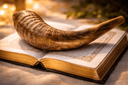
Taking this question further, if the Zohar wanted to open specifically with one of the Avot, I would still not have select Avraham. Why? Because after Aharon, the second one connected to the festival of Sukkot is Yaakov Avinu! The Tur writes (417): The festivals were established corresponding to the Avot. Pesach corresponds to Avraham, who baked loaves (matzot) for his (angelic) guests as that day was Pesach; Shavuot corresponds to Yitzchak, as the sounding of the shofar at Matan Torah was with the horn of the ram found at Akeidat Yitzchak; and Sukkot corresponds to Yaacov, as it is written: וְיַעֲקֹב נָסַע סֻכֹּתָה וַיִּבֶן לוֹ בָּיִת וּלְמִקְנֵהוּ עָשָׂה סֻכֹּת.
If so, the Zohar should have opened with Yaakov as the first of the Ushpizin. But as the Zohar nevertheless opened specifically with Avraham Avinu, it implies that Avraham Avinu has a connection with the festival of Sukkot, and the question is – where?
The sefer Ze’ev Yitraf brings the words of Chazal. The Torah says: בַּסֻּכֹּת תֵּשְׁבוּ שִׁבְעַת יָמִים כָּל הָאֶזְרָח בְּיִשְׂרָאֵל יֵשְׁבוּ בַּסֻּכֹּת, but why does the Pasuk emphasize that those sitting in the Sukkah are כָּל הָאֶזְרָח בְּיִשְׂרָאֵל – all the citizens of Israel? Why are they singled out for sitting in the Sukkah?
The Gemara says (Bava Batra 15a): אָמַר רַב: אֵיתָן הָאֶזְרָחִי זֶה הוּא אַבְרָהָם – כְּתִיב הָכָא: ״אֵיתָן הָאֶזְרָחִי״, וּכְתִיב הָתָם: ״מִי הֵעִיר מִמִּזְרָח צֶדֶק וְגוֹ׳״. Rav said: “Eitan the Ezrachi" refers to Avraham, as it is written here "Eitan the Ezrachi," and it is written there "Who has aroused from the east, righteousness..."
Ze'ev Yitraf asks another question: although Avraham is called אֵיתָן הָאֶזְרָחִי only because Hakadosh Baruch Hu awakened him to bring him from the land of Aram, which is in the east, why is he not called אֵיתָן הַמִּזְרָחִי? Why is he called אֵיתָן הָאֶזְרָחִי, with an Aleph?
I would like to approach the explanation of these matters. Soon, we will begin the Sefer of Bereshit, B’ezrat Hashem, and in Parshat Vayeira, Avraham Avinu brings three angels into his home – on the third day after his Brit Milah. Who were these angels? The Gemara says (Bava Metzia 86b) they were the angels Michael, Gavriel, and Raphael. Michael came to announce to Sarah that she’d have a child; Raphael came to heal Avraham; and Gavriel went to overturn Sedom.
The Midrash says (Bereishit Rabbah, 48:9): One of the angels appeared to him in the guise of a baker, and one appeared to him in the guise of a sailor, and one in the guise of an Arab (Ishmaelite merchant). The question arises – why did they not come in “uniform” but rather in disguise? This question is asked by the Zera Bareich, Rav Berechiah Shapira – a student of the Megaleh Amukot, and he answers based on the words of the Gemara in Massechet Sanhedrin (38b).
The Gemara says: When Hakadosh Baruch Hu sought to create man, He first created a group of ministering angels and asked them: “Do you wish that we make man in our image?” They said before Him: “Ribbono Shel Olam, what are his deeds?” He said to them: “Such and such will be his deeds.” They responded: מָה אֱנוֹשׁ כִּי־תִזְכְּרֶנּוּ וּבֶן אָדָם כִּי תִפְקְדֶנּוּ – What is man that You are mindful of him, and the son of man that You care for him?” Hakadosh Baruch Hu extended His little finger and burned them. The same thing then happened with a second group of angels. When He created the third group of angels and consulted with them, they said before Him: “Ribbono Shel Olam, what did the first angels who expressed their opinion gain? The whole world is Yours; whatever You wish to do in Your world, do!” When it came to the people of Dor HaMabul (generation of the flood) and the Dor HaPlaga (generation of the dispersion), whose deeds were corrupt, the angels said before Him: “Ribbono Shel Olam, were the first angels not correct in their claim that man is not worthy to be created?” He said: וְעַד זִקְנָה אֲנִי הוּא וְעַד שֵׂיבָה אֲנִי אֶסְבֹּל – Even to your old age I am He, and even to hoar hairs will I suffer you." The question arises – what old age is the Gemara referring to here?
The Maharsha explains the Midrash (Bereshit Rabbah 8:5), which describes what transpired when Hakadosh Baruch Hu came to create man. The ministering angels formed groups and factions: some said, “Let him not be created,” while others said, “Let him be created.” As it is written in Tehillim (85:11): חֶסֶד וֶאֱמֶת נִפְגָּשׁוּ צֶדֶק וְשָׁלוֹם נָשָׁקוּ – Kindness and truth met; righteousness and peace kissed. Chesed said, “Let him be created, for he will perform acts of kindness.” Emet said, “Let him not be created, for he is full of lies.” Tzedek said, “Let him be created, for he will do acts of righteousness.” And Shalom said, “Let him not be created, for he is full of strife.” What did Hakadosh Baruch Hu do? He cast Emet to the ground, as it is written: וְתַשְׁלֵךְ אֱמֶת אַרְצָה – And You cast truth to the ground.
The angels protested: “Ribbono Shel Olam, how can You disgrace Your own seal, Emet?” To which the response was: אֱמֶת מֵאֶרֶץ תִּצְמָח – Truth shall sprout from the earth.
The Maharsha elaborates: these groups of angels looked not only at Adam himself, but at the generations that would descend from him – Enosh, who led the world to idolatry; Kayin, who killed Hevel. Seeing this, they argued that man is filled with lies and strife. In response, Hakadosh Baruch Hu extended His “finger” among them – namely, the attributes with which He created the world. Specifically, He drew forth the attribute of Chesed, for עוֹלַם חֶסֶד יִבָּנֶה – the world is built on Chesed, and with it He silenced their protests and created man.
Yet their objections did not cease. At the time of the Flood, when humanity was steeped in corruption and strife, and again at the Dispersion, when humanity was full of falsehood, the angels said: “Did not Emet and Shalom speak rightly when they opposed man’s creation?” Hakadosh Baruch Hu replied: וְעַד זִקְנָה אֲנִי הוּא וְעַד שֵׂיבָה אֲנִי אֶסְבֹּל – Until old age, I am He; until gray hairs, I will bear” – meaning, until the day of Matan Torah I will carry these complaints. There, at Sinai, the answer would be revealed. Indeed, when the Torah was given, the angels once again questioned: “What is man, that You are mindful of him?” But Hakadosh Baruch Hu told Moshe: “Hold onto My throne of glory and return them an answer.” Moshe replied: “What is written in this Torah? ‘I am Hashem your G-d,’ ‘Remember the Shabbat,’ ‘Do not murder’... This Torah is the very purpose for which man was created – for only man can uphold it.” Thus, the creation of man was justified from the beginning, for his destiny was to receive and fulfill the Torah.
The moment Hakadosh Baruch Hu cast Emet to the ground, it is said: אֱמֶת מֵאֶרֶץ תִּצְמָח – that Hakadosh Baruch Hu is destined to bring forth the Torah that will bring Truth to the world. When?! At Ma’amad Har Sinai!
The sefer Zera Bareich, interprets the Pasuk וְעַד זִקְנָה אֲנִי הוּא differently than the Maharsha. They explain that Hakadosh Baruch Hu was not speaking of Matan Torah, but rather of Avraham Avinu, the first man of whom old age is mentioned: וְאַבְרָהָם זָקֵן בָּא בַּיָמִים – Avraham was old, advanced in years. Until Avraham, signs of old age did not exist. Because Avraham and Yitzchak looked alike, people confused father and son, and Avraham prayed that visible old age should be given to him so that each could be distinguished. From then on, זִקְנָה became part of the human condition. Thus, Hakadosh Baruch Hu told the angels: “Wait until Avraham, the one associated with זִקְנָה, and you will see that the creation of man was worthwhile.”
The Zera Bareich adds further depth. The appearance of the three angels who visited Avraham in Parshat Vayeira hinted at this very truth. Chazal teach that the world is divided into three parts: שְׁלִישׁ יִשּׁוּב שְׁלִישׁ יָם וּשְׁלִישׁ מִדְבָּר – one settled, one sea, and one desert. The angels appeared in three guises – a sailor, representing the seas; a baker, representing settled land and sustenance; and an Arab merchant, representing the desert. In this way they retracted their original argument at creation, acknowledging that Avraham’s merit justified the existence of all three parts of the world. For just as they once said, “What is man, that You are mindful of him?” Hakadosh Baruch Hu answered them: “I will show you the honor of Avraham.” When they saw his devotion, his circumcision, and his readiness for the Akeidah, they conceded that the world indeed stood upon him. Thus, the angels who opposed man’s creation came, in the end, to honor Avraham, and through him confirmed the justice of creation itself.
If so, it emerges that the entire purpose of Creation was for Avraham Avinu. When did the angels visit his tent? Rashi explains that it was on Pesach. What is his proof? When the angels came to Lot, we read: וַיַּעַשׂ לָהֶם מִשְׁתֶּה וּמַצּוֹת אָפָה וַיֹּאכֵלוּ – He made them a feast, and he baked matzot, and they ate. The Siftei Chachamim elaborates on Rashi’s reasoning. How do we know it was Pesach? Because the very next year Yitzchak was born, and the Torah tells us in Parshat Bo that Bnei Yisrael left Egypt “at the end of four hundred and thirty years, on that very day.” Rashi explains that the four hundred years of exile began from the day Yitzchak was born, when Avraham had offspring, and they ended precisely on that same date. Since Yetziat Mitzraim took place on the 15th of Nissan, the first day of Pesach, it follows that Yitzchak too was born on Pesach. Therefore, the angels’ visit and the announcement of his birth must have taken place on Pesach.
The Gemara (Rosh Hashanah 11a) challenges this assumption. The Pasuk states: כָּעֵת חַי לַמּוֹעֵד אָשׁוּב אֵלֶיךָ וּלְשָׂרָה בֵן – At the appointed time I will return to you, at this time next year, and Sarah will have a son. The Gemara interprets לַמּוֹעֵד to mean “at the next upcoming festival.” But at which festival was the prophecy given? It cannot have been Pesach, for then the promise would have been for Shavuot, leaving only fifty days for conception and birth – an impossibility. Nor can it have been Shavuot, for then the promise would have been for Sukkot, leaving only five months – still too short. Rather, the prophecy was given at Sukkot, and the appointed time was Pesach of the following year. This allowed for six months between promise and fulfillment. The Gemara discusses this timing, with various calculations and adjustments, including a leap year’s extra month, to demonstrate how the timeframe was indeed possible – all to confirm that Yitzchak was indeed born on Pesach.
If so, it emerges that Avraham Avinu hosted the angels in his house – on Sukkot! The Midrash says (Bereshit Rabbah, 48:10):
Hakadosh Baruch Hu said to Avraham: "You said, 'Let a little water be taken.' By your life, I will repay your descendants in the desert, in settlement, and in the future." As it is written: "Then Israel sang this song: 'Spring up, O well–sing to it,'" which refers to the desert. In the land of Canaan, from where? As it is written: "A land of streams of water, of springs and underground water flowing out in the valley and hill." In the future, from where? As it is written: "On that day, living waters will flow out from Jerusalem." You said, "And wash your feet." By your life, I will repay your descendants in the desert, in settlement, and in the future. In the desert, from where? As it is said: "Then I washed you with water." In settlement, from where? As it is said: "Wash yourselves, make yourselves clean." In the future, from where? As it is said: "When Hashem has washed away the filth of the daughters of Zion." You said, "And rest under the tree." By your life, I will repay your descendants in the desert, etc., as it is said: "He spread a cloud for a covering," which refers to the desert. In the land, from where?: "You shall dwell in booths for seven days." In the future, from where? As it is said: "And there will be a booth for shade by day from the heat."
This means that we merited the Mitzvah of Sukkah because of the hospitality of the angels in Avraham Avinu's house – that he seated them in a Sukkah: וְהִשָּׁעֲנוּ תַּחַת הָעֵץ. Similarly, it is brought in Bamidbar Rabbah (14:2):
Regarding Avraham, it is written: "and rest yourselves under the tree," indicating that he made a shelter for them. Similarly, Hakadosh Baruch Hu made shelters for His children when they left Egypt, as it is written: "For I made the children of Israel dwell in booths, etc."
The question arises – if it was indeed on Sukkot, why did Avraham Avinu not also sit in a Sukkah? We’re told he only sat sitting at the entrance of the tent: וְהוּא יֹשֵׁב פֶּתַח הָאֹהֶל. HaGaon Rav Chaim Kanievsky explains in his sefer Taama de'Kra. When Avraham sat at the tent’s entrance, we’re told it was כְּחֹם הַיּוֹם – at the heat of the day; he was distressed in the Sukkah due to the heat and therefore exempt. It’s possible that the entrance of the tent was not so hot, and therefore he sat there. It is further stated that he was briefly serving men in the midst of their journey – וְסַעֲדוּ לִבְּכֶם אַחַר תַּעֲבֹרוּ – and while travelers are exempt from Sukkah, it is explained that if a Sukkah is available without difficulty, one is nonetheless obligated. Thus, he said כִּי־עַל־כֵּן עֲבַרְתֶּם עַל־עַבְדְּכֶם – meaning, they have passed by Avraham and a Sukkah was provided to them without difficulty.
A story is told of a guest who arrived at the home of the Gaon, Rav Chaim Ozer Grodzensky, during the festival of Sukkot. Rav Chaim Ozer invited him to partake in a meal and apologized, saying, "Please go down to eat in my sukkah in the courtyard, while I must remain indoors, as I am ill and exempt from the sukkah." The guest did as he was told, and the household prepared a full meal for him. Suddenly, he noticed the rav had made the effort to come down from the second floor to the sukkah in his honor. The guest was astonished, but Rav Chaim Ozer explained in his usual manner, "It occurred to me that one who is suffering is exempt only from the Mitzvah of sukkah, not from the Mitzvah of hospitality, as Avraham Avinu fulfilled it even when he was ill and in pain. It is not fitting for my guest to sit alone in the sukkah while I remain inside the house."
With this, we can now understand the words of the Vilna Gaon. During the festival of Sukkot, he sat and asked his guests, "From where do we know that Avraham Avinu sat in a sukkah?” He went on to inform them it was learned from the Pasuk וַה' בֵּרַךְ אֶת אַבְרָהָם בַּכֹּל – and Hashem had blessed Avraham in all things. Those who heard the words of the Gra were puzzled, and he explained: בַּכֹּל is an acronym for: בַּסֻּכֹּת תֵּשְׁבוּ שִׁבְעַת יָמִים כָּל הָאֶזְרָח בְּיִשְׂרָאֵל יֵשְׁבוּ בַּסֻּכֹּת לְמַעַן יֵדְעוּ דֹרֹתֵיכֶם כִּי בַסֻּכּוֹת הוֹשַׁבְתִּי אֶת בְּנֵי יִשְׂרָאֵל
If so, Besiyata Dishmaya, we have another wonderful explanation on how we received the Mitzvah of sukkah thanks to Avraham Avinu!
Ze'ev Yitraf brings the words of the Gemara (Shabbat 127b): אָמַר רַב יְהוּדָה בַּר שֵׁילָא אָמַר רַבִּי אַסִּי אָמַר רַבִּי יוֹחָנָן: שִׁשָּׁה דְּבָרִים אָדָם אוֹכֵל פֵּירוֹתֵיהֶן בָּעוֹלָם הַזֶּה וְהַקֶּרֶן קַיֶּמֶת לוֹ לָעוֹלָם הַבָּא, וְאֵלּוּ הֵן: הַכְנָסַת אוֹרְחִין, וּבִיקּוּר חוֹלִים, וְעִיוּן תְּפִלָּה, וּהַשְׁכָּמַת בֵּית הַמִּדְרָשׁ, וְהַמְגַדֵּל בָּנָיו לְתַלְמוּד תּוֹרָה, וְהַדָּן אֶת חֲבֵרוֹ לְכַף זְכוּת.
Rabbi Yehuda bar Sheila said in the name of Rabbi Assi, who said in the name of Rabbi Yochanan: There are six things for which a person enjoys the fruits in this world, while the principal remains for them in the World to Come. They are: hospitality to guests, visiting the sick, devotion in prayer, rising early to the study hall, raising one's children to study Torah, and judging others favorably.
Ze'ev Yitraf says, it mentions six things because גְּמִילוּת חֶסֶד – acts of kindness, are the head of six; and six branches then emerge from it. הַכְנָסַת אוֹרְחִין – hospitality, is the first, because it is the attribute of Avraham Avinu. He says, in his humble opinion, this is what is being presented to us in the Zohar.
At the time when a woman sits in this dwelling, the shadow of faith, the Shechinah spreads its wings over her from above, and Avraham and five other righteous ones make their dwelling with her.
The Zohar, as explained by Ze’ev Yitraf, teaches that the “shade of faith” of the sukkah – the צִלָּא דִּמְהֵימְנוּתָא – rests only upon those who practice kindness. When Klal Yisrael enter their sukkot, their dwellings become like the head of six branches of chesed, led by Avraham Avinu together with five other righteous figures.
Avraham, described as אֶזְרָח – citizen, and hinted at in the words אֵלֶף זָרַח – the radiant Aleph, stands at the head of the attribute of Chesed and is the first of six branches that extend from it. He is the model of hospitality, as the Torah tells us that he planted an אֶשֶׁל in Be’er Sheva – interpreted by Chazal as an acronym for אֲכִילָה שְׁתִיָּה וִלְוָיָה (eating, drinking, and escorting) – symbolizing his lifelong dedication to welcoming guests and providing for travelers.
Alongside Avraham’s branch of hospitality, five other branches of kindness and goodness are represented by the remaining Ushpizin, each embodying a different expression of chesed:
- Yitzchak: The power of Iyun Tefillah (contemplation in prayer), as it is written: וְיֵעָתֵר יִצְחָק.
- Yaakov: The raising of children to Torah study, for he redeemed Avraham from the agony of child-raising and nurtured the tribes in the ways of Torah.
- Moshe Rabbeinu: Rising early to the Beit Midrash, as the Torah recounts: וַיַּשְׁכֵּם מֹשֶׁה בַבֹּקֶר וַיַּעַל אֶל הַר סִינַי, teaching that all of Moshe’s ascents were marked by eagerness and devotion.
- Aharon HaKohen: Judging one’s fellow favorably, for as the lover and pursuer of peace, he would bring harmony between people.
- Yosef HaTzaddik: Visiting the sick, as the Gemara (Bava Metzia 87a) teaches that illness first entered the world with Yaakov, and when Yosef was told his father was ill, he fulfilled the Mitzvah by bringing his sons Menashe and Ephraim to visit.
Thus, together with Avraham, these five righteous leaders form six branches of chesed that converge in the sukkah, surrounding us with the light of kindness and the presence of the Ushpizin.
With these learnings, I would like to conclude with a wonderful idea from Rav Nosson Meir Wachtfogel