The Reality of Gilgulim and Tzadik vRa lo Rasha vTov lo
Parsha Pages | September 19, 2023
Print This Article
View Original PDF

The Reality of Gilgulim and Tzadik vRa lo Rasha vTov lo

Parsha Pages | December 31, 2025

The classic issue of the righteous who appear to suffer and the wicked who seem to prosper.

Gilgulim – Part 5 – JewishClarity.com by Rabbi Asher Resnick

ד הַצּוּר תָּמִים פָּעֳלוֹ, {ס} כִי כָּל-דְּרָּכָּיו מִשְּפָּט: {ר} א -ל אֱמוּנָּה וְּא ין עָּוֶל, }ס{ צַדִיק וְּיָּשָּר הוּא. {ר}
4 The Rock, His work is perfect; for all His ways are justice; a G-d of faithfulness and without iniquity, just and right is He.

A.

The Bahir, a medrash attributed to the first century sage, Rebbe Nechuniah ben Hakanah and quoted by Rabbeinu Bachya(Devarim25:9), used reincarnation to address the classic question of theodicy — Why bad things happen to good people, and vice versa:

Why is there a righteous person to whom good things happen, while [another] righteous person has bad things happen to him? This is because the [latter] righteous person did bad in a previous [life], and is now experiencing the consequences. What is this like? A person planted a vineyard and hoped to grow grapes, but instead, sour grapes grew... When he saw that his planting was not successful, he tore it up and planted it again. (Bahir 195).

B.

The Ramban explains the topic of Tzadik v’Ra lo, Rasha v’Tov lo at length, and how the approach of gilgulei neshamotgives a complete answer to this issue. He wrote: There is a matter which pains the hearts and anguishes the thoughts, and it alone has drawn masses in all of the generations to complete heresy. It is the perception of warped justice and Tzadik v’Ra lo, Rasha v’Tov loin the world. People will ask — Why is the path of these [evil] people smooth [and easy], and why do these righteous appear to be lost?

An entire book was devoted to it called Sefer Iyov. It was written because this matter goes to the root of emunah and the foundation of the Torah. There in the book, Iyov is asking all that is difficult emotionally with this issue, and he needs a complete answer.

While the Ramban writes that it is possible to explain every case of tzadik v’ra lo as having a few aveirot, and every example of rasha v’tov lo as involving a few ma’asim tovim (good deeds), Sefer Iyov is not dealing with these types of situations. It is rather presenting Iyov as a tzadik gammur (completely righteous person) without any transgressions, and where the difficulties [seem to] have come upon him for no reason. In fact, his Creator testifies about Iyov that there is no person like him in the entire world, a simple and straight G-d fearing person who turned away from evil.

In order to resolve the question of Tzadik v’Ra lo, Rasha v’Tov lo with a tzadik gammur [like Iyov] who never transgressed, the Ramban explains: In this matter there is a great secret among the secrets of the Torah...which was given over to the experts of Torah and the Kabalah. Included within this is the Sod Ha’Ibur (i.e., gilgulei neshamot) which the Sages passed down to their reliable students. And this is [actually] the answer which Elihu gives [to address] the complaints of Iyov.

From the time that Iyov heard these words of Elihu he did not open his mouth to respond. This shows that [Iyov] accepted his words, and this approach was satisfactory for his questions, since he received it with silence. As a result, Iyov felt regret, and returned to his Creator in teshuva, since he understood from the words of Elihu that what he said to him was proper and acceptable. And it is the ultimate grasp that a person can have with
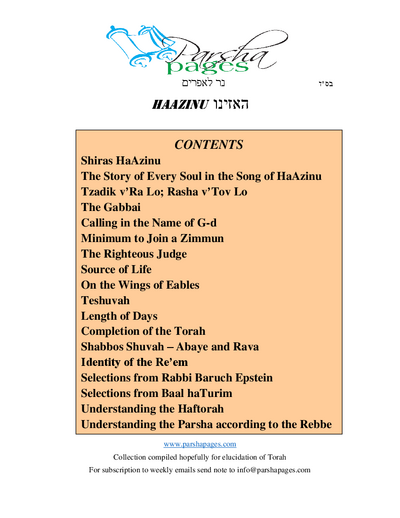
The classic issue of the righteous who appear to suffer and the wicked who seem to prosper.

Gilgulim – Part 5 – JewishClarity.com by Rabbi Asher Resnick

ד הַצּוּר תָּמִים פָּעֳלוֹ, {ס} כִי כָּל-דְּרָּכָּיו מִשְּפָּט: {ר} א -ל אֱמוּנָּה וְּא ין עָּוֶל, }ס{ צַדִיק וְּיָּשָּר הוּא. {ר}
4 The Rock, His work is perfect; for all His ways are justice; a G-d of faithfulness and without iniquity, just and right is He.

A.

The Bahir, a medrash attributed to the first century sage, Rebbe Nechuniah ben Hakanah and quoted by Rabbeinu Bachya(Devarim25:9), used reincarnation to address the classic question of theodicy — Why bad things happen to good people, and vice versa:

Why is there a righteous person to whom good things happen, while [another] righteous person has bad things happen to him? This is because the [latter] righteous person did bad in a previous [life], and is now experiencing the consequences. What is this like? A person planted a vineyard and hoped to grow grapes, but instead, sour grapes grew... When he saw that his planting was not successful, he tore it up and planted it again. (Bahir 195).

B.

The Ramban explains the topic of Tzadik v’Ra lo, Rasha v’Tov lo at length, and how the approach of gilgulei neshamotgives a complete answer to this issue. He wrote: There is a matter which pains the hearts and anguishes the thoughts, and it alone has drawn masses in all of the generations to complete heresy. It is the perception of warped justice and Tzadik v’Ra lo, Rasha v’Tov loin the world. People will ask — Why is the path of these [evil] people smooth [and easy], and why do these righteous appear to be lost?

An entire book was devoted to it called Sefer Iyov. It was written because this matter goes to the root of emunah and the foundation of the Torah. There in the book, Iyov is asking all that is difficult emotionally with this issue, and he needs a complete answer.

While the Ramban writes that it is possible to explain every case of tzadik v’ra lo as having a few aveirot, and every example of rasha v’tov lo as involving a few ma’asim tovim (good deeds), Sefer Iyov is not dealing with these types of situations. It is rather presenting Iyov as a tzadik gammur (completely righteous person) without any transgressions, and where the difficulties [seem to] have come upon him for no reason. In fact, his Creator testifies about Iyov that there is no person like him in the entire world, a simple and straight G-d fearing person who turned away from evil.

In order to resolve the question of Tzadik v’Ra lo, Rasha v’Tov lo with a tzadik gammur [like Iyov] who never transgressed, the Ramban explains: In this matter there is a great secret among the secrets of the Torah...which was given over to the experts of Torah and the Kabalah. Included within this is the Sod Ha’Ibur (i.e., gilgulei neshamot) which the Sages passed down to their reliable students. And this is [actually] the answer which Elihu gives [to address] the complaints of Iyov.

From the time that Iyov heard these words of Elihu he did not open his mouth to respond. This shows that [Iyov] accepted his words, and this approach was satisfactory for his questions, since he received it with silence. As a result, Iyov felt regret, and returned to his Creator in teshuva, since he understood from the words of Elihu that what he said to him was proper and acceptable. And it is the ultimate grasp that a person can have with

PDF Preview