Symbolic Foods of Rosh Hashanah
Parsha Halacha | September 13, 2025
Print This Article
View Original PDF

Symbolic Foods of Rosh Hashanah

Parsha Halacha | December 10, 2025

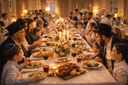
We eat the head of a fish (or other kosher animal) as a symbol that we should be a head and not a tail. Some eat the head of a ram to invoke the merit of the Akeidah - the binding of Isaac. The text (for those that recite it) is: יְהִי רָצוֹן מִלְפָנֶיךָ שֶנִהְיֶה לְרֹאשׁ וְלֹא לְזָנָבָ, - “May it be Your will that we be a head and not a tail.”

Fish
We eat fish as a symbol that we should be fruitful and multiply like fish. (Some don’t eat fish on Rosh Hashanah as the word for fish [דג] is similar to the word for worry [דאגה].) The text (for those that recite it) is: יְהִי רָצוֹן מִלְפָנֶיךָ שֶנִפרֶה וְנִרְבֶה כְדָגִים , - “May it be Your will that we be fruitful and multiply like fish.”

Carrots
Ashkenazim eat carrots as the word for carrots in Yiddish is merrin which also means “to increase” (i.e., to be fruitful and multiply, both in terms of family and in terms of good deeds). The accompanying prayer (for those that say it) is יְהִי רָצוֹן מִלְפָנֶיךָ הּ׳ אֱלֹקֵינוּ וֵאלֵֹקֵי אֲבוֹתֵינוּ שֶׁיִרבוּ זְכוּיוֹתֵנוּ, which means, “May it be Your will, L-rd our G-d and the G-d of our fathers, that our merits increase.” Some say: יְהִי רָצוֹן מִלְפָנֶיךָ שתגזור עלינו גזירות טובות וגם שייגזרו אויבינו, - “May it be Your will that You decree upon us good decrees and that our enemies be cut off.” (The Hebrew word for carrot is גֶזֶר)

Leeks
In Hebrew, the word for leeks is karti, signifying that our enemies should be cut off. Those that recite a prayer should say יְהִי רָצוֹן מִלְפָנֶיךָ הּ אֱלֹקֵינוּ וֵאלֵֹקֵי אֲבוֹתֵינוּ, שֶׁיִּכָרְתוּ אוֹיְבֵינוּ וְשׂוֹנְאֵינוּ וְכָל מְבַקְשֵׁי רָעָתֵנוּ which means “May it be Your will, L-rd our G-d and the G-d of our fathers, that our enemies, haters, and those who wish evil upon us shall be cut down.”

Dates
The word for date, tamar, also means to finish off (tam). This symbolizes that our enemies should be finished off. Those who say a prayer recite יְהִי רָצוֹן מִלְפָנֶיךָ ה' אֱלֹקַינוּ וֵאלֵֹקֵי אֲבוֹתֵינוּ, שֶׁיִּתַמּוּ אוֹיְבֵינוּ וְשׂוֹנְאֵינוּ וְכָל מְבַקְשֵׁי רָעָתֵנוּ which means “May it be Your will, L-rd our G-d and the G-d of our fathers, that there come an end to our enemies, haters, and those who wish evil upon us.”

Beets
Selek means beets as well as “remove.” This symbolizes that our foes should be removed. Those that say the prayers should add יְהִי רָצוֹן מִלְפָנֶיךָ הּ אֱלֹקֵינוּ וֵאלֵֹקֵי אֲבוֹתֵינוּ, שֶׁיִּסְתַלְקוּ אוֹיְבֵינוּ וְשׂוֹנְאֵינוּ וְכָל מְ בַקְשֵׁי רָעָתֵנוּ which means May it be Your will, L-rd our G-d and the G-d of our fathers, that our enemies, haters and those who seek to do evil to us shall depart.

Pumpkin
The word for pumpkin in Hebrew is kra indicating that our bad decrees should be torn up and our merits be read in front of Hashem (kra with an alef [קרא] means “read” while kera with an ayin [קרע] means “tear”). One who has the custom to say these prayers should say, יְהִי רָצוֹן מִלְפָנֶיךָ הּ אֱלֹקֵינוּ וֵאלֵֹקֵי אֲבוֹתֵינוּ, שֶׁ תִקְרַע רוֹעַ גְזַר דִינֵנוּ, וְיִקָרְאוּ לְפָנֶיךָ זָכִיּוֹתֵינוּ which means May it be Your will, Lord our G-d and the G-d of our fathers, that the evil of our verdicts be ripped, and that our merits be announced before You.

Spinach
Some say that the “silka” of the Talmud, which is normally translated as beets, actually means cooked spinach, because the Arabic term for the spinach was “salk.” Those that say the prayers should add יְהִי רָצוֹן מִלְפָנֶיךָ הּ אֱלֹקֵינוּ וֵאלֵֹקֵי אֲבוֹתֵינוּ, שֶׁיִּסְתַלְקוּ אוֹיְבֵינוּ וְשׂוֹנְאֵינוּ וְכָל מְבַקְשֵׁי רָעָתֵנוּ which means May it be Your will, L-rd our G-d and the G-d of our fathers, that our enemies, haters and those who seek to do evil to us shall depart.

Fenugreek
Fenugreek is called rubia in Aramaic. We are asking that G-d increase our merits (rov means many.) One who has the custom to say these prayers should say, יְהִי רָצוֹן מִלְפָנֶיךָ ה׳ אֱלֹקֵינוּ וֵאלֵֹקֵי אֲבוֹתֵינוּ שֶׁיִּרְבוּ זָכִיּוֹתֵינוּ which means “May it be Your will, L-rd our G-d and the G-d of our fathers, that our merits shall increase.”

Black Eyed Peas
The Arabic term for black eyed peas was “lubia,” pronounced similar to “rubia,” which means to increase. One who has the custom to say these prayers should say: יְהִי רָצוֹן מִלְפָנֶיךָ ה׳ אֱלֹקֵינוּ וֵאלֵֹקֵי אֲבוֹתֵינוּ שּׁתְלַבְבֵנוּ which means “May it be Your will, L-rd our G-d and the G-d of our fathers, that You hearten us.”

We eat the head of a fish (or other kosher animal) as a symbol that we should be a head and not a tail. Some eat the head of a ram to invoke the merit of the Akeidah - the binding of Isaac. The text (for those that recite it) is: יְהִי רָצוֹן מִלְפָנֶיךָ שֶנִהְיֶה לְרֹאשׁ וְלֹא לְזָנָבָ, - “May it be Your will that we be a head and not a tail.”

Fish
We eat fish as a symbol that we should be fruitful and multiply like fish. (Some don’t eat fish on Rosh Hashanah as the word for fish [דג] is similar to the word for worry [דאגה].) The text (for those that recite it) is: יְהִי רָצוֹן מִלְפָנֶיךָ שֶנִפרֶה וְנִרְבֶה כְדָגִים , - “May it be Your will that we be fruitful and multiply like fish.”

Carrots
Ashkenazim eat carrots as the word for carrots in Yiddish is merrin which also means “to increase” (i.e., to be fruitful and multiply, both in terms of family and in terms of good deeds). The accompanying prayer (for those that say it) is יְהִי רָצוֹן מִלְפָנֶיךָ הּ׳ אֱלֹקֵינוּ וֵאלֵֹקֵי אֲבוֹתֵינוּ שֶׁיִרבוּ זְכוּיוֹתֵנוּ, which means, “May it be Your will, L-rd our G-d and the G-d of our fathers, that our merits increase.” Some say: יְהִי רָצוֹן מִלְפָנֶיךָ שתגזור עלינו גזירות טובות וגם שייגזרו אויבינו, - “May it be Your will that You decree upon us good decrees and that our enemies be cut off.” (The Hebrew word for carrot is גֶזֶר)

Leeks
In Hebrew, the word for leeks is karti, signifying that our enemies should be cut off. Those that recite a prayer should say יְהִי רָצוֹן מִלְפָנֶיךָ הּ אֱלֹקֵינוּ וֵאלֵֹקֵי אֲבוֹתֵינוּ, שֶׁיִּכָרְתוּ אוֹיְבֵינוּ וְשׂוֹנְאֵינוּ וְכָל מְבַקְשֵׁי רָעָתֵנוּ which means “May it be Your will, L-rd our G-d and the G-d of our fathers, that our enemies, haters, and those who wish evil upon us shall be cut down.”

Dates
The word for date, tamar, also means to finish off (tam). This symbolizes that our enemies should be finished off. Those who say a prayer recite יְהִי רָצוֹן מִלְפָנֶיךָ ה' אֱלֹקַינוּ וֵאלֵֹקֵי אֲבוֹתֵינוּ, שֶׁיִּתַמּוּ אוֹיְבֵינוּ וְשׂוֹנְאֵינוּ וְכָל מְבַקְשֵׁי רָעָתֵנוּ which means “May it be Your will, L-rd our G-d and the G-d of our fathers, that there come an end to our enemies, haters, and those who wish evil upon us.”

Beets
Selek means beets as well as “remove.” This symbolizes that our foes should be removed. Those that say the prayers should add יְהִי רָצוֹן מִלְפָנֶיךָ הּ אֱלֹקֵינוּ וֵאלֵֹקֵי אֲבוֹתֵינוּ, שֶׁיִּסְתַלְקוּ אוֹיְבֵינוּ וְשׂוֹנְאֵינוּ וְכָל מְ בַקְשֵׁי רָעָתֵנוּ which means May it be Your will, L-rd our G-d and the G-d of our fathers, that our enemies, haters and those who seek to do evil to us shall depart.

Pumpkin
The word for pumpkin in Hebrew is kra indicating that our bad decrees should be torn up and our merits be read in front of Hashem (kra with an alef [קרא] means “read” while kera with an ayin [קרע] means “tear”). One who has the custom to say these prayers should say, יְהִי רָצוֹן מִלְפָנֶיךָ הּ אֱלֹקֵינוּ וֵאלֵֹקֵי אֲבוֹתֵינוּ, שֶׁ תִקְרַע רוֹעַ גְזַר דִינֵנוּ, וְיִקָרְאוּ לְפָנֶיךָ זָכִיּוֹתֵינוּ which means May it be Your will, Lord our G-d and the G-d of our fathers, that the evil of our verdicts be ripped, and that our merits be announced before You.

Spinach
Some say that the “silka” of the Talmud, which is normally translated as beets, actually means cooked spinach, because the Arabic term for the spinach was “salk.” Those that say the prayers should add יְהִי רָצוֹן מִלְפָנֶיךָ הּ אֱלֹקֵינוּ וֵאלֵֹקֵי אֲבוֹתֵינוּ, שֶׁיִּסְתַלְקוּ אוֹיְבֵינוּ וְשׂוֹנְאֵינוּ וְכָל מְבַקְשֵׁי רָעָתֵנוּ which means May it be Your will, L-rd our G-d and the G-d of our fathers, that our enemies, haters and those who seek to do evil to us shall depart.

Fenugreek
Fenugreek is called rubia in Aramaic. We are asking that G-d increase our merits (rov means many.) One who has the custom to say these prayers should say, יְהִי רָצוֹן מִלְפָנֶיךָ ה׳ אֱלֹקֵינוּ וֵאלֵֹקֵי אֲבוֹתֵינוּ שֶׁיִּרְבוּ זָכִיּוֹתֵינוּ which means “May it be Your will, L-rd our G-d and the G-d of our fathers, that our merits shall increase.”

Black Eyed Peas
The Arabic term for black eyed peas was “lubia,” pronounced similar to “rubia,” which means to increase. One who has the custom to say these prayers should say: יְהִי רָצוֹן מִלְפָנֶיךָ ה׳ אֱלֹקֵינוּ וֵאלֵֹקֵי אֲבוֹתֵינוּ שּׁתְלַבְבֵנוּ which means “May it be Your will, L-rd our G-d and the G-d of our fathers, that You hearten us.”

PDF Preview