The Thirteen Attributes of G-d
Parsha Pages | March 12, 2025
Print This Article
View Original PDF

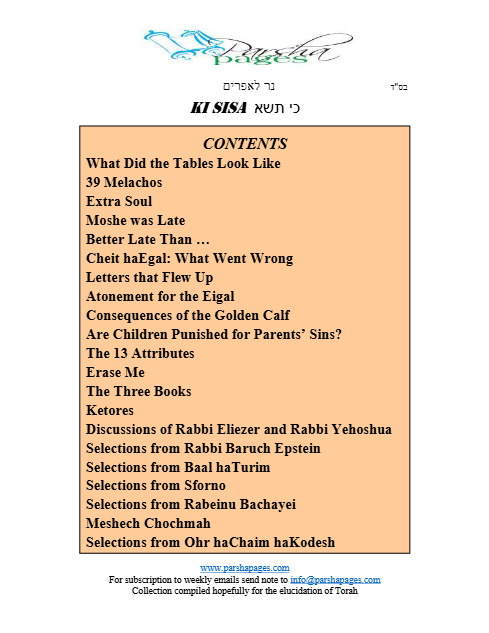
The Thirteen Attributes of G-d

Parsha Pages | June 27, 2025

ACTIONS EMANATING FROM THE DIVINE PROVIDENCE

Shmos 34:6-7 HaShem, HaShem, E-l, Compassionate and Gracious, Slow to Anger, and Abundant in Kindness and Truth; Preserver of Kindness for thousands of generations, Forgiver of Iniquity, Willful Sin, and Error, and Who Cleanses...

Question: “Midah” (attributes) indicates a measured amount. How then do we understand the 13 Middos of HaShem where are above limits?

Answer: HaShem the Infinite One, only connects to this world through channels. In essence, the aspect of limitless needs to be placed with limits in order to be received.

There exists five major opinions on the method of counting the 13 Attributes (per the table below: Rabeinu Tam; R. Nisim Gaon; Arizal; Sefer Chasidim; Abarbanel).

Further, we have two major opinions on the grouping of the 13 Attributes, reflecting the source within the Creation of these Attributes.

  • Rabbi Hai Gaon (elaborated by R’ Bachye):
    Middos reflect the Sefiros (lights of HaShem) of Atzilus (which are united with HaShem)
    Grouping of three higher levels (reflecting the essence prior to Atzilus which empowered Creation) and the 10 levels of Sefiros (which effect G-dliness into the Creation).
  • Pardes (elaborated by the Rebbe Reshab):
    Grouping of first six and last six pointing to the essential middle Attribute (Emes).

Midah means a measured amount, which indicates a concentration and focus of the Ein Sof of Mercy into a deliverable package. Model provided for this concept is the connection between the human brain and hair. Hair is considered to be an outcome of the brain, but removed, like the individual in this world is able to receive mercy from the Infinite One.

Rosh HaShanah 17 states that everyone who properly understands these Thirteen Attributes and invokes them in his prayers meticulously will never experience that his prayers went totally unheard, that the people who invoke them will not return empty-handed from their prayer. The only reason that one's prayer would go unheard would be certain specific sins which are not subject to G-d's forgiveness.

In our times, when we are bereft of the Kohanim (priest), the Holy Temple, the Altar and the sacrifices, all of which were meant to assure us of atonement for our sins, the only thing left for us with which to appeal to G-d are our personal prayers and the invoking of these Thirteen Attributes (nuances) of G-d's Mercy. By knowing of these Thirteen Attributes of Mercy our Sages were able to properly edit our prayers so that they will enjoy maximum effectiveness.

The applicable source for saying aloud the 13 Attributes is from Berachos 32a. The Gemara asks why the verse (in the saying of the 13 Attributes) begins ויחל משה (and not that Moshe prayed). The word יחל teaches that Moshe stood up and prayed until the point that he reached אחילו, which means the fiery essence. And when a person feels a burning heart one raises one’s voice and cries out. Thus, Moshe raised his voice when he said the initial 13 Attributes. Thus, when we wish to call out for mercy we attempt to emulate Moshe and also say also the 13 Attributes. (Baruch She’Amar)
ACTIONS EMANATING FROM THE DIVINE PROVIDENCE

Shmos 34:6-7 HaShem, HaShem, E-l, Compassionate and Gracious, Slow to Anger, and Abundant in Kindness and Truth; Preserver of Kindness for thousands of generations, Forgiver of Iniquity, Willful Sin, and Error, and Who Cleanses...

Question: “Midah” (attributes) indicates a measured amount. How then do we understand the 13 Middos of HaShem where are above limits?

Answer: HaShem the Infinite One, only connects to this world through channels. In essence, the aspect of limitless needs to be placed with limits in order to be received.

There exists five major opinions on the method of counting the 13 Attributes (per the table below: Rabeinu Tam; R. Nisim Gaon; Arizal; Sefer Chasidim; Abarbanel).

Further, we have two major opinions on the grouping of the 13 Attributes, reflecting the source within the Creation of these Attributes.

  • Rabbi Hai Gaon (elaborated by R’ Bachye):
    Middos reflect the Sefiros (lights of HaShem) of Atzilus (which are united with HaShem)
    Grouping of three higher levels (reflecting the essence prior to Atzilus which empowered Creation) and the 10 levels of Sefiros (which effect G-dliness into the Creation).
  • Pardes (elaborated by the Rebbe Reshab):
    Grouping of first six and last six pointing to the essential middle Attribute (Emes).

Midah means a measured amount, which indicates a concentration and focus of the Ein Sof of Mercy into a deliverable package. Model provided for this concept is the connection between the human brain and hair. Hair is considered to be an outcome of the brain, but removed, like the individual in this world is able to receive mercy from the Infinite One.

Rosh HaShanah 17 states that everyone who properly understands these Thirteen Attributes and invokes them in his prayers meticulously will never experience that his prayers went totally unheard, that the people who invoke them will not return empty-handed from their prayer. The only reason that one's prayer would go unheard would be certain specific sins which are not subject to G-d's forgiveness.

In our times, when we are bereft of the Kohanim (priest), the Holy Temple, the Altar and the sacrifices, all of which were meant to assure us of atonement for our sins, the only thing left for us with which to appeal to G-d are our personal prayers and the invoking of these Thirteen Attributes (nuances) of G-d's Mercy. By knowing of these Thirteen Attributes of Mercy our Sages were able to properly edit our prayers so that they will enjoy maximum effectiveness.

The applicable source for saying aloud the 13 Attributes is from Berachos 32a. The Gemara asks why the verse (in the saying of the 13 Attributes) begins ויחל משה (and not that Moshe prayed). The word יחל teaches that Moshe stood up and prayed until the point that he reached אחילו, which means the fiery essence. And when a person feels a burning heart one raises one’s voice and cries out. Thus, Moshe raised his voice when he said the initial 13 Attributes. Thus, when we wish to call out for mercy we attempt to emulate Moshe and also say also the 13 Attributes. (Baruch She’Amar)

PDF Preview