The Difference Between a Mortal King and G-d in Judging Rebellion
Ben Chamesh L'Mikra | July 01, 2024
Print This Article
View Original PDF

The Difference Between a Mortal King and G-d in Judging Rebellion

Ben Chamesh L'Mikra | June 27, 2025

Bamidbar Rabba 11.

All that night, he went to the tribes and enticed them [saying,] “Do you think I care only for myself? I care for all of you. These [people] come and take all the high positions: the kingship for himself and the kehunah (priesthood) for his brother,” until they were all enticed.

Rashi, Bamidbar 16:19

Korach went around to all the various tribes to convince them to join his rebellion, by claiming that he had their own good in mind as well. The multitudes that joined Korach’s camp did not do so because they had any particular complaint against Moshe or Aharon, but because they were convinced to do so by Korach. Understood therefore is, that although responsible for their actions, they were not the ringleaders and were not deserving of punishment in the same way.

While one cannot excuse themselves by saying that they are not at fault because they were convinced by another individual—as a person should both distance themselves from people that have abhorrent ideas and should be strong in their own moral compass—nevertheless, the degree of their fault is mitigated.

It is this diminishment of blame that Moshe was expressing in his statement that G-d is the knower of man’s thoughts. Moshe was essentially saying, that because G-d knows who was truly responsible for the rebellion and who were merely followers, G-d should only destroy the ringleader and spare the followers.

Accordingly, we can understand Rashi’s allegory of the difference between the way that a mortal king operates and the manner in which G-d ought to operate.

Rashi brings the allegory of “a mortal king against whom part of his country transgresses (sarcha),” and points out that a mortal king “does not know who the sinner (choteh) is.” With these words, Rashi is pointing out that there is a focal difference between transgressing that was done by the many, and sinning, which Moshe assumed was done only by Korach himself.

The Hebrew term that is employed for the act of transgressing, “sirchon,” means rotten and expresses disgust. It is the difference between “sarcha,” the group that acted abhorrently and “choteh,” he who sinned, that Rashi wishes to highlight.

Rashi is expressing, that though part of the king’s empire “sarcha,” which indicates that they acted negatively, they did not display a wonton act of rebellion in which the individuals would each be considered a “choteh”— a sinner.

This essentially expresses, that while their actions were indeed repulsive, their intention, however, was not to rebel, and therefore they are not deserving of death. While many people indeed transgressed, Moshe was articulating that there was in all probability, only one instigator who led the uprising.

It is for this reason that although Rashi begins his statement in the plural form, with the expression “part of his country transgresses (sarcha),” he finishes his sentence saying that there was one sinner.

It is concerning this point that it is pertinent to point out the allegory underlining the difference between a mortal king and G-d, who knows man’s thoughts.

Bereishis 18:23.

A mortal king, who cannot know who the instigator and the one that fueled the rebellion is, must punish them all equally, as they all transgressed. However, G-d, who knows the thoughts of man, is able to determine who the truly rebellious one is and who the followers are.

It is therefore understood why this allegory is not brought with the incident of Avraham in his plea to G-d not to destroy the city of Sedom. There, Avraham’s argument was, "Will You even destroy the righteous with the wicked?” Avraham was essentially requesting for G-d not to destroy those who are completely righteous.

Concerning the episode of Korach however, Moshe was arguing that even those that indeed transgressed should not be destroyed as well, as there is a focal difference in the severity of the sin of those who are rebellious and those who are merely followers.

It is this point that is expressed in the allegory, which is not pertinent to Avraham’s argument with the Almighty.
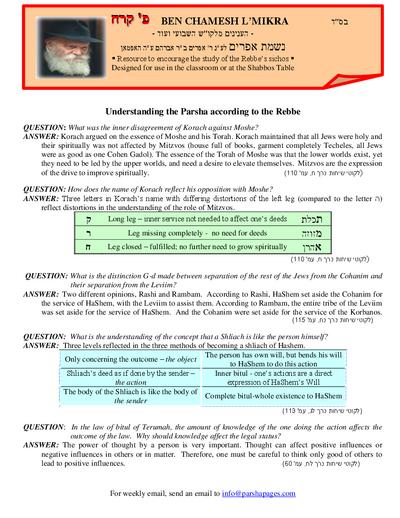
Bamidbar Rabba 11.

All that night, he went to the tribes and enticed them [saying,] “Do you think I care only for myself? I care for all of you. These [people] come and take all the high positions: the kingship for himself and the kehunah (priesthood) for his brother,” until they were all enticed.

Rashi, Bamidbar 16:19

Korach went around to all the various tribes to convince them to join his rebellion, by claiming that he had their own good in mind as well. The multitudes that joined Korach’s camp did not do so because they had any particular complaint against Moshe or Aharon, but because they were convinced to do so by Korach. Understood therefore is, that although responsible for their actions, they were not the ringleaders and were not deserving of punishment in the same way.

While one cannot excuse themselves by saying that they are not at fault because they were convinced by another individual—as a person should both distance themselves from people that have abhorrent ideas and should be strong in their own moral compass—nevertheless, the degree of their fault is mitigated.

It is this diminishment of blame that Moshe was expressing in his statement that G-d is the knower of man’s thoughts. Moshe was essentially saying, that because G-d knows who was truly responsible for the rebellion and who were merely followers, G-d should only destroy the ringleader and spare the followers.

Accordingly, we can understand Rashi’s allegory of the difference between the way that a mortal king operates and the manner in which G-d ought to operate.

Rashi brings the allegory of “a mortal king against whom part of his country transgresses (sarcha),” and points out that a mortal king “does not know who the sinner (choteh) is.” With these words, Rashi is pointing out that there is a focal difference between transgressing that was done by the many, and sinning, which Moshe assumed was done only by Korach himself.

The Hebrew term that is employed for the act of transgressing, “sirchon,” means rotten and expresses disgust. It is the difference between “sarcha,” the group that acted abhorrently and “choteh,” he who sinned, that Rashi wishes to highlight.

Rashi is expressing, that though part of the king’s empire “sarcha,” which indicates that they acted negatively, they did not display a wonton act of rebellion in which the individuals would each be considered a “choteh”— a sinner.

This essentially expresses, that while their actions were indeed repulsive, their intention, however, was not to rebel, and therefore they are not deserving of death. While many people indeed transgressed, Moshe was articulating that there was in all probability, only one instigator who led the uprising.

It is for this reason that although Rashi begins his statement in the plural form, with the expression “part of his country transgresses (sarcha),” he finishes his sentence saying that there was one sinner.

It is concerning this point that it is pertinent to point out the allegory underlining the difference between a mortal king and G-d, who knows man’s thoughts.

Bereishis 18:23.

A mortal king, who cannot know who the instigator and the one that fueled the rebellion is, must punish them all equally, as they all transgressed. However, G-d, who knows the thoughts of man, is able to determine who the truly rebellious one is and who the followers are.

It is therefore understood why this allegory is not brought with the incident of Avraham in his plea to G-d not to destroy the city of Sedom. There, Avraham’s argument was, "Will You even destroy the righteous with the wicked?” Avraham was essentially requesting for G-d not to destroy those who are completely righteous.

Concerning the episode of Korach however, Moshe was arguing that even those that indeed transgressed should not be destroyed as well, as there is a focal difference in the severity of the sin of those who are rebellious and those who are merely followers.

It is this point that is expressed in the allegory, which is not pertinent to Avraham’s argument with the Almighty.

PDF Preview