The Authority of the Chachamim and the Miracle of Chanukah
Our chachma is a chelek of Hakadosh Baruch Hu. The Yevanim had no issue with us learning Torah. But they took exception to us being a chelek – a part of that Living Torah! They opposed the notion that Hakadosh Baruch Hu was subject to the decisions and rulings of Bnei Yisrael. They refused to accept, and were outraged, that a certain people – made from the same flesh and blood as them – had a capability and privilege they lacked.
There are countless examples of this authority being transmitted to Bnei Yisrael, via Torah Sheb’al Peh. Whether related to calendar matters – new months, leap years, and all related halachot – or the case of akhnai’s oven (Bava Metzia 59b) where even a heavenly bat kol declaring the halachic status of an oven did not outweigh Rabbanan’s ruling and resulted in the famous declaration: Lo Bashamayim Hi – it is not in heaven!
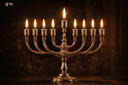
Given the war of the Yevanim was against our Chachamim, Hakadosh Baruch Hu wanted to respond in a manner that demonstrated just how far He would go for these Chachamim and for Torah Sheb’al Peh. He would change the entire natural order for them. It was completely permissible to light the Menorah using the oil they had available in the Beit Hamikdash – for the reasons discussed earlier – but the Chachamim came along and said they would not do it. They decided they don’t light with such oil after it has been defiled. Hakadosh Baruch Hu, k’viyachol, said to them: “I promise, it is permissible to light with this oil. I wrote the Torah and gave its laws, and I am telling you it is permitted. You decided otherwise? Very well, that is now the truth, and I will follow your lead. I will provide you with a miracle so you’re able to light the Menorah accordingly.” The miracle of the oil and its lasting for eight days, was to demonstrate the power and authority of the Chachamim and Torah Sheb’al Peh!
The Sages come along and ask what bracha we recite on the Chanukah lights and where we were commanded to do so. Why don’t they ask these questions with regards to Megillah or Eruv? Because the essence of Chanukah’s miracle was to demonstrate the strength of Chachmim and the need to abide by their word – Lo Tasur. The bracha we recite is the equivalent of Vetzivanu Lishmoa Bekol Chachamim. The Gemara and Midrash are telling us that if someone asks why they should recite this bracha, we tell them they should follow the words of the Chachamim just like Hakadosh Baruch Hu Himself follows their word!
Now that we understand and appreciate this power and authority, we can also understand the text of Al Hanissim.
וְטִהֲרוּ אֶת־מִקְדָּשֶׁךָ וּפִנּוּ אֶת־הֵיכָלֶךָ לִדְבִיר בֵּיתֶךָ וְאַחַר־כֵּן בָּאוּ בָנֶיךָ וְהִדְלִיקוּ נֵרוֹת בְּחַצְרוֹת קָדְשֶׁךָ וְקָבְּעוּ שְׁמוֹנַת יְמֵי חֲנֻכָּה אֵלּוּ לְהוֹדוֹת וּלְהַלֵּל לְשִׁמְךָ הַגָּדוֹל:
The conclusion of the paragraph is not an epilogue, or an aftermath to the story that provides direction as to how the holiday should be celebrated in the future. These words are an integral part of the miracle! Not only did Bnei Yisrael defeat the Yevanim by sword, but they also defeated them in a battle waged against the Chachamim and Torah Sheb’al Peh. They did so exactly as detailed – by entering the Holy of Holies, cleaning the Temple, purifying the Sanctuary, kindling lights in the courtyard of the Sanctuary, and designated these eight days of Chanukah to thank and praise Hakadosh Baruch Hu’s great Name. That is why we recite these words on Chanukah, whereas on Purim the narrative ends in a different manner.
We can now also go back and understand the Rambam’s words: Mitzvat Ner Chanukah Mitzvah Chavivah Hi Ad Me’od – a very beloved mitzvah. Chazal say Chavivin Divrei Sofrim Midivrei Torah – the words of our Chachamim are as precious as the words of the Torah. The Rambam sees in the source of Chanukah the victory and bolstering of divrei Chachamim, and thus its mitzvah takes on the same preciousness.
Who was the first heretic to oppose the words of Chachamim? It was the raven! Noach instructed him to go outside and check on the state of the earth, to which he responded, “Adoni, I’m not going anywhere!” Noach, the Sanhedrin of the time, the one who symbolizes Menuchah, told him to go outside and check. But the raven responded, “Rabbanim will not tell me what to do! I’m independent and you will not give me instructions!” He came full of excuses involving his wife and rationalizations concerning his offspring; and he was quickly dismissed.
The dove followed. It could have responded, “I’m with him,” but instead, it followed its instructions, as it was subject and subservient to the word of the Chachamim. When it returned a second time, an olive branch was in its mouth. Why an olive branch? Because one day, B’ezrat Hashem, there will be Chanukah, and it will be a battle with the Yevanim – a battle between the dove and the raven; between light and darkness; between whether we are subject to the words of our Chachamim or independent from them. Whether we are a chelek of a Living Torah, or just followers of a closed Book.
The Yevanim are like the raven – וְחֹשֶךְ עַל־פְּנֵי תְהוֹם, whereas the dove symbolizes Bnei Yisrael – representing light, subservience to our Chachamim, and a part of the Torah.
The Bnei Yissaschar asks why we mention the name of Matityahu’s father, Yochanan, in Al Hanissim. The Gemara (Berachot 29a) tells us: אַל תַּאֲמִין בְּעַצְמְךָ עַד יוֹם מוֹתְךָ, שֶׁהֲרֵי יוֹחָנָן כֹּהֵן גָּדוֹל שִׁמֵּשׁ בִּכְהוּנָּה גְּדוֹלָה שְׁמֹנִים שָׁנָה וּלְבַסּוֹף נַעֲשָׂה צָדוֹקִי. Do not be sure of yourself until the day you die, as Yocḥanan the High Priest served in the High Priesthood for eighty years and ultimately became a Sadducee. Even one who is outstanding in his righteousness can become a heretic.
The Yevanim tried to negate the words of the Chachamim by corrupting the highest amongst them. Yochanan was Kohen Gadol for 80 years and in the end became a mityaven – a Hellenist, who changed his name to Yanai and denied the legitimacy of Torah Sheb’al Peh. And what did his son do? Matityahu came and established eight days of Chanukah, derived from the lighting of the Menorah according to the ruling of the Sages at the time, demonstrating unequivocally the everlasting strength of Chachamim and Torah Sheb’al Peh. He fixed what his father had damaged.
We can now understand just how powerful these days of Chanukah are – for our public miracles, our private miracles, and for the Living Torah of which we are an everlasting part of each day. The candles we light each day, the brachot we recite, and the words of appreciation we say in our tefilla tell that eternal story.
There is no Parsha that teaches us like the one we read this week – Mikeitz. When a person is in a pit, in a dark place – rachmana litzlan – they only need to look here. We begin with Yosef sitting in a jail cell, a dark dungeon, for ten years followed by two additional years. This is the second pit he sat in, not knowing what would come next, and unaware of what he did to deserve it. When the time for salvation arrived, it did not come slowly: Vayiritzu Min HaBor – they hurried him out of the dungeon (Bereshit 41:14). Run! Come quickly! This is a time we learn that just when everything looks dark, like it did from the Yevanim, we must look to the dove as our guide forward. If we sense nightfall approaching, remember it was at that exact moment the dove brought an olive branch capable of amazing light. We all have our own pits and darkness. But Vayehi Mikeitz – they come to an end. In a moment’s notice we can overcome the greatest of obstacles and hurdles. We all have that small jug of oil that seems to be insufficient, but with Hakadosh Baruch Hu’s help, it can last as long as we need to emerge victorious.