What You See & What You Get
זכרון יעקב | December 25, 2024
Print This Article
View Original PDF

What You See & What You Get

זכרון יעקב | June 27, 2025

RABBI MORDECHAI KAMENETZKY (Torah.org)

Almost every year on the week of Chanukah, Parshas Miketz is read. It contains the story of Yoseph, the viceroy of Egypt, who greet his brothers and accuses them of spying,. This story is read annually on Chanukah. There must be a connection between the story of Miketz and the Chanukah story. What is it?

This week the Torah relates how a famine plagued the entire Middle East. Yaakov’s children elected to go to the only country that was spared from hunger, Egypt. Through the brilliant vision, organization, and planning of a young Hebrew slave known to Egyptians as Tzafnat Paneach, that country fed both itself and the world. The brothers were ushered into the prodigal viceroy’s chambers. He acted towards them like a total meshuganah. He accused them of a heinous plot to spy on Egypt. He incarcerated Shimon, and forced them to bring their youngest brother, the orphaned child of an aged father, to him. Yoseph surely wanted to teach a lesson to the brothers who sold him. But if Yoseph wanted to castigate or punish his brothers for selling him, why didn’t he do so openly and directly? Why the senseless charade?

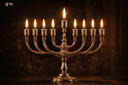
Chanukah is symbolized by the Menorah. It represents a miracle. A small amount of oil, enough for one day, lasted for eight. But there were greater miracles. A small army of Kohanim, priests who were previously involved in only spirituality and had very little experience in battle, defeated the Greek army. Why don’t we make a parade or a feast to celebrate a major victory? Why is the main commemoration over a little oil?

In a small village lived a poor groom. Unable to afford a proper tailor to
RABBI MORDECHAI KAMENETZKY (Torah.org)

Almost every year on the week of Chanukah, Parshas Miketz is read. It contains the story of Yoseph, the viceroy of Egypt, who greet his brothers and accuses them of spying,. This story is read annually on Chanukah. There must be a connection between the story of Miketz and the Chanukah story. What is it?

This week the Torah relates how a famine plagued the entire Middle East. Yaakov’s children elected to go to the only country that was spared from hunger, Egypt. Through the brilliant vision, organization, and planning of a young Hebrew slave known to Egyptians as Tzafnat Paneach, that country fed both itself and the world. The brothers were ushered into the prodigal viceroy’s chambers. He acted towards them like a total meshuganah. He accused them of a heinous plot to spy on Egypt. He incarcerated Shimon, and forced them to bring their youngest brother, the orphaned child of an aged father, to him. Yoseph surely wanted to teach a lesson to the brothers who sold him. But if Yoseph wanted to castigate or punish his brothers for selling him, why didn’t he do so openly and directly? Why the senseless charade?

Chanukah is symbolized by the Menorah. It represents a miracle. A small amount of oil, enough for one day, lasted for eight. But there were greater miracles. A small army of Kohanim, priests who were previously involved in only spirituality and had very little experience in battle, defeated the Greek army. Why don’t we make a parade or a feast to celebrate a major victory? Why is the main commemoration over a little oil?

In a small village lived a poor groom. Unable to afford a proper tailor to
PDF Preview