Halachos and Minhagim for the Week of Parshas Nitzavim-Vayeilech
Chabad.org Luach | September 27, 2024
Print This Article
View Original PDF

Halachos and Minhagim for the Week of Parshas Nitzavim-Vayeilech

Chabad.org Luach | June 27, 2025

Your complete guide to this week's halachos and minhagim.

§Those planning on blowing the shofar on Rosh Hashanah (e.g., for mivtzo’im) should review the necessary halachos beforehand. (See below, “Hosafos,” for a selection of these halachos.)

§Those who will be serving as chazzan on Rosh Hashanah and/or Yom Kippur should review the davening, and especially the piyutim, to ensure they will know at least their simple meaning.

Shabbos Parshas Nitzavim-Vayeilech, Shabbos Selichos, 25 Elul, 5784

On this Day

Today is the yahrzeit of the Rebbe’s maternal grandfather, Reb Meir Shlomo Yanovsky. The Rebbe would say Kaddish in his memory.

Today marks the anniversary of the creation of the world (according to Rebbi Eliezer—which halachah follows).

Although we don’t bentch the new month, we still recite the entire Tehillim before Shacharis.

§The Baal Shem Tov said: On the last Shabbos of Elul, Hashem Himself blesses the new month, and this gives us the ability to bentch the other eleven months of the year. (Hayom Yom, 25 Elul)

§For today’s haftorah we read Sos Asis (Yeshayahu 61:10–63:9).

§Say Av Harachamim and Tzidkas’cha.

§Participate in a farbrengen (today and/or tonight), in preparation for selichos.

§After Minchah, we read the fifth and sixth chapters of Pirkei Avos. See note in last week’s Luach regarding whether Kol Yisroel and Rabbi Chananya ben Akashya should be said before and after both chapters, or just once (before the fifth chapter and after the sixth chapter).

Motzoei Shabbos 26 Elul, 5784

§After Shemoneh Esrei of Maariv, do not say Viyhi Noam and Ve’atah Kadosh.

§Selichos are recited shortly after chatzos.

§The chazzan puts on a tallis, but does not make a berachah.

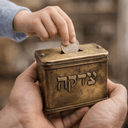
§The Rebbe once suggested that before beginning selichos, a topic in Torah should be studied and tzedakah should be given. The Rebbe suggested studying (at least the beginning and ending of) the maamar of Lecha Hashem hatzedakah, printed in the beginning of the selichos.

Monday 27 Elul, 5783

§From today until Erev Rosh Hashanah, selichos are recited before Shacharis.

§Since it is already morning, the chazzan makes a berachah when donning the tallis before selichos.

§When saying selichos without a minyan, omit the Yud-Gimmel Midos Harachamim (Hashem Hashem Kel rachum...).

כ"ק אדמו"ר נשיא דורנו יצא לסליחות בבגדי הש"ק – 'אוצר מנהגי חב"ד', אלול-תשרי, עמ' כג, וש"נ.

י"א שצ"ל הסליחות בעמידה, וכן נפוץ בין אנ"ש. ובפרט באמירת 'אשמנו' (מדינא - שו"ע אדה"ז סי' תר"ז ס"ז. ועד"ז לכאורה גם באמירת "אשמנו מכל עם"; "סלח לנו" שאחרי י"ג מידות, וכיו"ב). וכן י"ג מידות, שמע קולנו.

יש להתחיל 'אשרי' בעשרה כדי שיוכלו לומר אחריו קדיש מיד, ואם השלימו לעשרה מיד אחרי סיום אשרי, יאמר כמה פסוקים וחצי קדיש. אם היו עשרה באמירת הסליחות, אסור לצאת באופן שלא יישארו עשרה לקדיש. אך אם יצאו ונשארו אפילו שישה, יאמר הש"ץ קדיש תתקבל (כדין חזרת הש"ץ וכיו"ב, מטה-אפרים ואלף-המגן סי' תקפ"א סעיף י"ז).

"הנשמה לך" – הש"ץ מתחיל בקול רם ('סליחות - לקוט טעמים ומקורות' ממטה-אפרים תקפ"א סי"ח).

ָ ך" – ת' בקמץ, וכן בכולם.ָ ך, למען בריתבאמירת 'א-ל רחום שמך' אמר הרבי תמיד כש"ץ: "למען אמית באמירת 'עננו' מסיים הש"ץ בקול רם במקומות המופסקים בשתי נקודות, דלא כמנהג העולם ('אוצר מנהגי חב"ד' עמ' כח).

אומרים 'קדיש תתקבל' אחר הסליחות, גם אם מתפללים שחרית מיד לאחריהן ('סליחות – לקוט טעמים ומקורות'. וראה 'אוצר מנהגי חב"ד' עמ' כט).

באמירת סליחות בבית-המדרש של כ"ק אדמו"ר נשיא דורנו, לאחר קדיש תתקבל, מסיימים בשירת "רחמנא דעני לעניי ענינא", והרבי היה מעודד את השירה כדרכו בקודש ('אוצר מנהגי חב"ד' שם).

לוח כולל-חב"ד. וגם אם הוא בחור, מתעטף בה (ע"פ שערי הל' ומנהג ח"א עמ' רכו, מר"ה יז,א ותנא-דבי-אליהו זוטא פכ"ג. וראה באריכות ב'הערות וביאורים – אהלי תורה' גיליון תתנ"א עמ' 62 ואילך, ובפרט בעמ' 50. וראה באריכות ב'הערות וביאורים – אהלי תורה' גיליון תתנ"א עמ' 435 ואילך.

יש לברך ברכות השחר, ולפחות את ברכות-התורה, קודם הסליחות (לוח כולל-חב"ד, ע"פ שו"ע אדה"ז סי' מו ס"ח).

להיכל מנחם ח"ג עמ' רמה, 277 לאמירת סליחות ביום, מוכח ברשימות היומן עמ' רי; תורת מנחם ח"ב עמ' 11; שעקרונית לבישה לברית מילה חייבת בברכה, הרי שמכוונים אז גם לקיום מצות ציצית, וא"כ ה"ה בנדו"ד. ובפרט שבד"כ ממשיך ומתפלל בה.

שו"ע סי' תקסה ס"ה. גם לא בניגון ובטעמים - 'היכל מנחם' ח"ג עמ' רסה (למרות האמור בעניין זה בשו"ע שם, ראה כף-החיים סי' קלא ס"ק ג. גם בשו"ת מנחת-אלעזר ח"ד סי' כב מסיק שלא לומר גם בניגון ובטעמים, וכן נהג בפועל – 'דרכי חיים ושלום' אות קצ).

לעניין אמירת 'מחי ומסי', 'מרן דבשמייא' ביחיד, בלוח כולל-חב"ד הביא שידלגם, כיוון שיחיד מנוע מלהתפלל בלשון ארמי כמבואר בשו"ע רבינו סי' קא ס"ה. ואף שאדה"ז בסידורו הסתייג רק מאמירת 'יקום פורקן' השני ביחיד (ולא הראשון), כבר ציינו לשו"ע שלו סי' רפד סי"ד "שאין זו תחינה אלא ברכה", וא"כ אין מזה ראיה לענייננו. ורק יש להעיר מהלימוד זכות (של רבינו יונה) המופיע בשו"ע רבינו שם, ש"תפלה הקבוע לציבור, אפילו יחיד יכול לאומרה בכל לשון" וכש"כ בלשון שנתקנה בו.

Tuesday 28 Elul, 5784

§Today, the third day of selichos, is an auspicious date.

§The Rebbe suggested studying (at least part of) one of the maamarim said on the third day of selichos, participating in a shturemdike farbrengen, and giving extra tzedakah.

§Say Tachanun during Minchah, and Krias Shema al Hamitah, tonight.

§Erev Yom Tov reminder: Don’t forget to make an eiruv tavshilin!

Wednesday 29 Elul, Erev Rosh Hashanah, 5784

On this Day

Today marks the birth of the Tzemach Tzedek in the year 5549 (1789).

§The Rebbe encouraged utilizing this day to learn some of the Tzemach Tzedek’s teachings and follow his ways. To learn more about the Tzemach Tzedek, visit chabad.org/3268073.

§Say Tachanun during selichos, but not during Shacharis and Minchah.

§After davening, say Hataras Nedarim before ten people (or at least before three).

§The shofar is not blown today. If you need to practice for Rosh Hashanah, do so in a closed room.

§It is customary to visit kivrei tzaddikim today. It is customary to write a p a”n and send it to the Ohel; those who are able, should visit the Ohel in person.

§Take a haircut and immerse in the mikvah in honor of Yom Tov.

“Typically, a person preparing for judgment gets dressed in black, because he does not know what the outcome will be. We, however, do not do so: we put on our finery and eat and rejoice on Rosh Hashanah, because we know Hashem will perform a miracle [and judge us compassionately].” (Midrash, quoted in Tur §581)

§The Rebbe Rashab would accept a new hiddur each year before Rosh Hashanah. (Sefer Haminhagim, p. 56)

§Give tzedakah today for (Shabbos and) the two days of Rosh Hashanah.

§Beginning from one hour before Minchah, use every spare moment to say Tehillim.

§Today’s Minchah, the last tefillah of the year, should be said with extra concentration.

Eiruv Tavshilin

§Since Yom Tov leads directly into Shabbos, it is necessary to make an eiruv tavshilin today to enable preparation on Friday for Shabbos.

§Take a challah or matzah (at least the size of a kebeitzah, i.e., 2 oz.) and a piece of fish or meat (at least the size of a kezayis, i.e., 0.9 oz.). Give them to another adult (if possible, an individual who is a non-dependent) and say the sentence of Ani mezakeh (as printed in the siddur).

§Next, the other person lifts the challah/matzah and cooked dish a tefach high (approximately three inches) and returns them to you. Finally, make the berachah and say the sentence of Bedein yehei shara lana (as printed in the siddur). If you do not understand this final sentence in Aramaic, say it in English (for the English text, visit www.chabad.org/2327).

§The challah/matzah and cooked dish should not be eaten until all the necessary Shabbos preparations have been completed.

Hadlakas Neiros

§Before Yom Tov, light an extra-long-burning candle, from which the Yom Tov candles can be lit tomorrow night and the Shabbos candles before Shabbos.

§Ideally, women and girls should light candles before shekiah. Two berachos are said: Lehadlik Ner Shel Yom Hazikaron and Shehecheyanu.

§A man lighting candles should not make the berachah of Shehecheyanu when lighting, as he will say this berachah later when making Kiddush.
Your complete guide to this week's halachos and minhagim.

§Those planning on blowing the shofar on Rosh Hashanah (e.g., for mivtzo’im) should review the necessary halachos beforehand. (See below, “Hosafos,” for a selection of these halachos.)

§Those who will be serving as chazzan on Rosh Hashanah and/or Yom Kippur should review the davening, and especially the piyutim, to ensure they will know at least their simple meaning.

Shabbos Parshas Nitzavim-Vayeilech, Shabbos Selichos, 25 Elul, 5784

On this Day

Today is the yahrzeit of the Rebbe’s maternal grandfather, Reb Meir Shlomo Yanovsky. The Rebbe would say Kaddish in his memory.

Today marks the anniversary of the creation of the world (according to Rebbi Eliezer—which halachah follows).

Although we don’t bentch the new month, we still recite the entire Tehillim before Shacharis.

§The Baal Shem Tov said: On the last Shabbos of Elul, Hashem Himself blesses the new month, and this gives us the ability to bentch the other eleven months of the year. (Hayom Yom, 25 Elul)

§For today’s haftorah we read Sos Asis (Yeshayahu 61:10–63:9).

§Say Av Harachamim and Tzidkas’cha.

§Participate in a farbrengen (today and/or tonight), in preparation for selichos.

§After Minchah, we read the fifth and sixth chapters of Pirkei Avos. See note in last week’s Luach regarding whether Kol Yisroel and Rabbi Chananya ben Akashya should be said before and after both chapters, or just once (before the fifth chapter and after the sixth chapter).

Motzoei Shabbos 26 Elul, 5784

§After Shemoneh Esrei of Maariv, do not say Viyhi Noam and Ve’atah Kadosh.

§Selichos are recited shortly after chatzos.

§The chazzan puts on a tallis, but does not make a berachah.

§The Rebbe once suggested that before beginning selichos, a topic in Torah should be studied and tzedakah should be given. The Rebbe suggested studying (at least the beginning and ending of) the maamar of Lecha Hashem hatzedakah, printed in the beginning of the selichos.

Monday 27 Elul, 5783

§From today until Erev Rosh Hashanah, selichos are recited before Shacharis.

§Since it is already morning, the chazzan makes a berachah when donning the tallis before selichos.

§When saying selichos without a minyan, omit the Yud-Gimmel Midos Harachamim (Hashem Hashem Kel rachum...).

כ"ק אדמו"ר נשיא דורנו יצא לסליחות בבגדי הש"ק – 'אוצר מנהגי חב"ד', אלול-תשרי, עמ' כג, וש"נ.

י"א שצ"ל הסליחות בעמידה, וכן נפוץ בין אנ"ש. ובפרט באמירת 'אשמנו' (מדינא - שו"ע אדה"ז סי' תר"ז ס"ז. ועד"ז לכאורה גם באמירת "אשמנו מכל עם"; "סלח לנו" שאחרי י"ג מידות, וכיו"ב). וכן י"ג מידות, שמע קולנו.

יש להתחיל 'אשרי' בעשרה כדי שיוכלו לומר אחריו קדיש מיד, ואם השלימו לעשרה מיד אחרי סיום אשרי, יאמר כמה פסוקים וחצי קדיש. אם היו עשרה באמירת הסליחות, אסור לצאת באופן שלא יישארו עשרה לקדיש. אך אם יצאו ונשארו אפילו שישה, יאמר הש"ץ קדיש תתקבל (כדין חזרת הש"ץ וכיו"ב, מטה-אפרים ואלף-המגן סי' תקפ"א סעיף י"ז).

"הנשמה לך" – הש"ץ מתחיל בקול רם ('סליחות - לקוט טעמים ומקורות' ממטה-אפרים תקפ"א סי"ח).

ָ ך" – ת' בקמץ, וכן בכולם.ָ ך, למען בריתבאמירת 'א-ל רחום שמך' אמר הרבי תמיד כש"ץ: "למען אמית באמירת 'עננו' מסיים הש"ץ בקול רם במקומות המופסקים בשתי נקודות, דלא כמנהג העולם ('אוצר מנהגי חב"ד' עמ' כח).

אומרים 'קדיש תתקבל' אחר הסליחות, גם אם מתפללים שחרית מיד לאחריהן ('סליחות – לקוט טעמים ומקורות'. וראה 'אוצר מנהגי חב"ד' עמ' כט).

באמירת סליחות בבית-המדרש של כ"ק אדמו"ר נשיא דורנו, לאחר קדיש תתקבל, מסיימים בשירת "רחמנא דעני לעניי ענינא", והרבי היה מעודד את השירה כדרכו בקודש ('אוצר מנהגי חב"ד' שם).

לוח כולל-חב"ד. וגם אם הוא בחור, מתעטף בה (ע"פ שערי הל' ומנהג ח"א עמ' רכו, מר"ה יז,א ותנא-דבי-אליהו זוטא פכ"ג. וראה באריכות ב'הערות וביאורים – אהלי תורה' גיליון תתנ"א עמ' 62 ואילך, ובפרט בעמ' 50. וראה באריכות ב'הערות וביאורים – אהלי תורה' גיליון תתנ"א עמ' 435 ואילך.

יש לברך ברכות השחר, ולפחות את ברכות-התורה, קודם הסליחות (לוח כולל-חב"ד, ע"פ שו"ע אדה"ז סי' מו ס"ח).

להיכל מנחם ח"ג עמ' רמה, 277 לאמירת סליחות ביום, מוכח ברשימות היומן עמ' רי; תורת מנחם ח"ב עמ' 11; שעקרונית לבישה לברית מילה חייבת בברכה, הרי שמכוונים אז גם לקיום מצות ציצית, וא"כ ה"ה בנדו"ד. ובפרט שבד"כ ממשיך ומתפלל בה.

שו"ע סי' תקסה ס"ה. גם לא בניגון ובטעמים - 'היכל מנחם' ח"ג עמ' רסה (למרות האמור בעניין זה בשו"ע שם, ראה כף-החיים סי' קלא ס"ק ג. גם בשו"ת מנחת-אלעזר ח"ד סי' כב מסיק שלא לומר גם בניגון ובטעמים, וכן נהג בפועל – 'דרכי חיים ושלום' אות קצ).

לעניין אמירת 'מחי ומסי', 'מרן דבשמייא' ביחיד, בלוח כולל-חב"ד הביא שידלגם, כיוון שיחיד מנוע מלהתפלל בלשון ארמי כמבואר בשו"ע רבינו סי' קא ס"ה. ואף שאדה"ז בסידורו הסתייג רק מאמירת 'יקום פורקן' השני ביחיד (ולא הראשון), כבר ציינו לשו"ע שלו סי' רפד סי"ד "שאין זו תחינה אלא ברכה", וא"כ אין מזה ראיה לענייננו. ורק יש להעיר מהלימוד זכות (של רבינו יונה) המופיע בשו"ע רבינו שם, ש"תפלה הקבוע לציבור, אפילו יחיד יכול לאומרה בכל לשון" וכש"כ בלשון שנתקנה בו.

Tuesday 28 Elul, 5784

§Today, the third day of selichos, is an auspicious date.

§The Rebbe suggested studying (at least part of) one of the maamarim said on the third day of selichos, participating in a shturemdike farbrengen, and giving extra tzedakah.

§Say Tachanun during Minchah, and Krias Shema al Hamitah, tonight.

§Erev Yom Tov reminder: Don’t forget to make an eiruv tavshilin!

Wednesday 29 Elul, Erev Rosh Hashanah, 5784

On this Day

Today marks the birth of the Tzemach Tzedek in the year 5549 (1789).

§The Rebbe encouraged utilizing this day to learn some of the Tzemach Tzedek’s teachings and follow his ways. To learn more about the Tzemach Tzedek, visit chabad.org/3268073.

§Say Tachanun during selichos, but not during Shacharis and Minchah.

§After davening, say Hataras Nedarim before ten people (or at least before three).

§The shofar is not blown today. If you need to practice for Rosh Hashanah, do so in a closed room.

§It is customary to visit kivrei tzaddikim today. It is customary to write a p a”n and send it to the Ohel; those who are able, should visit the Ohel in person.

§Take a haircut and immerse in the mikvah in honor of Yom Tov.

“Typically, a person preparing for judgment gets dressed in black, because he does not know what the outcome will be. We, however, do not do so: we put on our finery and eat and rejoice on Rosh Hashanah, because we know Hashem will perform a miracle [and judge us compassionately].” (Midrash, quoted in Tur §581)

§The Rebbe Rashab would accept a new hiddur each year before Rosh Hashanah. (Sefer Haminhagim, p. 56)

§Give tzedakah today for (Shabbos and) the two days of Rosh Hashanah.

§Beginning from one hour before Minchah, use every spare moment to say Tehillim.

§Today’s Minchah, the last tefillah of the year, should be said with extra concentration.

Eiruv Tavshilin

§Since Yom Tov leads directly into Shabbos, it is necessary to make an eiruv tavshilin today to enable preparation on Friday for Shabbos.

§Take a challah or matzah (at least the size of a kebeitzah, i.e., 2 oz.) and a piece of fish or meat (at least the size of a kezayis, i.e., 0.9 oz.). Give them to another adult (if possible, an individual who is a non-dependent) and say the sentence of Ani mezakeh (as printed in the siddur).

§Next, the other person lifts the challah/matzah and cooked dish a tefach high (approximately three inches) and returns them to you. Finally, make the berachah and say the sentence of Bedein yehei shara lana (as printed in the siddur). If you do not understand this final sentence in Aramaic, say it in English (for the English text, visit www.chabad.org/2327).

§The challah/matzah and cooked dish should not be eaten until all the necessary Shabbos preparations have been completed.

Hadlakas Neiros

§Before Yom Tov, light an extra-long-burning candle, from which the Yom Tov candles can be lit tomorrow night and the Shabbos candles before Shabbos.

§Ideally, women and girls should light candles before shekiah. Two berachos are said: Lehadlik Ner Shel Yom Hazikaron and Shehecheyanu.

§A man lighting candles should not make the berachah of Shehecheyanu when lighting, as he will say this berachah later when making Kiddush.

PDF Preview