Feeding Animals Before Eating
Parsha Pages | October 15, 2023
Print This Article
View Original PDF

Feeding Animals Before Eating

Parsha Pages | December 31, 2025

The two major commentaries on the Shulchan Aruch seem to dispute whether one may snack prior to feeding one’s animals — the Taz (167:7) expressly permits snacking before feeding your animal, whereas the Magen Avraham (167:18) implies that it is prohibited.

An in-between meals’ snack

Some authorities endeavor to resolve the inconsistency between the two Talmudic versions of the text. The Nishmas Odom suggests that the two versions are not contradictory. It is prohibited to eat a meal without feeding your animal first, and that one who is planning to sit down to a meal may not taste anything of the meal without first feeding his animals. However, it is permitted to eat only a small snack prior to feeding your animals, when that is all one intends to eat. This approach is how the Nishmas Odom concludes in his magnum opus, the Chayei Odom (5:11), where he implies that one may eat a snack before feeding one’s animals.

The Nahar Shalom (167:4) answers the contradiction in the two texts in a similar fashion, ruling that when it is meal time, one may not eat even a snack, out of concern that he’ll forget to feed his animals, but between meals, one may eat a snack without feeding his animals first. This approach is also quoted by the Kaf Hachayim (167:52) as definitive halachah. However, the Shevus Yaakov, the Kesav Sofer (Shu”t Orach Chayim #32) and the Mishnah Berurah (167:40) all prohibit eating even a snack before feeding one’s animals.

At this point, we can address one of our opening questions: “I would like to eat an apple. Must I first feed Fido?” According to the Taz, the Chayei Odom, the Nahar Shalom and the Kaf Hachayim, one may eat an apple or some other snack before feeding his dog, although the Nahar Shalom and the Kaf Hachayim permit this only when it is not meal time. On the other hand, many other authorities prohibit eating even a snack without first feeding one’s animals.

Is instructing enough?

The Nahar Shalom and the Kaf Hachayim also permit if the owner commanded his servants to feed the animals, then he may begin his meal. Since his instructions will be obeyed, he does not need to worry that his animals will go hungry. However, other authorities do not record this lenient ruling (see Mishnah Berurah).

Drinking before feeding

Is it permitted to drink before one feeds the animals, or it the prohibition limited to eating?

Based on the Torah’s description of how Rivkah greeted Eliezer, the Sefer Chassidim (#531), makes a distinction between eating and drinking. The Torah teaches that Eliezer asked her for a little bit of water, and she answered him, I will serve you water and also your camels. The Sefer Chassidim asks how Eliezer could drink without first providing the camels with water. He concludes that although one may not eat without first feeding one’s animals, it is permitted to drink. This conclusion is quoted by many later authorities (for example, Magen Avraham 167:18; Birkei Yosef 167:6; Mishnah Berurah 167:40; Shu”t Har Tzvi 1:90), although several others (Pri Megadim, Mishbetzos Zahav 167:7; Shu”t Kesav Sofer, Orach Chayim #32) dispute it. For example, the Pri Megadim rules that when the animals are thirsty, one is required to water them before one may drink. He contends that Rivkah offered the men to drink first, because the camels were not as thirsty. This was because the camels had been drinking roadside water that people would consider too dirty to drink.

Another approach is that of the Chasam Sofer, who contends that when someone is offered food by a host, he may eat without first feeding his animals, since the host has no obligation to feed the guest’s animals. This explains why Eliezer drank before watering his camels.

Yet another approach to explain Rivkah’s actions is that she assessed that it was dangerous for Eliezer and his men not to hydrate themselves immediately, and that pikuach nefesh certainly supersedes the requirement to feed or water the animals first (Or Hachayim, quoted by Yad Efrayim on Magen Avraham 167:18).

A drinking problem

Why should drinking be permitted before one feeds one’s animals when it is forbidden to eat, and, according to many authorities, even to have a small snack? Rav Tzvi Pesach Frank (Shu”t Har Tzvi, Orach Chayim 1:90) provides two reasons for this distinction. First, suffering from thirst is far more uncomfortable than suffering from hunger, so the Torah did not require one to remain thirsty in order to make sure that the animals are fed. Second, the Torah forbade eating before feeding one’s animals out of concern that once one gets involved in eating, he may forget to feed his animals. Drinking does not create this concern, since it takes less time and does not involve as much procedure.

Is Shabbos different?

May one eat on Shabbos and Yom Tov before feeding one’s animals? The Kesav Sofer rules that the prohibition of eating before one feeds one’s animals applies only to eating a meal that does not fulfill a mitzvah, but that one may eat on Shabbos and Yom Tov before one has fed one’s animals, since this eating fulfills a mitzvah. Not all authorities appear to accept this ruling.
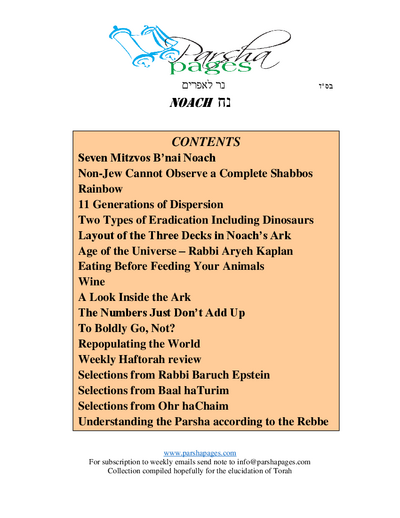
The two major commentaries on the Shulchan Aruch seem to dispute whether one may snack prior to feeding one’s animals — the Taz (167:7) expressly permits snacking before feeding your animal, whereas the Magen Avraham (167:18) implies that it is prohibited.

An in-between meals’ snack

Some authorities endeavor to resolve the inconsistency between the two Talmudic versions of the text. The Nishmas Odom suggests that the two versions are not contradictory. It is prohibited to eat a meal without feeding your animal first, and that one who is planning to sit down to a meal may not taste anything of the meal without first feeding his animals. However, it is permitted to eat only a small snack prior to feeding your animals, when that is all one intends to eat. This approach is how the Nishmas Odom concludes in his magnum opus, the Chayei Odom (5:11), where he implies that one may eat a snack before feeding one’s animals.

The Nahar Shalom (167:4) answers the contradiction in the two texts in a similar fashion, ruling that when it is meal time, one may not eat even a snack, out of concern that he’ll forget to feed his animals, but between meals, one may eat a snack without feeding his animals first. This approach is also quoted by the Kaf Hachayim (167:52) as definitive halachah. However, the Shevus Yaakov, the Kesav Sofer (Shu”t Orach Chayim #32) and the Mishnah Berurah (167:40) all prohibit eating even a snack before feeding one’s animals.

At this point, we can address one of our opening questions: “I would like to eat an apple. Must I first feed Fido?” According to the Taz, the Chayei Odom, the Nahar Shalom and the Kaf Hachayim, one may eat an apple or some other snack before feeding his dog, although the Nahar Shalom and the Kaf Hachayim permit this only when it is not meal time. On the other hand, many other authorities prohibit eating even a snack without first feeding one’s animals.

Is instructing enough?

The Nahar Shalom and the Kaf Hachayim also permit if the owner commanded his servants to feed the animals, then he may begin his meal. Since his instructions will be obeyed, he does not need to worry that his animals will go hungry. However, other authorities do not record this lenient ruling (see Mishnah Berurah).

Drinking before feeding

Is it permitted to drink before one feeds the animals, or it the prohibition limited to eating?

Based on the Torah’s description of how Rivkah greeted Eliezer, the Sefer Chassidim (#531), makes a distinction between eating and drinking. The Torah teaches that Eliezer asked her for a little bit of water, and she answered him, I will serve you water and also your camels. The Sefer Chassidim asks how Eliezer could drink without first providing the camels with water. He concludes that although one may not eat without first feeding one’s animals, it is permitted to drink. This conclusion is quoted by many later authorities (for example, Magen Avraham 167:18; Birkei Yosef 167:6; Mishnah Berurah 167:40; Shu”t Har Tzvi 1:90), although several others (Pri Megadim, Mishbetzos Zahav 167:7; Shu”t Kesav Sofer, Orach Chayim #32) dispute it. For example, the Pri Megadim rules that when the animals are thirsty, one is required to water them before one may drink. He contends that Rivkah offered the men to drink first, because the camels were not as thirsty. This was because the camels had been drinking roadside water that people would consider too dirty to drink.

Another approach is that of the Chasam Sofer, who contends that when someone is offered food by a host, he may eat without first feeding his animals, since the host has no obligation to feed the guest’s animals. This explains why Eliezer drank before watering his camels.

Yet another approach to explain Rivkah’s actions is that she assessed that it was dangerous for Eliezer and his men not to hydrate themselves immediately, and that pikuach nefesh certainly supersedes the requirement to feed or water the animals first (Or Hachayim, quoted by Yad Efrayim on Magen Avraham 167:18).

A drinking problem

Why should drinking be permitted before one feeds one’s animals when it is forbidden to eat, and, according to many authorities, even to have a small snack? Rav Tzvi Pesach Frank (Shu”t Har Tzvi, Orach Chayim 1:90) provides two reasons for this distinction. First, suffering from thirst is far more uncomfortable than suffering from hunger, so the Torah did not require one to remain thirsty in order to make sure that the animals are fed. Second, the Torah forbade eating before feeding one’s animals out of concern that once one gets involved in eating, he may forget to feed his animals. Drinking does not create this concern, since it takes less time and does not involve as much procedure.

Is Shabbos different?

May one eat on Shabbos and Yom Tov before feeding one’s animals? The Kesav Sofer rules that the prohibition of eating before one feeds one’s animals applies only to eating a meal that does not fulfill a mitzvah, but that one may eat on Shabbos and Yom Tov before one has fed one’s animals, since this eating fulfills a mitzvah. Not all authorities appear to accept this ruling.

PDF Preview