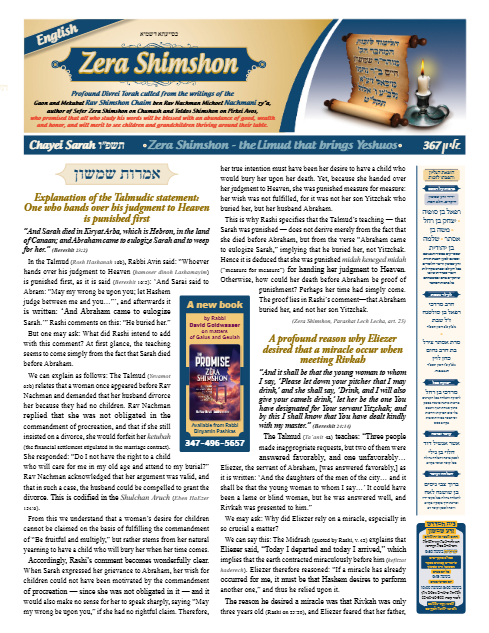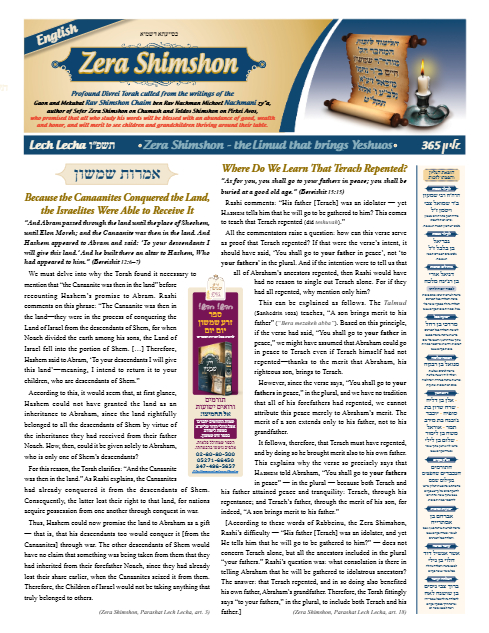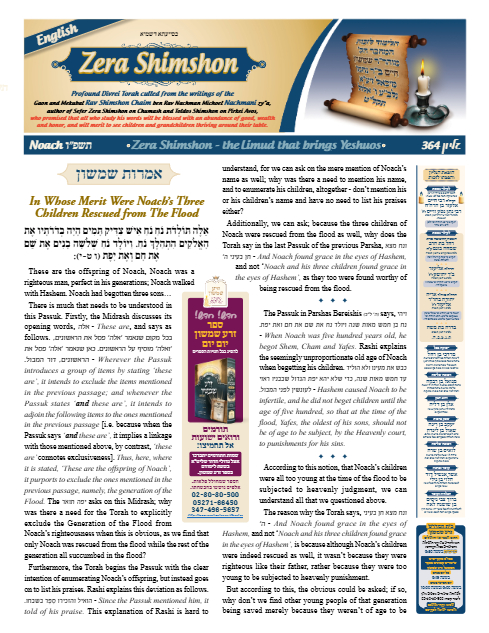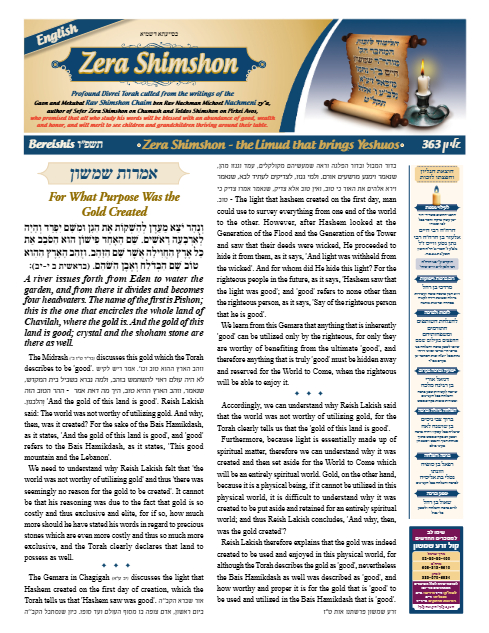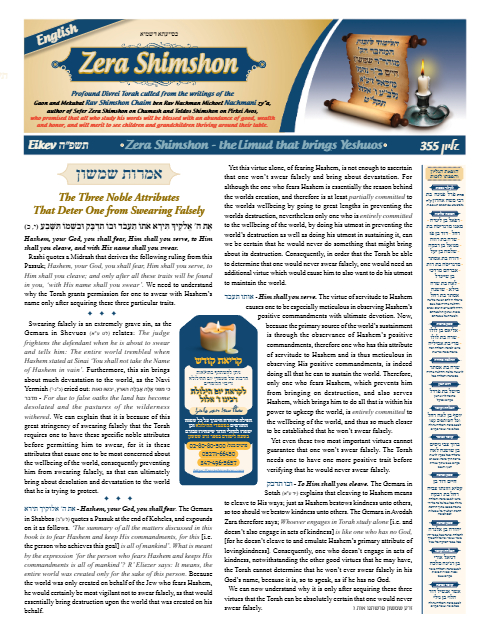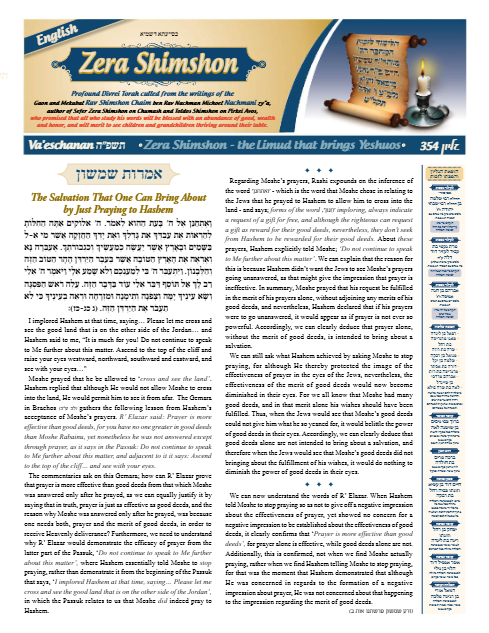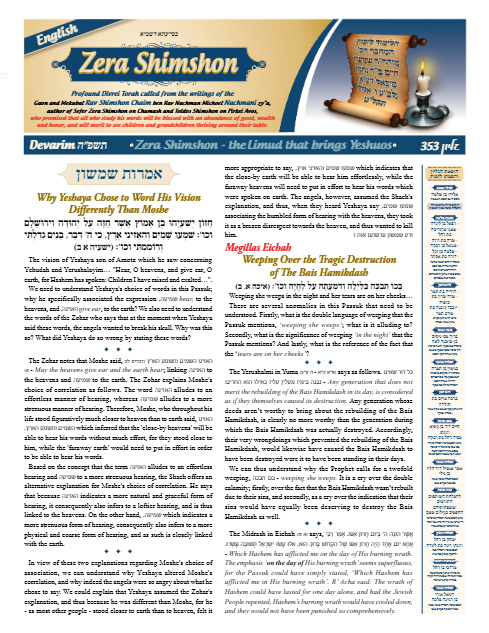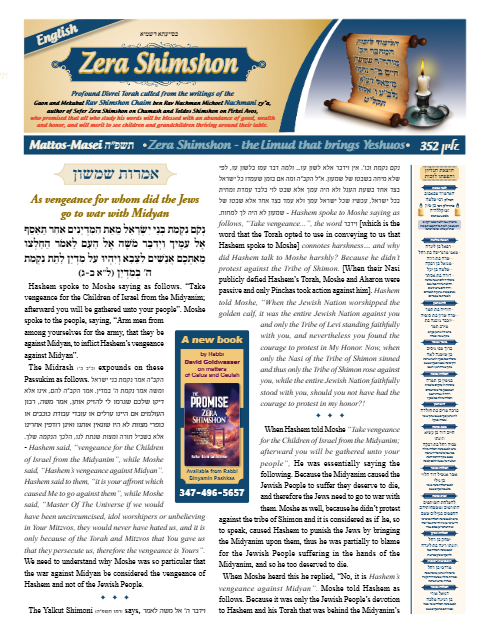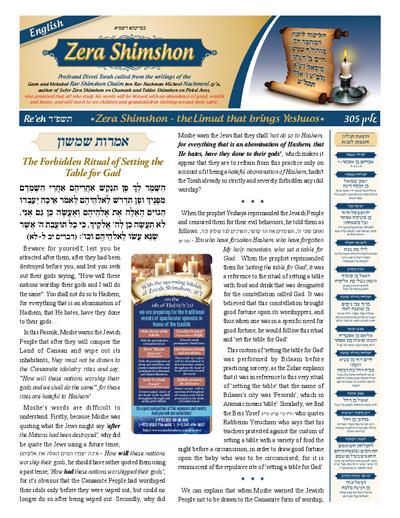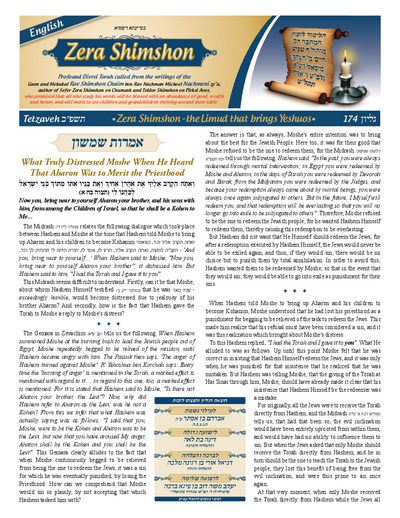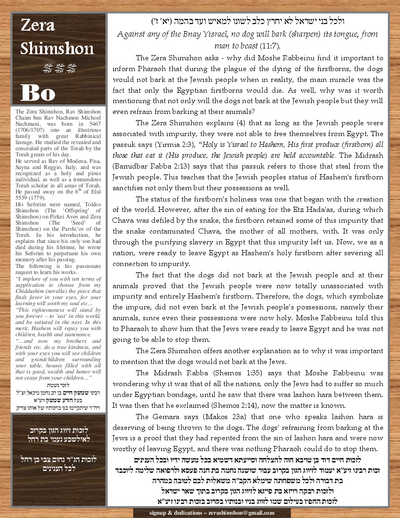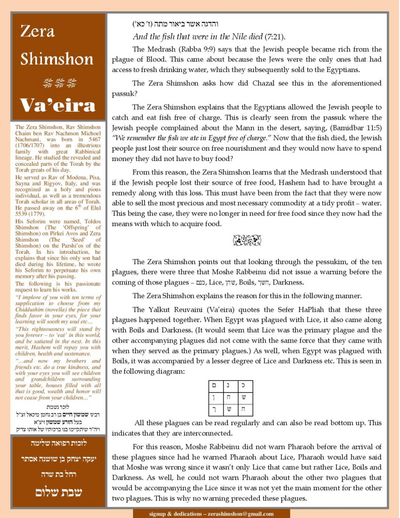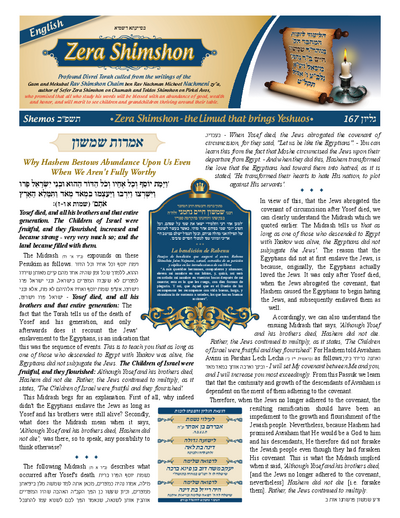
The Forbidden Ritual of Setting the Table for Gad
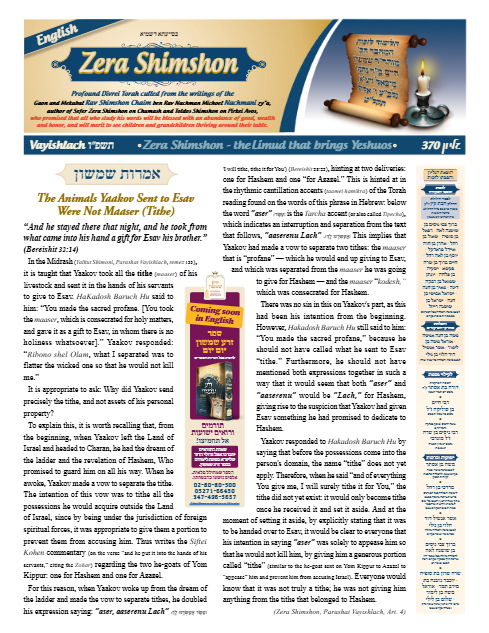
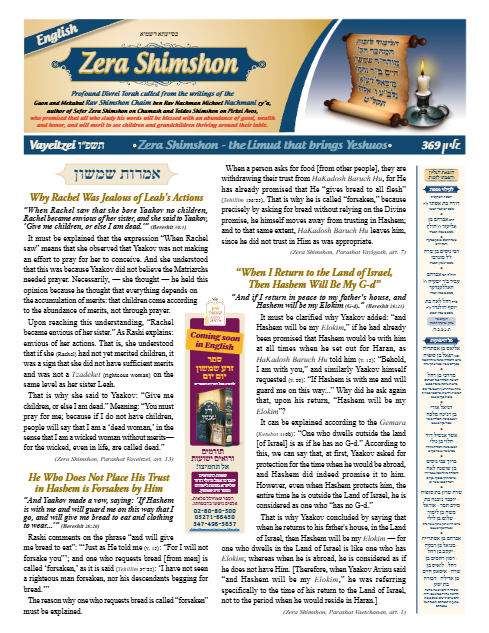
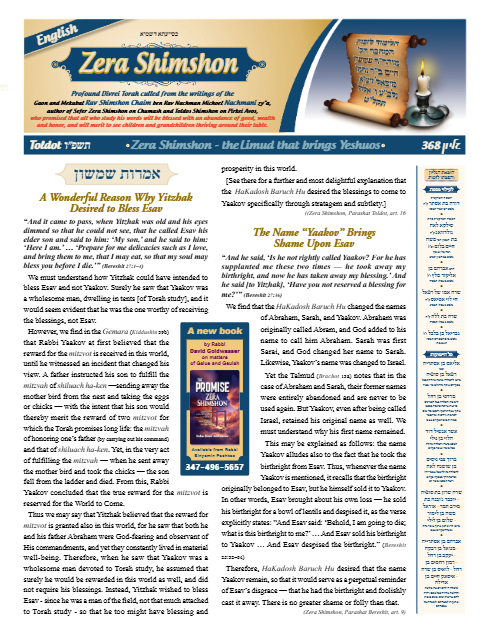
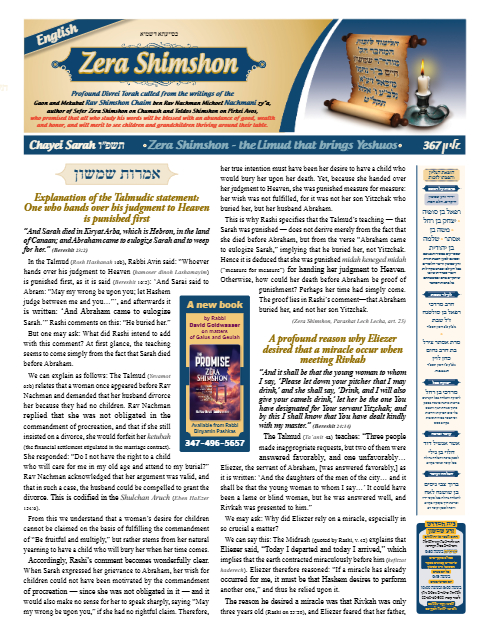
Zera Shimshon | August 29, 2024
Print This Article
View Original PDF

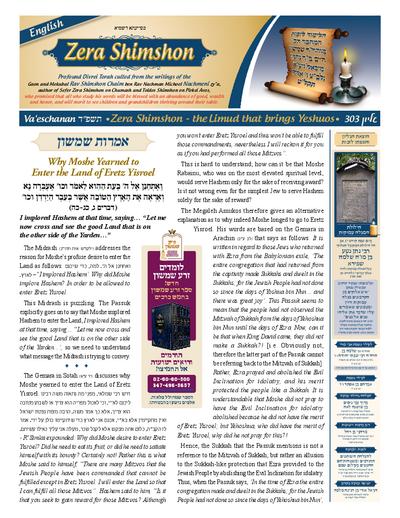
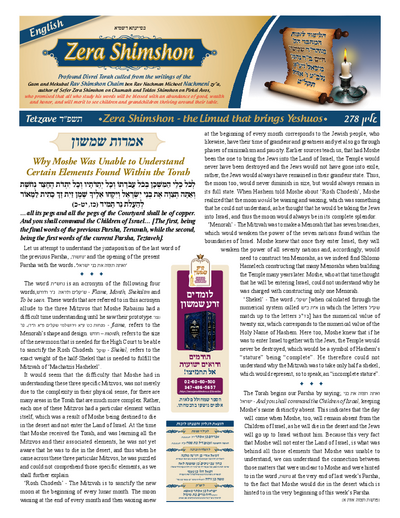
The Forbidden Ritual of Setting the Table for Gad

Zera Shimshon | June 20, 2025

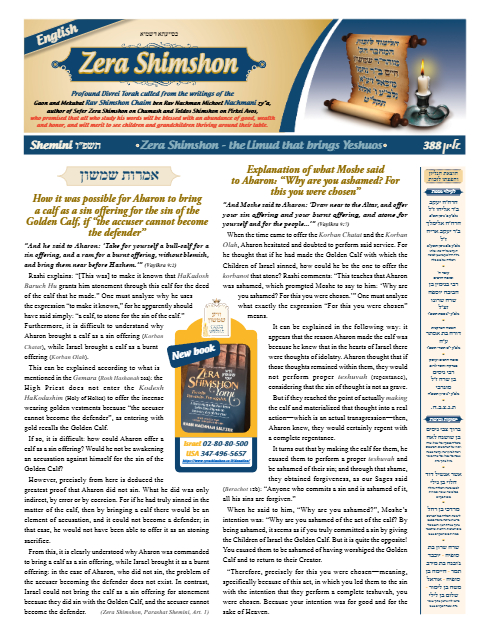
Beware for yourself, lest you be attracted after them, after they had been destroyed before you, and lest you seek out their gods saying, "How will these nations worship their gods and I will do the same". You shall not do so to Hashem, for everything that is an abomination of Hashem, that He hates, have they done to their gods...

In this Passuk, Moshe warns the Jewish People that after they will conquer the Land of Canaan and wipe out its inhabitants, 'they must not be drawn to the Canaanite idolatry rites and say, "How will these nations worship their gods and we shall do the same", for these rites are hateful to Hashem'.

Moshe's words are difficult to understand. Firstly, because Moshe was quoting what the Jews might say 'after the Nations had been destroyed', why did he quote the Jews using a future tense, איכה יעבדו הגוים האלה את אלקיהם - How will these nations worship their gods; he should have rather quoted them using a past tense, 'How had these nations worshipped their gods'; for it's obvious that the Canaanite People had worshiped their idols only before they were wiped out, but could no longer do so after being wiped out. Secondly, why did Moshe warn the Jews that they shall 'not do so to Hashem, for everything that is an abomination of Hashem, that He hates, have they done to their gods', which makes it appear that they are to refrain from this practice only on account of it being a hateful abomination of Hashem; hadn't the Torah already so strictly and severely forbidden any idol worship?

When the prophet Yeshaya reprimanded the Jewish People and censured them for their evil behaviors, he told them as follows.

ואתם עזבי ה', השכחים את הר קדשי, הערכים לגד שלחן וכו'. (סה יא) - You who have forsaken Hashem, who have forgotten My holy mountain, who set a table for Gad... When the prophet reprimanded them for 'setting the table for Gad', it was a reference to the ritual of setting a table with food and drink that was designated for the constellation called Gad. It was believed that this constellation brought good fortune upon its worshippers, and thus when one was in a specific need for good fortune, he would follow this ritual and 'set the table for Gad'.

This custom of 'setting the table for Gad' was performed by Bilaam before practicing sorcery; as the Zohar explains that it was in reference to this very ritual of 'setting the table' that the name of Bilaam's city was 'Pesorah', which in Aramaic means 'table'. Similarly, we find the Beis Yosef (יו"ד סי' קנ"ט סי"ז) who quotes Rabbeinu Yerucham who says that his teachers protested against the custom of setting a table with a variety of food the night before a circumcision, in order to draw good fortune upon the baby who was to be circumcised, for it is reminiscent of the repulsive rite of 'setting a table for Gad'.

We can explain that when Moshe warned the Jewish People not to be drawn to the Canaanite form of worship, he wasn't referring to the forbidden idol worship upon which the Torah had already commanded them elsewhere, for the Jewish People would never have entertained the thought of being drawn to idolatry which was so severely forbidden. Rather, Moshe was referring to the ritual of 'setting the table for Gad', which although might appear to be idol worship, nevertheless, was in fact not actually a form of idol worship, and thus would not be forbidden on account of the already-prohibited idol worship, but rather was only forbidden due to it being an 'abomination of Hashem', as Moshe had warned them.

In light of this we can also understand why Moshe used the future tense when quoting what the Jewish People would say after conquering the land of Canaan, 'How will these nations worship their gods'. For Moshe wasn't concerned that the Jews would be drawn to the idol worship that the Canaanites practiced before they were slain, but rather was only concerned that they would be drawn to the practice of 'setting the table for Gad', which would be practiced by the few remaining Canaanites who wouldn't be killed by the Jewish warriors, and who would want to draw upon themselves some good fortune after seeing the majority of their Canaanite brethren being wiped out. Thus, when Moshe wanted to warn the Jewish People to refrain from being drawn to this practice, which although isn't forbidden on account of idol worship, nevertheless is forbidden on account of it being an abomination of Hashem, he told them ever so astutely - Beware for yourself, lest you be attracted to them after they had been destroyed by you, and lest you say, "How will these nations worship their gods and I will do the same". You shall not do so to Hashem, for it is a hateful abomination of Hashem...

זרע שמשון פרשתנו אות ב

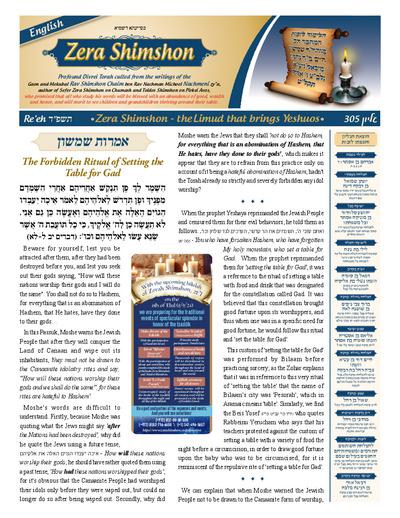
Beware for yourself, lest you be attracted after them, after they had been destroyed before you, and lest you seek out their gods saying, "How will these nations worship their gods and I will do the same". You shall not do so to Hashem, for everything that is an abomination of Hashem, that He hates, have they done to their gods...

In this Passuk, Moshe warns the Jewish People that after they will conquer the Land of Canaan and wipe out its inhabitants, 'they must not be drawn to the Canaanite idolatry rites and say, "How will these nations worship their gods and we shall do the same", for these rites are hateful to Hashem'.

Moshe's words are difficult to understand. Firstly, because Moshe was quoting what the Jews might say 'after the Nations had been destroyed', why did he quote the Jews using a future tense, איכה יעבדו הגוים האלה את אלקיהם - How will these nations worship their gods; he should have rather quoted them using a past tense, 'How had these nations worshipped their gods'; for it's obvious that the Canaanite People had worshiped their idols only before they were wiped out, but could no longer do so after being wiped out. Secondly, why did Moshe warn the Jews that they shall 'not do so to Hashem, for everything that is an abomination of Hashem, that He hates, have they done to their gods', which makes it appear that they are to refrain from this practice only on account of it being a hateful abomination of Hashem; hadn't the Torah already so strictly and severely forbidden any idol worship?

When the prophet Yeshaya reprimanded the Jewish People and censured them for their evil behaviors, he told them as follows.

ואתם עזבי ה', השכחים את הר קדשי, הערכים לגד שלחן וכו'. (סה יא) - You who have forsaken Hashem, who have forgotten My holy mountain, who set a table for Gad... When the prophet reprimanded them for 'setting the table for Gad', it was a reference to the ritual of setting a table with food and drink that was designated for the constellation called Gad. It was believed that this constellation brought good fortune upon its worshippers, and thus when one was in a specific need for good fortune, he would follow this ritual and 'set the table for Gad'.

This custom of 'setting the table for Gad' was performed by Bilaam before practicing sorcery; as the Zohar explains that it was in reference to this very ritual of 'setting the table' that the name of Bilaam's city was 'Pesorah', which in Aramaic means 'table'. Similarly, we find the Beis Yosef (יו"ד סי' קנ"ט סי"ז) who quotes Rabbeinu Yerucham who says that his teachers protested against the custom of setting a table with a variety of food the night before a circumcision, in order to draw good fortune upon the baby who was to be circumcised, for it is reminiscent of the repulsive rite of 'setting a table for Gad'.

We can explain that when Moshe warned the Jewish People not to be drawn to the Canaanite form of worship, he wasn't referring to the forbidden idol worship upon which the Torah had already commanded them elsewhere, for the Jewish People would never have entertained the thought of being drawn to idolatry which was so severely forbidden. Rather, Moshe was referring to the ritual of 'setting the table for Gad', which although might appear to be idol worship, nevertheless, was in fact not actually a form of idol worship, and thus would not be forbidden on account of the already-prohibited idol worship, but rather was only forbidden due to it being an 'abomination of Hashem', as Moshe had warned them.

In light of this we can also understand why Moshe used the future tense when quoting what the Jewish People would say after conquering the land of Canaan, 'How will these nations worship their gods'. For Moshe wasn't concerned that the Jews would be drawn to the idol worship that the Canaanites practiced before they were slain, but rather was only concerned that they would be drawn to the practice of 'setting the table for Gad', which would be practiced by the few remaining Canaanites who wouldn't be killed by the Jewish warriors, and who would want to draw upon themselves some good fortune after seeing the majority of their Canaanite brethren being wiped out. Thus, when Moshe wanted to warn the Jewish People to refrain from being drawn to this practice, which although isn't forbidden on account of idol worship, nevertheless is forbidden on account of it being an abomination of Hashem, he told them ever so astutely - Beware for yourself, lest you be attracted to them after they had been destroyed by you, and lest you say, "How will these nations worship their gods and I will do the same". You shall not do so to Hashem, for it is a hateful abomination of Hashem...

זרע שמשון פרשתנו אות ב

PDF Preview