Shadow Protection
Parsha Pages | June 25, 2024
Print This Article
View Original PDF

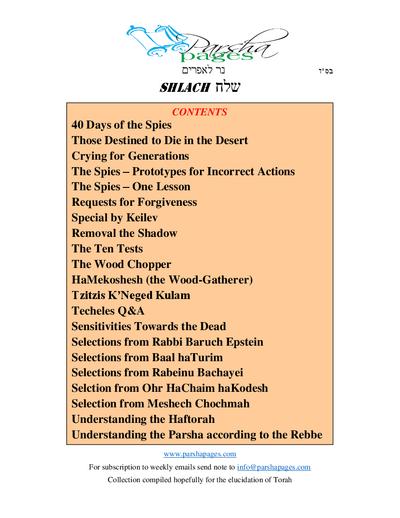
Shadow Protection

Parsha Pages | June 27, 2025

BeMidbar 14, 9: "Sor tzilom" – “Their shadow/protection has abandoned them”

How do we understand this allusion that Moshe gave to the Jews regarding the Canaanite inhabitants?

  1. Their strength through the merit of a righteous person is gone because Iyov has died. (Rashi)
  2. Their shadow, their protective cover offered by HaShem, has left them. (Rashi)
  3. The words just before this phrase are "lachmeinu heim," they are our bread. Bnei Yisrael's bread in the desert was the manna. Just as when the sun would shine upon the manna it would quickly melt and run off into the ground, so too, the present inhabitants of the land will have their protective shadow removed and the sun will beat down upon them, and they will melt away, i.e. offer us no resistance. (Abarbanel)
  4. Their protection through good fortune has left them. The message is that we should not mistakenly believe that so many of them died because the climate and air of the land is so poor that life expectancy there is very short. (Minchah V'lulah)
  5. Their protection through their administering angels has left them. (Minchah V'lulah)
  6. The verse says that the inhabitants of the land will remain there because "Ki lo sho'leim avone hoEmori" – the Emori were no longer there. At this point in time their merit to stay in the land, their shadow of protection, is gone and their time has come. (Minchah V'lulah)
  7. Their shadow refers to the protection afforded by their armor. We have heard them say that if the Bnei Yisrael will enter the land and do war with them, that they would discard their armor to allow them to escape quicker. (Sforno)
  8. A person who is being brought to the gallows be hung casts no shadow. They likewise cast no shadow, indicating that their death is imminent. (Rabeinu Chaim Paltiel citing Rabbi Yehudah Chosid)
  9. The head of a person who will die this year casts no lunar shadow on the night of Hoshana Rabbah. They likewise cast no shadow, indicating that they will die in battle. (Ramban)
  10. These words are an allusion to merits that the Bnei Yisrael have, which the inhabitants of the land lack. "Lachmeinu heim" is in the merit of the matzah that the Jews consume on Pesach, and "sor tzilom" is the merit of residing in a Sukkah under the shadow of the "s'chach." (Rabbeinu Bachyei)
  11. Just as the manna looks like white coriander seed, but has the taste of almost every imaginable food, so too, the inhabitants of the land, on the surface, look like powerful invincible warriors. "Sor tzilom mei'alei'hem," if you remove their veneer, you will see that they are a push-over. (Dvash V'cholav)
  12. In Tehillim (121,5) Dovid states HaShem is your shadow. The Baal Shem Tov according to the Kedushas Levi explains that a shadow reflects the method the manner in which one acts. Thus, the manner in which one acts below, the Heavenly shadow adjusts correspondingly. If one is a happy (or sad), your “shadow” acts accordingly. So here with the inhabitants of the land that will not accept the Jews, their shadow will adjust and no longer afford protection.

Menachos 33b: (Rava): The Mezuzah should be affixed in the Tefach closest to Reshus ha'Rabim: What is the reason?

(R. Chanina): HaShem's ways are unlike mortal's ways. A mortal king sits inside, and his servants guard him from the outside. However, HaShem's servants (Yisrael) are inside their houses (they affix a Mezuzah), and He guards them from the outside - "HaShem Shomrecha HaShem Tzilcha Al Yad Yeminecha.- HaShem protects you HaShem is your shadow on your right hand.”
BeMidbar 14, 9: "Sor tzilom" – “Their shadow/protection has abandoned them”

How do we understand this allusion that Moshe gave to the Jews regarding the Canaanite inhabitants?

  1. Their strength through the merit of a righteous person is gone because Iyov has died. (Rashi)
  2. Their shadow, their protective cover offered by HaShem, has left them. (Rashi)
  3. The words just before this phrase are "lachmeinu heim," they are our bread. Bnei Yisrael's bread in the desert was the manna. Just as when the sun would shine upon the manna it would quickly melt and run off into the ground, so too, the present inhabitants of the land will have their protective shadow removed and the sun will beat down upon them, and they will melt away, i.e. offer us no resistance. (Abarbanel)
  4. Their protection through good fortune has left them. The message is that we should not mistakenly believe that so many of them died because the climate and air of the land is so poor that life expectancy there is very short. (Minchah V'lulah)
  5. Their protection through their administering angels has left them. (Minchah V'lulah)
  6. The verse says that the inhabitants of the land will remain there because "Ki lo sho'leim avone hoEmori" – the Emori were no longer there. At this point in time their merit to stay in the land, their shadow of protection, is gone and their time has come. (Minchah V'lulah)
  7. Their shadow refers to the protection afforded by their armor. We have heard them say that if the Bnei Yisrael will enter the land and do war with them, that they would discard their armor to allow them to escape quicker. (Sforno)
  8. A person who is being brought to the gallows be hung casts no shadow. They likewise cast no shadow, indicating that their death is imminent. (Rabeinu Chaim Paltiel citing Rabbi Yehudah Chosid)
  9. The head of a person who will die this year casts no lunar shadow on the night of Hoshana Rabbah. They likewise cast no shadow, indicating that they will die in battle. (Ramban)
  10. These words are an allusion to merits that the Bnei Yisrael have, which the inhabitants of the land lack. "Lachmeinu heim" is in the merit of the matzah that the Jews consume on Pesach, and "sor tzilom" is the merit of residing in a Sukkah under the shadow of the "s'chach." (Rabbeinu Bachyei)
  11. Just as the manna looks like white coriander seed, but has the taste of almost every imaginable food, so too, the inhabitants of the land, on the surface, look like powerful invincible warriors. "Sor tzilom mei'alei'hem," if you remove their veneer, you will see that they are a push-over. (Dvash V'cholav)
  12. In Tehillim (121,5) Dovid states HaShem is your shadow. The Baal Shem Tov according to the Kedushas Levi explains that a shadow reflects the method the manner in which one acts. Thus, the manner in which one acts below, the Heavenly shadow adjusts correspondingly. If one is a happy (or sad), your “shadow” acts accordingly. So here with the inhabitants of the land that will not accept the Jews, their shadow will adjust and no longer afford protection.

Menachos 33b: (Rava): The Mezuzah should be affixed in the Tefach closest to Reshus ha'Rabim: What is the reason?

(R. Chanina): HaShem's ways are unlike mortal's ways. A mortal king sits inside, and his servants guard him from the outside. However, HaShem's servants (Yisrael) are inside their houses (they affix a Mezuzah), and He guards them from the outside - "HaShem Shomrecha HaShem Tzilcha Al Yad Yeminecha.- HaShem protects you HaShem is your shadow on your right hand.”

PDF Preview