Unique Punishment to False Witnesses
Parsha Pages | September 04, 2024
Print This Article
View Original PDF

Unique Punishment to False Witnesses

Parsha Pages | June 20, 2025

UNIQUE PUNISHMENT TO FALSE WITNESSES

Devarim 19:19: "You should do to him (the false witness) as he had plotted to do to his brother; so that you should eliminate the evil from your midst."

A unique rule in the laws of eidim zomemin is that the punishment is only applied to the false witnesses if it has not been carried out on the accused. If, however, the accused was already killed based on their testimony, then they will not receive that punishment. Many reasons are offered:

  • Ramban: This rule stems from the belief that G-d would not allow an innocent man to be punished in this way; so, if the accused received the punishment it is an indication that he really did deserve the punishment.
  • Abarbanel: This law protects the court, and keeps the people from saying that the court cannot make up its mind and puts innocent people to death.
  • Riva: HaShem desires to make available a means of atonement for the sin of testifying falsely; and death by the Bais Din is a means of atonement. However, if the accused is killed due to the false testimony, then the sin is so severe that this means of atonement (death by the Bais Din) is not available.
  • R’ Bacheye: When the death sentence is not carried out, then there is an accused plus two witnesses that dispute the “false witnesses”; after the death sentence, then only two witnesses dispute two witnesses, and the Bais Din cannot pass sentence.
  • Imrei Shefer: Nobody would testify if they thought anytime in the future, someone possibly would say they were zomemim. Thus, Torah establishes a time limitation.
  • Maharal (1): The verse says to destroy the evil from your midst. The evil is the plot to testify to cause the death of another. Once the death has occurred the evil of the plot is no longer extant.
  • Maharal (2): The plot of what the witnesses wished to do to another is reversed and applied to them. However, once the punishment was carried out, the plot cannot be reversed.
  • Meshech Chochmah: The Torah was concerned that the relatives of the accused would hire witnesses to zomem the accusing witnesses in order to prevent the enforcement of the penalty of the Bais Din. However, this is not applicable once the judgment has already occurred.
  • HaTumim: While the accused is still alive, and the accusing witnesses are being led to their deaths for apparent false testimony, the live former accused person might admit to the crime (that he would not have admitted earlier to avoid being known as a Rasha). Once the accused has been killed then no further need for this drama.
  • Cohen Tzedek: Prior to the occurrence of the punishment of the Bais Din, then the second set of witnesses are believed to zomem the first group. However, once the first group of witnesses had their potential committed to action (and the witnesses were the first to carry out the punishment) the Torah provides additional trust to the first group of witnesses beyond the second group and they cannot become at that point eidim zomemim.
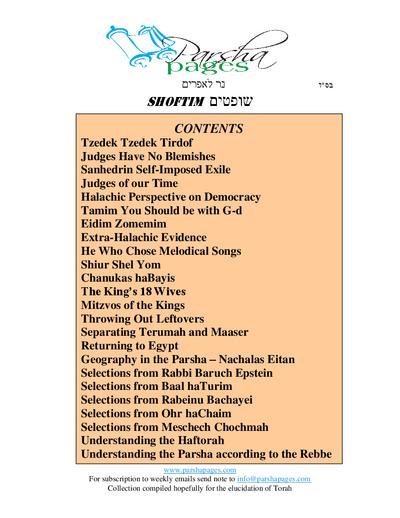
UNIQUE PUNISHMENT TO FALSE WITNESSES

Devarim 19:19: "You should do to him (the false witness) as he had plotted to do to his brother; so that you should eliminate the evil from your midst."

A unique rule in the laws of eidim zomemin is that the punishment is only applied to the false witnesses if it has not been carried out on the accused. If, however, the accused was already killed based on their testimony, then they will not receive that punishment. Many reasons are offered:

  • Ramban: This rule stems from the belief that G-d would not allow an innocent man to be punished in this way; so, if the accused received the punishment it is an indication that he really did deserve the punishment.
  • Abarbanel: This law protects the court, and keeps the people from saying that the court cannot make up its mind and puts innocent people to death.
  • Riva: HaShem desires to make available a means of atonement for the sin of testifying falsely; and death by the Bais Din is a means of atonement. However, if the accused is killed due to the false testimony, then the sin is so severe that this means of atonement (death by the Bais Din) is not available.
  • R’ Bacheye: When the death sentence is not carried out, then there is an accused plus two witnesses that dispute the “false witnesses”; after the death sentence, then only two witnesses dispute two witnesses, and the Bais Din cannot pass sentence.
  • Imrei Shefer: Nobody would testify if they thought anytime in the future, someone possibly would say they were zomemim. Thus, Torah establishes a time limitation.
  • Maharal (1): The verse says to destroy the evil from your midst. The evil is the plot to testify to cause the death of another. Once the death has occurred the evil of the plot is no longer extant.
  • Maharal (2): The plot of what the witnesses wished to do to another is reversed and applied to them. However, once the punishment was carried out, the plot cannot be reversed.
  • Meshech Chochmah: The Torah was concerned that the relatives of the accused would hire witnesses to zomem the accusing witnesses in order to prevent the enforcement of the penalty of the Bais Din. However, this is not applicable once the judgment has already occurred.
  • HaTumim: While the accused is still alive, and the accusing witnesses are being led to their deaths for apparent false testimony, the live former accused person might admit to the crime (that he would not have admitted earlier to avoid being known as a Rasha). Once the accused has been killed then no further need for this drama.
  • Cohen Tzedek: Prior to the occurrence of the punishment of the Bais Din, then the second set of witnesses are believed to zomem the first group. However, once the first group of witnesses had their potential committed to action (and the witnesses were the first to carry out the punishment) the Torah provides additional trust to the first group of witnesses beyond the second group and they cannot become at that point eidim zomemim.
PDF Preview