Praising Hashem for Miracles
Torah Wellsprings | February 21, 2026
Print This Article
View Original PDF

Praising Hashem for Miracles

Torah Wellsprings | February 21, 2026

He explains that when you praise Hashem for the miracle that occurred to you, you become a worthy candidate for another miracle.

The sefarim write this idea on the words (Tehillim 60:6) להתנוסס נס, one miracle draws down another one. Praising Hashem for the miracles makes us worthy of more miracles.

Many times, Chazal use the expression נס בתוך נס, one miracle within another miracle. Zera Shimshon explains that this also alludes to our lesson. Within the miracle is the potential for additional miracles to develop. He explains that therefore when one praises Hashem for miracles and he says birchas hagomel, the tzibbur replies כל שגמלך מי הוא יגמלך כל טוב סלה. We wish unto him more miracles. This is because since he experienced one miracle, he has potential for more.

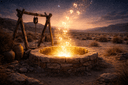
The Gemara (Brachos 54.) tells us that when Mar brei d'Ravina was in Arovos, he was thirsty, and miraculously, a well was created for him to quench his thirst. He was also in Riska d'Mechuza, and a wild camel attacked him. Miraculously, a wall of a house fell, and he was able to save himself by running into the house.

The Gemara says that when he was in Riska d'Mechuza, he would praise Hashem for both miracles, for saving him from the camel in Riska d'Mechuzah, and for saving him from thirst in Aravos. When he was in Aravos, he also praised Hashem for both miracles.

This is brought down in halachah. When a miracle happens to a person, and he returns to that place, he says the brachah ברוך ...שעשה לי נס במקום הזה, praising Hashem for the miracle that occurred. And if he experienced two or more miracles in his lifetime, when he praises Hashem for the miracles that occurred at that location, he should simultaneously praise Hashem for all his other salvations he experienced.

Zera Shimshon explains that this is because all salvations are connected. When you praise Hashem for one salvation, it opens the channels for additional miracles. However, if he doesn't praise Hashem for a miracle, he is kafuy tovah and he won't receive the next miracle.

We also praise Hashem before the miracle occurred. This enables the miracle to occur. The Midrash associates the words (25:2) ויקחו לי תרומה, "Take for Me a donation," with the words (Mishlei 4:2) כי לקח טוב נתתי לכם, "For I gave you good teaching." What is the connection? The Brezhaner Rav zt'l explains that these two pasukim teach us the same lesson. They teach that when one praises Hashem, even before the salvations come, he will merit yeshuos.

טוב לקח כי, if you want to receive good, נתתי לכם, think of it as if I have already given it to you. Therefore, נתתי לכם is written in past tense. Consider it like you have already received the goodness.

This is also implied in ויקחו לי תרומה, Rashi writes לשמי לי. So ויקחו לי תרומה means if you elevate Hashem's name by praising Him, ויקחו, you take salvation for yourself.
He explains that when you praise Hashem for the miracle that occurred to you, you become a worthy candidate for another miracle.

The sefarim write this idea on the words (Tehillim 60:6) להתנוסס נס, one miracle draws down another one. Praising Hashem for the miracles makes us worthy of more miracles.

Many times, Chazal use the expression נס בתוך נס, one miracle within another miracle. Zera Shimshon explains that this also alludes to our lesson. Within the miracle is the potential for additional miracles to develop. He explains that therefore when one praises Hashem for miracles and he says birchas hagomel, the tzibbur replies כל שגמלך מי הוא יגמלך כל טוב סלה. We wish unto him more miracles. This is because since he experienced one miracle, he has potential for more.

The Gemara (Brachos 54.) tells us that when Mar brei d'Ravina was in Arovos, he was thirsty, and miraculously, a well was created for him to quench his thirst. He was also in Riska d'Mechuza, and a wild camel attacked him. Miraculously, a wall of a house fell, and he was able to save himself by running into the house.

The Gemara says that when he was in Riska d'Mechuza, he would praise Hashem for both miracles, for saving him from the camel in Riska d'Mechuzah, and for saving him from thirst in Aravos. When he was in Aravos, he also praised Hashem for both miracles.

This is brought down in halachah. When a miracle happens to a person, and he returns to that place, he says the brachah ברוך ...שעשה לי נס במקום הזה, praising Hashem for the miracle that occurred. And if he experienced two or more miracles in his lifetime, when he praises Hashem for the miracles that occurred at that location, he should simultaneously praise Hashem for all his other salvations he experienced.

Zera Shimshon explains that this is because all salvations are connected. When you praise Hashem for one salvation, it opens the channels for additional miracles. However, if he doesn't praise Hashem for a miracle, he is kafuy tovah and he won't receive the next miracle.

We also praise Hashem before the miracle occurred. This enables the miracle to occur. The Midrash associates the words (25:2) ויקחו לי תרומה, "Take for Me a donation," with the words (Mishlei 4:2) כי לקח טוב נתתי לכם, "For I gave you good teaching." What is the connection? The Brezhaner Rav zt'l explains that these two pasukim teach us the same lesson. They teach that when one praises Hashem, even before the salvations come, he will merit yeshuos.

טוב לקח כי, if you want to receive good, נתתי לכם, think of it as if I have already given it to you. Therefore, נתתי לכם is written in past tense. Consider it like you have already received the goodness.

This is also implied in ויקחו לי תרומה, Rashi writes לשמי לי. So ויקחו לי תרומה means if you elevate Hashem's name by praising Him, ויקחו, you take salvation for yourself.

PDF Preview