Tablets and Shattered Tablets
Wonders | February 20, 2026
Print This Article
View Original PDF

Tablets and Shattered Tablets

Wonders | February 20, 2026

It is important to note that not only did the Ark contain the two tablets on which the Ten Commandments were inscribed but they also housed the first broken set of tablets, which Moses smashed upon seeing the people worshipping the Golden Calf. The Ark rested within the Holy of Holies, the innermost space in the Tabernacle (and later the Temple). Chasidut explains that this holy space exists within every Jew as well and the fact that it contained both the whole and broken tablets indicates the existential reality within each person of the concept of a whole and a half.

The whole/broken nature of our innermost heart is reflected in what is perhaps the deepest description of a Jew found in the Zohar, which states that “Weeping is fastened to one side of the heart, [while simultaneously] joy is fastened to the other side of the heart.” In Chasidic folklore, this description was at times expressed as, “there is nothing as whole as a broken heart.”

Finally, the Talmud expresses a similar sentiment: “The secrets of the Torah are not imparted except to one who is worried in his heart.” All these statements reflect the psychological and existential counterparts to the concept of “a whole and a half.” Our deepest, innermost space contains at one and the same time both a personal feeling of wholeness and the feeling of being shattered.
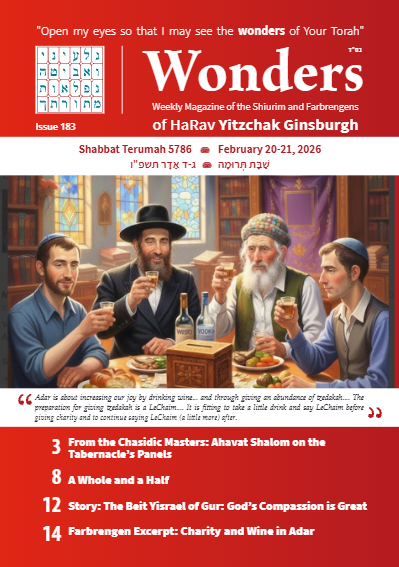
It is important to note that not only did the Ark contain the two tablets on which the Ten Commandments were inscribed but they also housed the first broken set of tablets, which Moses smashed upon seeing the people worshipping the Golden Calf. The Ark rested within the Holy of Holies, the innermost space in the Tabernacle (and later the Temple). Chasidut explains that this holy space exists within every Jew as well and the fact that it contained both the whole and broken tablets indicates the existential reality within each person of the concept of a whole and a half.

The whole/broken nature of our innermost heart is reflected in what is perhaps the deepest description of a Jew found in the Zohar, which states that “Weeping is fastened to one side of the heart, [while simultaneously] joy is fastened to the other side of the heart.” In Chasidic folklore, this description was at times expressed as, “there is nothing as whole as a broken heart.”

Finally, the Talmud expresses a similar sentiment: “The secrets of the Torah are not imparted except to one who is worried in his heart.” All these statements reflect the psychological and existential counterparts to the concept of “a whole and a half.” Our deepest, innermost space contains at one and the same time both a personal feeling of wholeness and the feeling of being shattered.

PDF Preview