Biographical Notes on Torah Commentators
Torah Papers | February 23, 2024
Print This Article
View Original PDF

Biographical Notes on Torah Commentators

Torah Papers | December 10, 2025

Ramban - Nachmanides – R' Moshe ben Nachman (1194-1270), Girona, Spain, Akko; A leading Torah scholar of the middle-ages who authored commentaries on Torah and the Talmud. He was a posek who wrote responsa and stand-alone works on Halachic topics, as well as works on mysticism, science and philosophy. Immigrated to Israel at age 72 and settled in Akko.

Ohr HaChaim Hakadosh - Rabbi Chaim ibn Attar (1696-1743), Salé, Morocco. Considered to be one of the most prominent Rabbis of Morocco, and in Hassidic Judaism.

Zohar - Central work of mystical tradition of Kabbalah. Traditionally attributed to Rabbi Shimon bar Yochai. First appeared in 13th-century Spain.

Yefeh To’ar - R' Shmuel Yaffe Ashkenmazi (1525-1595), Turkey; Leader of the Ashkenazi community of Constantinople. One of the most influential commentaries on Midrash Rabbah.

Shelah HaKadosh - R’ Yeshayahu ben Avraham HaLevi Horowitz (c.1555-1630), Prague, Frankfurt, and Israel; In 1614, after serving as rabbi in prominent cities in Europe, he left following the Fettmilch Uprising and assumed the prestigious position of Chief Rabbi of Prague. In 1621, moved to Israel and appointed rabbi of Ashkenazi community in Jerusalem. In 1626, moved to Tzefat.

Rabbi Eliyahu HaKohen M'izmir - Rabbi Eliyahu ben Solomon Avraham HaKohen (1640-1729), Smyrna (Izmir), Greece; A prolific writer, he is best remembered for his ethical work Shevet Mussar. He cared for orphans as his writings display an extremely detailed knowledge of the physical and psychological suffering of the poor.

Ibn Ezra - R' Avraham ben Meir ibn Ezra (1089-1164), Spain; Wrote on grammar, philosophy, astronomy, medicine, and mathematics, but most famous for his Torah commentary. His commentaries focus on grammatical explanations and the "peshat" (plain-sense) meaning of the text.

Ba’al HaTurim - Rabbi Jacob ben Asher (1269-1343), Spain; Composer of Arba'ah Turim, tracing Halacha from the Torah through Talmud and early Poskim. Many commentaries were written on the Tur, including R' Yosef Karo’s “Beit Yosef” which formed the basis of the Shulchan Arukh.

Rashbam - R’ Shmuel ben Meir (c.1085–c.1174), France. Grandson of Rashi and older brother of the Rivam and Rabbeinu Tam. His Torah commentary is concise and strictly to the concept of the "peshat". He does not hesitate to argue with Rashi when he feels his commentary strayed from the peshat of the verse.

Kli Yakar - R’ Shlomo Ephraim Luntschitz (1550-1619), Chief Rabbi of Prague following the Maharal. His primary work was written after becoming deathly ill and vowing to compose a commentary on the Torah if he survived.

Tzror Hamor - R’ Avraham Sabah (1440-1508), Spain, Portugal, and Morocco; Spanish scholar who spent much of his life fleeing persecution. With the expulsion of Jews from Spain in 1492, fled to Portugal, only to be expelled again in 1497. His two sons were taken from him and forcibly baptized as Christians. He was arrested in Lisbon and tortured, eventually escaping to Fez but without being able to recover his writings. He later rewrote from memory the works he had to abandon.

Netziv - Rav Naftali Zvi Yehudah Berlin (1816-1893), Lithuania. Born into a family of Jewish scholars, a descendant on his mother's side of R' Meir Eisenstadt. His first wife was the granddaughter of R. Chaim Volozhin, and his second the daughter of R. Yechiel Michel Epstein. In 1854 he was appointed head of the Volozhin yeshiva, where he introduced a style of Talmud study based on broad knowledge of Tannaitic and Geonic literature as well as the Rishonim.

Chida - R' Chaim Yosef David Azulai (1724-1806), Jerusalem, Africa, and Europe; Jerusalem born scholar and pioneer in the publication of Jewish religious writings. Elected in 1755 to become an emissary for the small Jewish community in Israel; would travel around Europe extensively, making an impression in every Jewish community that he visited.

Rokeach - Rabbi Elazar ben Yehuda ben Kalonymu, MiGermaiza (1176-1238) Mainz, Worms, Germany; Underwent great sufferings during the Crusades. The last major member of the Hasidei Ashkenaz, a group of German Jewish pietists. Sefer Ha-Roḳeaḥ (The Perfumer) is a halachic guide to ethics and Jewish Law for the common reader. Authored many piyyutim protesting Israel's suffering and hoping for redemption and revenge against her tormentors.

Chatam Sofer - R’ Moshe Sofer of Pressburg (1785–1835), Germany, Austria, Czechoslovakia, Ukraine. Studied under R' Nathan Adler and R' Pinchas Horowitz (Hafla'ah). In 1807 was appointed as Rabbi of Pressburg (Bratislava), where he also founded a large Yeshiva that produced many noted rabbis. Had 10 children with his second wife, who was the daughter of R' Akiva Eiger. The eldest, Avraham Shmuel Binyamin (Ketav Sofer), inherited his father's position as rabbi of Pressburg. His second son, Shimon (Michtav Sofer), was the rabbi of Krakow.

Vilna Gaon - (The Gra) R' Eliyahu ben Shlomo Zalman (1720-1797), Vilnius, Poland, Lithuania. Foremost leader of misnagdic Jewry of the past few centuries. Considered the father of the stream of Lithuanian Kabbalah and remembered as a leader of the opposition to the Hasidic movement.
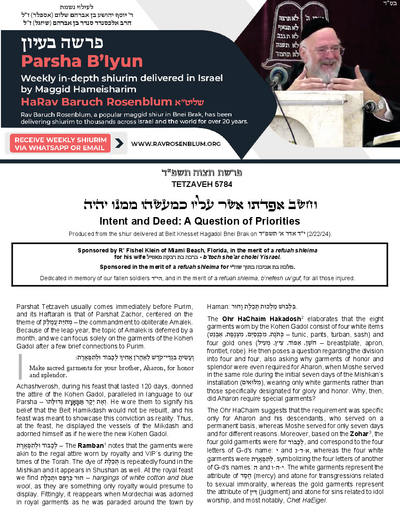
Ramban - Nachmanides – R' Moshe ben Nachman (1194-1270), Girona, Spain, Akko; A leading Torah scholar of the middle-ages who authored commentaries on Torah and the Talmud. He was a posek who wrote responsa and stand-alone works on Halachic topics, as well as works on mysticism, science and philosophy. Immigrated to Israel at age 72 and settled in Akko.

Ohr HaChaim Hakadosh - Rabbi Chaim ibn Attar (1696-1743), Salé, Morocco. Considered to be one of the most prominent Rabbis of Morocco, and in Hassidic Judaism.

Zohar - Central work of mystical tradition of Kabbalah. Traditionally attributed to Rabbi Shimon bar Yochai. First appeared in 13th-century Spain.

Yefeh To’ar - R' Shmuel Yaffe Ashkenmazi (1525-1595), Turkey; Leader of the Ashkenazi community of Constantinople. One of the most influential commentaries on Midrash Rabbah.

Shelah HaKadosh - R’ Yeshayahu ben Avraham HaLevi Horowitz (c.1555-1630), Prague, Frankfurt, and Israel; In 1614, after serving as rabbi in prominent cities in Europe, he left following the Fettmilch Uprising and assumed the prestigious position of Chief Rabbi of Prague. In 1621, moved to Israel and appointed rabbi of Ashkenazi community in Jerusalem. In 1626, moved to Tzefat.

Rabbi Eliyahu HaKohen M'izmir - Rabbi Eliyahu ben Solomon Avraham HaKohen (1640-1729), Smyrna (Izmir), Greece; A prolific writer, he is best remembered for his ethical work Shevet Mussar. He cared for orphans as his writings display an extremely detailed knowledge of the physical and psychological suffering of the poor.

Ibn Ezra - R' Avraham ben Meir ibn Ezra (1089-1164), Spain; Wrote on grammar, philosophy, astronomy, medicine, and mathematics, but most famous for his Torah commentary. His commentaries focus on grammatical explanations and the "peshat" (plain-sense) meaning of the text.

Ba’al HaTurim - Rabbi Jacob ben Asher (1269-1343), Spain; Composer of Arba'ah Turim, tracing Halacha from the Torah through Talmud and early Poskim. Many commentaries were written on the Tur, including R' Yosef Karo’s “Beit Yosef” which formed the basis of the Shulchan Arukh.

Rashbam - R’ Shmuel ben Meir (c.1085–c.1174), France. Grandson of Rashi and older brother of the Rivam and Rabbeinu Tam. His Torah commentary is concise and strictly to the concept of the "peshat". He does not hesitate to argue with Rashi when he feels his commentary strayed from the peshat of the verse.

Kli Yakar - R’ Shlomo Ephraim Luntschitz (1550-1619), Chief Rabbi of Prague following the Maharal. His primary work was written after becoming deathly ill and vowing to compose a commentary on the Torah if he survived.

Tzror Hamor - R’ Avraham Sabah (1440-1508), Spain, Portugal, and Morocco; Spanish scholar who spent much of his life fleeing persecution. With the expulsion of Jews from Spain in 1492, fled to Portugal, only to be expelled again in 1497. His two sons were taken from him and forcibly baptized as Christians. He was arrested in Lisbon and tortured, eventually escaping to Fez but without being able to recover his writings. He later rewrote from memory the works he had to abandon.

Netziv - Rav Naftali Zvi Yehudah Berlin (1816-1893), Lithuania. Born into a family of Jewish scholars, a descendant on his mother's side of R' Meir Eisenstadt. His first wife was the granddaughter of R. Chaim Volozhin, and his second the daughter of R. Yechiel Michel Epstein. In 1854 he was appointed head of the Volozhin yeshiva, where he introduced a style of Talmud study based on broad knowledge of Tannaitic and Geonic literature as well as the Rishonim.

Chida - R' Chaim Yosef David Azulai (1724-1806), Jerusalem, Africa, and Europe; Jerusalem born scholar and pioneer in the publication of Jewish religious writings. Elected in 1755 to become an emissary for the small Jewish community in Israel; would travel around Europe extensively, making an impression in every Jewish community that he visited.

Rokeach - Rabbi Elazar ben Yehuda ben Kalonymu, MiGermaiza (1176-1238) Mainz, Worms, Germany; Underwent great sufferings during the Crusades. The last major member of the Hasidei Ashkenaz, a group of German Jewish pietists. Sefer Ha-Roḳeaḥ (The Perfumer) is a halachic guide to ethics and Jewish Law for the common reader. Authored many piyyutim protesting Israel's suffering and hoping for redemption and revenge against her tormentors.

Chatam Sofer - R’ Moshe Sofer of Pressburg (1785–1835), Germany, Austria, Czechoslovakia, Ukraine. Studied under R' Nathan Adler and R' Pinchas Horowitz (Hafla'ah). In 1807 was appointed as Rabbi of Pressburg (Bratislava), where he also founded a large Yeshiva that produced many noted rabbis. Had 10 children with his second wife, who was the daughter of R' Akiva Eiger. The eldest, Avraham Shmuel Binyamin (Ketav Sofer), inherited his father's position as rabbi of Pressburg. His second son, Shimon (Michtav Sofer), was the rabbi of Krakow.

Vilna Gaon - (The Gra) R' Eliyahu ben Shlomo Zalman (1720-1797), Vilnius, Poland, Lithuania. Foremost leader of misnagdic Jewry of the past few centuries. Considered the father of the stream of Lithuanian Kabbalah and remembered as a leader of the opposition to the Hasidic movement.

PDF Preview