The Spiritual Significance of the Shoham Stones on the Eiphod
Print This Article
View Original PDF

The Spiritual Significance of the Shoham Stones on the Eiphod

הפצת המיינות חוצה | December 10, 2025

Furthermore, the inner reason why the stones of the Eiphod were specifically ‘Shoham’ stones, is due to the ability to be able to dominate and rule in a style of ‘Iss-kafya’, needing to be drawn down from a very lofty place.

This is alluded to in the name of the stone ‘Shoham’ itself because, in Hebrew, the name ‘Shoham’ is composed with the same letters as the name Moshe. Therefore, it is specifically through Moshe that the ability for the Avodah of ‘Iss-kafya’ is drawn down from above.

Furthermore, the ‘Shoham’ in The Choshen is the stone of Yosef. Yosef ranked higher than all the other Shevotim, because Yosef’s Neshomoh comes from ‘Yichudoh Ilo’oh of the world of Atzilus. (Whereas the other Shevotim all originated in the lower world of Beriyah) and it is from there that the empowerment for ‘Iss-kafya’ is drawn.

Avodah of Iss-kafya and the War Against Amalek

Additionally, we find a similar idea concerning the war against Amalek. As it is explained that when the B’nei Yisroel left Egypt, they were initially engaged in an Avodah of the manner of Achorayim. This is the Avodah of ‘Iss-kafya’ which is why Amalek was able to oppose them.

In the Alter Rebbe’s Tanya in chapter 31 he writes: This form of Divine service — in which the Divine soul breaks free of its exile within the body, while the body and animal soul remain in their lowly state — is analogous to the exodus from Egypt, of which it is written that “the people escaped.” The Jews told Pharaoh that they would leave Egypt for only three days, but upon being released from his land they escaped. At first glance it seems strange: Why should it have been so, in a manner of flight? Had they demanded of Pharaoh that he set them free forever, would he not have been forced to do so, having been stricken by the plagues? The explanation, the Alter Rebbe goes on to say, lies in the spiritual aspect of the Exodus, and this was reflected in its physical counterpart just as every event in Jewish history reflects a parallel spiritual process.

The corporeal enslavement of the Jewish people in Egypt reflected the enslavement of their souls by the Kelipah of Egyptian impurity. Their Exodus from Egypt likewise represented a spiritual liberation from this Kelipah. Since the spiritual exodus was an act of escape — i.e., their soul broke away and “escaped” from the impurity of Egypt, while the body and animal soul were still in exile within the Kelipah — therefore the physical exodus likewise assumed the manner of an escape. In the Alter Rebbe’s words: But escape was necessary because the evil in the [animal] souls of Israel was still strong in the left part of the heart, the seat of the animal soul, for their impurity (the impurity of Kelipah) did not cease until the giving of the Torah. Yet their aim and desire was that their Divine soul leave the exile of the Sitra Achra — the impurity of Egypt, and that it cleave to Hashem.

This is the reason why the war of Amalek needed to be specifically with Moshe’s men. As explained earlier that the ability for the Avodah of ‘Iss-kafya’ needs to be drawn from a very lofty place.
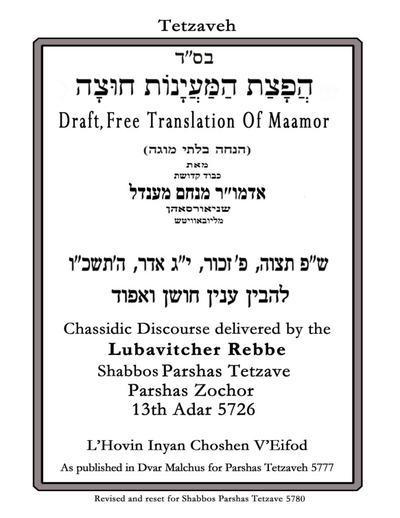
Furthermore, the inner reason why the stones of the Eiphod were specifically ‘Shoham’ stones, is due to the ability to be able to dominate and rule in a style of ‘Iss-kafya’, needing to be drawn down from a very lofty place.

This is alluded to in the name of the stone ‘Shoham’ itself because, in Hebrew, the name ‘Shoham’ is composed with the same letters as the name Moshe. Therefore, it is specifically through Moshe that the ability for the Avodah of ‘Iss-kafya’ is drawn down from above.

Furthermore, the ‘Shoham’ in The Choshen is the stone of Yosef. Yosef ranked higher than all the other Shevotim, because Yosef’s Neshomoh comes from ‘Yichudoh Ilo’oh of the world of Atzilus. (Whereas the other Shevotim all originated in the lower world of Beriyah) and it is from there that the empowerment for ‘Iss-kafya’ is drawn.

Avodah of Iss-kafya and the War Against Amalek

Additionally, we find a similar idea concerning the war against Amalek. As it is explained that when the B’nei Yisroel left Egypt, they were initially engaged in an Avodah of the manner of Achorayim. This is the Avodah of ‘Iss-kafya’ which is why Amalek was able to oppose them.

In the Alter Rebbe’s Tanya in chapter 31 he writes: This form of Divine service — in which the Divine soul breaks free of its exile within the body, while the body and animal soul remain in their lowly state — is analogous to the exodus from Egypt, of which it is written that “the people escaped.” The Jews told Pharaoh that they would leave Egypt for only three days, but upon being released from his land they escaped. At first glance it seems strange: Why should it have been so, in a manner of flight? Had they demanded of Pharaoh that he set them free forever, would he not have been forced to do so, having been stricken by the plagues? The explanation, the Alter Rebbe goes on to say, lies in the spiritual aspect of the Exodus, and this was reflected in its physical counterpart just as every event in Jewish history reflects a parallel spiritual process.

The corporeal enslavement of the Jewish people in Egypt reflected the enslavement of their souls by the Kelipah of Egyptian impurity. Their Exodus from Egypt likewise represented a spiritual liberation from this Kelipah. Since the spiritual exodus was an act of escape — i.e., their soul broke away and “escaped” from the impurity of Egypt, while the body and animal soul were still in exile within the Kelipah — therefore the physical exodus likewise assumed the manner of an escape. In the Alter Rebbe’s words: But escape was necessary because the evil in the [animal] souls of Israel was still strong in the left part of the heart, the seat of the animal soul, for their impurity (the impurity of Kelipah) did not cease until the giving of the Torah. Yet their aim and desire was that their Divine soul leave the exile of the Sitra Achra — the impurity of Egypt, and that it cleave to Hashem.

This is the reason why the war of Amalek needed to be specifically with Moshe’s men. As explained earlier that the ability for the Avodah of ‘Iss-kafya’ needs to be drawn from a very lofty place.

PDF Preview