People of the Land
Toras Avigdor | August 04, 2025
Print This Article
View Original PDF

People of the Land

Toras Avigdor | December 10, 2025

Pelishtim, yes; he was bothered by the Pelishtim. Avimelech wanted to take his wife away. He was bothered by Pharoah too. But the Canaanim didn’t bother him. So why are the Canaanim called enemies? In what way were they our enemies?

The answer is this: They were ideological enemies; they were enemies at the opposite end of the ideological spectrum. Why? Because Avraham was kulo la’Hashem, entirely for Hashem. Everything was for Hashem. It was his life. Yes, he raised cattle. Yes, he lived in the world of gashmiyus, he lived on the adamah too, but he was kulo la’Hashem. Canaan, on the other hand, they were kulo l’adamah. They were the mishpechos h’adama, families of the earth. They lived for the earth.

People of the Land

Now I’ll explain that. Hakadosh Baruch Hu wanted his people to come into Eretz Canaan eventually and have a beautiful country; a land that would be fertile, a country full of gardens. And so the Canaanim got busy; they got to work because they fell in love with land. Canaan was a cham, a nation of the warm outsides, and they cultivated every span of earth. It was being prepared for the Bnei Yisroel and the Canaanim were doing an excellent job. Eretz Yisroel became a ה׳ ןַּ‚ – a garden of Hashem (Breishis 13:10), under the care of the Canaanim.

They specialized in agriculture. They planted all the mountains. They terraced all the hills. Wherever you went, fruit trees were growing. Crops were growing everywhere. There wasn’t a country in the world that had such expert agriculturists as in the land of Canaan.

A Taste of Eretz Yisroel

You know, one of the Canaanite nations was the Chivie and the Gemara says chivie is from the word snake; a snake is called chivie. Why were they called the ‘snake people’? Because ֹמו¿חַל רָפָﬠ ׁ ָ̆חָנ – The snake chews earth (Yeshayahu 65:25). The snake is always testing the earth with its tongue. It flicks out its forked tongue to collect tiny particles from the ground and it uses the Jacobson’s organ, located in the roof of the mouth, to analyze the chemicals in the dirt. That’s how it knows where it is, where its prey is, other things.

The Chivie were the same; they could taste the earth. They picked up the dirt and they used to lick it and they could tell by the taste what crops you want to plant there. They had the ability to know what to plant in every plot of land. Some earth has more alkaline—that’s better for dates and figs—and some is more acidic which is better for wheat. By picking up earth and tasting it they knew exactly what could grow well in this earth or how to fertilize the earth according to its need.

The Canaanim threw all their energy and talents into developing the land and enjoying its produce. They used all their abilities, all their strength, to make the most of the land’s potential. And when the summer came, with its abundance and vitality, they saw it as a season for enjoyment — nothing more. The beauty of spring, the pleasures of summer, the blossoming of nature — to them, that was the goal. The happiness of the season was not a means to something higher; it was the end itself.

On the Other Hand...

Avraham Avinu and his children after him, on the other hand, were the opposite. The Rambam explains in Hilchos Avoda Zara (Perek 1) that Avraham Avinu lived with nature too but he lived very differently; He utilized the adamah but not for itself. He didn’t sit and eat grapes and enjoy the oil and the wheat of the land—he did, but that wasn’t the purpose. He ate normally and lived happily but he didn’t live for that purpose however. Avraham enjoyed the happiness of the world around him and he studied it and he utilized it to achieve Awareness of Hashem and to teach it to others.

That’s what the Rambam explains in the beginning of Hilchos Avoda Zara; that Avraham lived in that same world as Cham, as Canaan, but he utilized it to come closer to Hakadosh Baruch Hu. He studied nature and from nature he came to preach to the world the fact of a great Creator. And wherever he went, he built a mizbei’ach and םָלֹעו ל-≈‡ ה׳ ם≈ׁ ̆¿ּב ‡ָר¿ ̃ƒּיַו — He proclaimed Hashem to the world (Breishis 21:33).

Now, the Canaanim ridiculed that. Avraham was considered crazy to them—a man of spirit is always considered extreme by the materialists. “What’s this with ‘Hashem, ‘Hashem’?” they said. “Just enjoy the good land; enjoy the good food and good weather and the good times.”

Camp Rivalry

So you have now two ideologies here, two opposite camps. On one side are the mishpechos ha’adama, the families of the earth, who appreciate nature only for nature itself. And here, standing on the other side, is Avraham Avinu who saw the world around him as an opportunity to see the grandeur of its Creator.
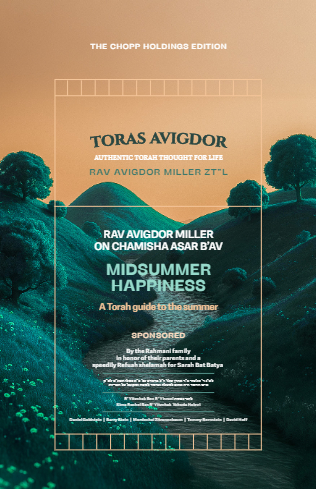
Pelishtim, yes; he was bothered by the Pelishtim. Avimelech wanted to take his wife away. He was bothered by Pharoah too. But the Canaanim didn’t bother him. So why are the Canaanim called enemies? In what way were they our enemies?

The answer is this: They were ideological enemies; they were enemies at the opposite end of the ideological spectrum. Why? Because Avraham was kulo la’Hashem, entirely for Hashem. Everything was for Hashem. It was his life. Yes, he raised cattle. Yes, he lived in the world of gashmiyus, he lived on the adamah too, but he was kulo la’Hashem. Canaan, on the other hand, they were kulo l’adamah. They were the mishpechos h’adama, families of the earth. They lived for the earth.

People of the Land

Now I’ll explain that. Hakadosh Baruch Hu wanted his people to come into Eretz Canaan eventually and have a beautiful country; a land that would be fertile, a country full of gardens. And so the Canaanim got busy; they got to work because they fell in love with land. Canaan was a cham, a nation of the warm outsides, and they cultivated every span of earth. It was being prepared for the Bnei Yisroel and the Canaanim were doing an excellent job. Eretz Yisroel became a ה׳ ןַּ‚ – a garden of Hashem (Breishis 13:10), under the care of the Canaanim.

They specialized in agriculture. They planted all the mountains. They terraced all the hills. Wherever you went, fruit trees were growing. Crops were growing everywhere. There wasn’t a country in the world that had such expert agriculturists as in the land of Canaan.

A Taste of Eretz Yisroel

You know, one of the Canaanite nations was the Chivie and the Gemara says chivie is from the word snake; a snake is called chivie. Why were they called the ‘snake people’? Because ֹמו¿חַל רָפָﬠ ׁ ָ̆חָנ – The snake chews earth (Yeshayahu 65:25). The snake is always testing the earth with its tongue. It flicks out its forked tongue to collect tiny particles from the ground and it uses the Jacobson’s organ, located in the roof of the mouth, to analyze the chemicals in the dirt. That’s how it knows where it is, where its prey is, other things.

The Chivie were the same; they could taste the earth. They picked up the dirt and they used to lick it and they could tell by the taste what crops you want to plant there. They had the ability to know what to plant in every plot of land. Some earth has more alkaline—that’s better for dates and figs—and some is more acidic which is better for wheat. By picking up earth and tasting it they knew exactly what could grow well in this earth or how to fertilize the earth according to its need.

The Canaanim threw all their energy and talents into developing the land and enjoying its produce. They used all their abilities, all their strength, to make the most of the land’s potential. And when the summer came, with its abundance and vitality, they saw it as a season for enjoyment — nothing more. The beauty of spring, the pleasures of summer, the blossoming of nature — to them, that was the goal. The happiness of the season was not a means to something higher; it was the end itself.

On the Other Hand...

Avraham Avinu and his children after him, on the other hand, were the opposite. The Rambam explains in Hilchos Avoda Zara (Perek 1) that Avraham Avinu lived with nature too but he lived very differently; He utilized the adamah but not for itself. He didn’t sit and eat grapes and enjoy the oil and the wheat of the land—he did, but that wasn’t the purpose. He ate normally and lived happily but he didn’t live for that purpose however. Avraham enjoyed the happiness of the world around him and he studied it and he utilized it to achieve Awareness of Hashem and to teach it to others.

That’s what the Rambam explains in the beginning of Hilchos Avoda Zara; that Avraham lived in that same world as Cham, as Canaan, but he utilized it to come closer to Hakadosh Baruch Hu. He studied nature and from nature he came to preach to the world the fact of a great Creator. And wherever he went, he built a mizbei’ach and םָלֹעו ל-≈‡ ה׳ ם≈ׁ ̆¿ּב ‡ָר¿ ̃ƒּיַו — He proclaimed Hashem to the world (Breishis 21:33).

Now, the Canaanim ridiculed that. Avraham was considered crazy to them—a man of spirit is always considered extreme by the materialists. “What’s this with ‘Hashem, ‘Hashem’?” they said. “Just enjoy the good land; enjoy the good food and good weather and the good times.”

Camp Rivalry

So you have now two ideologies here, two opposite camps. On one side are the mishpechos ha’adama, the families of the earth, who appreciate nature only for nature itself. And here, standing on the other side, is Avraham Avinu who saw the world around him as an opportunity to see the grandeur of its Creator.

PDF Preview