Chanukah Two Attitudes
Toras Avigdor | December 03, 2023
Print This Article
View Original PDF

Chanukah Two Attitudes

Toras Avigdor | December 31, 2025

When the Gemara (Shabbos 22b) asks “הָּכֻנֲח י‡ַמ – For which nes did the Chachomim establish Chanukah?” the answer given is that it’s the nes of the shemen, when a little bit of oil miraculously lasted for eight days. You want to know what the yomtov is all about? It’s the miracle of the oil; that’s Chanukah.

When you look in the siddur however, in Al Hanissim, we’re surprised to find that the nes shemen is not mentioned at all. It’s hinted at maybe; after all we say al hanissim – nissim is plural so you could say that the nes shemen is included. Also, we say that when the Chashmonaim rededicated the Beis Hamikdash ָך∆ׁ ̆¿„ָ ̃ ֹ̇רו¿ˆַח¿ּב ֹ̇רו≈נּו ̃יƒל¿„ƒה, they lit the candles in Your holy courtyard. It doesn’t say anything about the miracle but it’s a hint. It should have said ָך¿נָּב¿רָ ּ̃יבוƒר¿ ̃ƒה¿ו, that they brought karbonos. The neiros are certainly an important service in the Mikdash but the karbonos are maybe even more important; there are other things too that are important. And still it’s the neiros that are mentioned – probably it’s because of the nes shemen.

But whatever it is, as many hints as you might find, it doesn't say anything openly about the shemen. It’s talking about gevuros and teshuos and milchamos, about military successes on the battlefield.

The Gratitude Attitude

And so we’ll say as follows. There are two elements in the yomtov of Chanukah. One, the one that we speak about in the davening – you have to know that Modim, in which we say Al Hanissim, is dedicated especially for expressing thanks; that’s the purpose of that brachah and therefore it’s the right place for us to express our gratitude for the fact that we, a very small army, were able to withstand a powerful military opponent like the king of Syria and his army.

It was a tremendous thing! The enemy came with a big army against a peace-loving people who were not prepared for any war and it seemed that the plan to wipe out the entire practice of the Torah chas v’shalom would succeed. Only that Hakadosh Baruch Hu intervened and He gave us victories.

And so while it’s true that the yomtov of Chanukah was established primarily because of the nes shemen, but when it comes to gratitude we won’t be so hardhearted, so ungrateful, as to ignore the miracle of the wars. Chanukah is ל≈ּלַה¿לו ֹ̇ו„ֹהו¿ל, for thanking Hashem, and that means we don’t want to overlook anything.

Even to this day we’re enthralled by that story of our victories on the battlefield; of families hiding in caves in the mountains and men venturing out to attack a much stronger enemy. It was an impossible thing it seemed. And it was impossible; only that Hashem gave us victory. And so we won’t forget that; we won’t ever forget what He did for us. It was a lot of fun when a handful of men under Yehudah Hamacabi rushed forward with swords and hacked down an army that was far more superior to them; and they left a field that was full of dead bodies. We owe a big debt of gratitude to Hashem for that.

Remember the Details

And so we go all out in our expressions of gratitude. When it comes to hakaras hatov it’s important to talk details. Just to say the words לַﬠה∆ּזַה ןַמ¿ּזַּב ם≈הָה יםƒמָּיַּבּנוָל ָ ̇יƒׂ ָ̆ﬠ∆ׁ ̆ יםƒּסƒּנַה, that’s nothing. It’s like paying with a check but you don’t sign it on the bottom. Signing means that you mean it, that there’s actual feelings of gratitude standing behind your words and for that you need to think details – what are the miracles He did for us, that’s the point!

And the greater attention you pay to detail, the greater you are in fulfilling your obligation. That’s why we’ll enumerate: “the strong were given over into the hands of the weak, the many in the hands of the few, the impure into the hands of the pure ones, the wicked in the hands of the righteous.”

‘The stronger enemy fell into our weaker hands’. A small little army, not well armed, not well trained, they were able to overcome a large standing army of a powerful monarch, an army of trained soldiers, people who lived for battle. You have to remember that the enemy’s soldiers weren’t enlisted for a short time; it was a lifetime career. And they started not at eighteen years of age. These were military families where the children grew up in the army; that was their profession, from father to son. As children, they could handle the spear and throw a javelin. They were taught to shoot the bow while running or while riding on horseback.

The Non-Combatants

Our nation however was never a fighting nation. Like Josephus says, “we are not like other predator nations who engage in wars of conquest, in order to enrich themselves from the spoils of their neighbors.” We didn’t do that. We lived a quiet life to ourselves; our people were busy with the plow or with the arts of peace like Torah. And therefore it was a very unequal contest. But the Hand of Hashem was revealed on the battlefield and יםƒׁ ָּ̆לַח „ַי¿ּב יםƒרֹוּבƒּ‚, the strong were given over into the hands of the weak. That’s a big nes! Absolutely Chanukah includes that.

But it wasn’t only strength and military training. The numbers were even more staggeringly unequal. That’s what we say יםƒּטַﬠ¿מ „ַי¿ּב יםƒּבַר, the miracle of a multitude falling into the hands of the few. When it comes to gratitude we have to thank Hakadosh Baruch Hu for that as well. If a few Jews, a ragtag group, can trounce entire military divisions, that’s something.

Righteous Justice

And then we add that it was the „ַי¿ּב יםƒ‡≈מ¿טיםƒ ̃יƒּ„ַˆ „ַי¿ּב יםƒעָׁ ̆¿רּו יםƒרֹהו¿ט – The impure into the hands of the pure and the wicked fell into the hands of the righteous. That’s something else – not only the victory is fun, but it’s a simchah when we see the wicked get their comeuppance, their just deserts. Those whose minds are filled with filth, with impure ideas, should be defeated. Those who act with wickedness should fall in battle; and we like to see that with our own eyes. That they’ll get it in the Next World, we know, but it’s more fun when we can see it in this world too!

Not only were the resha’im defeated, but we thank for the added simcha, the added happiness that they were defeated by tzaddikim. That’s why we go out of our way to say יםƒ ̃יƒּ„ַˆ „ַי¿ּב and יםƒרֹהו¿ט „ַי¿ּב; the wicked were defeated by the righteous! It’s a great happiness to see the tzaddikim win out in this world.

Look, when a rasha is walking in the street and he falls down dead, so we say “Baruch Hashem.” We say, “Baruch Hashem, kein yirbu!” But suppose a rasha would start up with a little tzaddik; he starts up with a chassidishe boy holding a big Mesechta Bava Basra under his arm, a skinny little chassidishe boy. And this little boy takes his little fist or maybe his big Gemara and he gives the rasha a whack over the head and the rasha falls down dead. That’s even better, no question about it! Not only is it a tough brute falling into the hands of a weakling, but it’s יםƒ ̃יƒּ„ַˆ „ַי¿ּב יםƒעָׁ ̆¿ר, the wicked one was felled by the righteous one! That itself is a special simchah!

Kollel Fighters

And not just in the hands of frum righteous Jews; the Jews who were victorious were the kohanim, the ones who learned and taught Torah. ָך∆ ָ̇רֹו ̇ י≈ ̃¿סֹעו „ַי¿ּב – the wicked sinners fell into the hands of those who study Your Torah.

When the battle was won for us on the battlefield, it was won by the Torah teachers. Those whose function is not to fight but yoru mishpatecha leYaakov, to teach the Torah to the Am Yisroel, when they took the sword and the spear and went into battle, it wasn’t their sword that saved us. It was the merit of their avodas Hashem that helped them have the victory. It was their Torah and their righteousness that saved us. That’s an additional detail that we thank for. We are encouraged when the Torah people are the winners in this world. And therefore, ָך∆ ָ̇רֹו ̇ י≈ ̃¿סֹעו „ַי¿ּב יםƒ„≈ז is wonderful! It’s a very big simcha.

And so there’s a lot to be le’hallel u’lehodos about! If you’ll say the tefillah of Al Hanissim slowly and think into the words you’ll find more than my poor words. You’ll find a treasure of details. That’s what Al Hanissim is for; ּינו≈ ֹ̇בוֲ‡ַל ָ ̇יƒׂ ָ̆ﬠ∆ׁ ̆ ֹ̇מוָח¿לƒּמַה לַﬠה∆ּזַה ןַמ¿ּזַּב ם≈הָה יםƒמָּיַּב, to thank for all of those victories. And the end was that הָלֹו„¿ּ‚ הָﬠּוׁ ̆¿ּ ̇ ָ ̇יƒׂ ָ̆ﬠ ל≈‡ָר¿ׂ ̆ƒיָך¿ּמַﬠ¿ל; the Am Yisroel became independent. The Chashmonaim ruled and we were a nation by ourselves for a certain amount of time.

Asking the Sages

But as great as all of those nissim were and as important as it is to express our gratitude for them in our davening, the Chachomim came along and pushed all of that into the background. They want us to know that there is something even bigger than that: הָּכֻנֲח י‡ַמ – What is Chanukah about? לַﬠָהּעו¿בָ ̃ ס≈נ ה∆יז≈‡ – for which nes did they really make Chanukah? (Rashi, ibid.) ןָנָּבַרּנוָּ ̇¿ּ„ – The rabbanan came along and told us what others might not have told us.

That’s an important point; it’s the rabbanan who interpret history for us. We have to learn the secrets of history not from soldiers – even frum soldiers, even pious soldiers. And not from frum rulers, frum politicians – even the ones that are moser nefesh for yiddishkeit, who give their lives for the Torah. They are not the ones.

If you have a frum Jew who is in charge of the state of Eretz Yisroel – a frum Jew with long peyos and he wears a kapoteh too – he’s good only as an administrator, maybe as a general. That's all. But when we want an interpretation of history, when we want to know what’s taking place, someone to tell us the truth of the situation, we can’t ask him. We have to go into the Eitz Chaim Yeshiva or into the Chevron Yeshiva or Ponevezh and ask the roshei yeshivah what’s doing and they'll tell us.

A Separate Ceremony

And therefore when it comes to answering the question הָּכֻנֲח י‡ַמ, we don’t ask anybody except the Chachomim; ןָנָּבַרּנוָּ ̇¿ּ„, that's who we ask. And what do they say? That it’s the nes of the shemen that burned eight days; that’s what Chanukah is. Our Sages want us to know that all of the miracles that took place on the battlefield were overshadowed by the lessons of that little light that burned on and on in the Mikdash.

And because we want to be sure to emphasize the real essence of Chanukah, that’s why we don’t mix the nes of the oil into Al Hanissim. We hint at it but we don’t want to speak about it at length in davening because then it would lose its character as being most important. We defeated the enemy and we also had a miracle of the menorah?! No, no. That would be belittling the lesson of the nes of the oil; you’d be making a mistake about what Chanukah is really about.

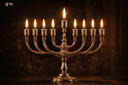
And therefore the nes of Chanukah is played out by itself in our homes. Every night it’s a ceremony that stands out on its own where nothing else but the oil is commemorated in order that we should focus on studying the lesson of the flame.
When the Gemara (Shabbos 22b) asks “הָּכֻנֲח י‡ַמ – For which nes did the Chachomim establish Chanukah?” the answer given is that it’s the nes of the shemen, when a little bit of oil miraculously lasted for eight days. You want to know what the yomtov is all about? It’s the miracle of the oil; that’s Chanukah.

When you look in the siddur however, in Al Hanissim, we’re surprised to find that the nes shemen is not mentioned at all. It’s hinted at maybe; after all we say al hanissim – nissim is plural so you could say that the nes shemen is included. Also, we say that when the Chashmonaim rededicated the Beis Hamikdash ָך∆ׁ ̆¿„ָ ̃ ֹ̇רו¿ˆַח¿ּב ֹ̇רו≈נּו ̃יƒל¿„ƒה, they lit the candles in Your holy courtyard. It doesn’t say anything about the miracle but it’s a hint. It should have said ָך¿נָּב¿רָ ּ̃יבוƒר¿ ̃ƒה¿ו, that they brought karbonos. The neiros are certainly an important service in the Mikdash but the karbonos are maybe even more important; there are other things too that are important. And still it’s the neiros that are mentioned – probably it’s because of the nes shemen.

But whatever it is, as many hints as you might find, it doesn't say anything openly about the shemen. It’s talking about gevuros and teshuos and milchamos, about military successes on the battlefield.

The Gratitude Attitude

And so we’ll say as follows. There are two elements in the yomtov of Chanukah. One, the one that we speak about in the davening – you have to know that Modim, in which we say Al Hanissim, is dedicated especially for expressing thanks; that’s the purpose of that brachah and therefore it’s the right place for us to express our gratitude for the fact that we, a very small army, were able to withstand a powerful military opponent like the king of Syria and his army.

It was a tremendous thing! The enemy came with a big army against a peace-loving people who were not prepared for any war and it seemed that the plan to wipe out the entire practice of the Torah chas v’shalom would succeed. Only that Hakadosh Baruch Hu intervened and He gave us victories.

And so while it’s true that the yomtov of Chanukah was established primarily because of the nes shemen, but when it comes to gratitude we won’t be so hardhearted, so ungrateful, as to ignore the miracle of the wars. Chanukah is ל≈ּלַה¿לו ֹ̇ו„ֹהו¿ל, for thanking Hashem, and that means we don’t want to overlook anything.

Even to this day we’re enthralled by that story of our victories on the battlefield; of families hiding in caves in the mountains and men venturing out to attack a much stronger enemy. It was an impossible thing it seemed. And it was impossible; only that Hashem gave us victory. And so we won’t forget that; we won’t ever forget what He did for us. It was a lot of fun when a handful of men under Yehudah Hamacabi rushed forward with swords and hacked down an army that was far more superior to them; and they left a field that was full of dead bodies. We owe a big debt of gratitude to Hashem for that.

Remember the Details

And so we go all out in our expressions of gratitude. When it comes to hakaras hatov it’s important to talk details. Just to say the words לַﬠה∆ּזַה ןַמ¿ּזַּב ם≈הָה יםƒמָּיַּבּנוָל ָ ̇יƒׂ ָ̆ﬠ∆ׁ ̆ יםƒּסƒּנַה, that’s nothing. It’s like paying with a check but you don’t sign it on the bottom. Signing means that you mean it, that there’s actual feelings of gratitude standing behind your words and for that you need to think details – what are the miracles He did for us, that’s the point!

And the greater attention you pay to detail, the greater you are in fulfilling your obligation. That’s why we’ll enumerate: “the strong were given over into the hands of the weak, the many in the hands of the few, the impure into the hands of the pure ones, the wicked in the hands of the righteous.”

‘The stronger enemy fell into our weaker hands’. A small little army, not well armed, not well trained, they were able to overcome a large standing army of a powerful monarch, an army of trained soldiers, people who lived for battle. You have to remember that the enemy’s soldiers weren’t enlisted for a short time; it was a lifetime career. And they started not at eighteen years of age. These were military families where the children grew up in the army; that was their profession, from father to son. As children, they could handle the spear and throw a javelin. They were taught to shoot the bow while running or while riding on horseback.

The Non-Combatants

Our nation however was never a fighting nation. Like Josephus says, “we are not like other predator nations who engage in wars of conquest, in order to enrich themselves from the spoils of their neighbors.” We didn’t do that. We lived a quiet life to ourselves; our people were busy with the plow or with the arts of peace like Torah. And therefore it was a very unequal contest. But the Hand of Hashem was revealed on the battlefield and יםƒׁ ָּ̆לַח „ַי¿ּב יםƒרֹוּבƒּ‚, the strong were given over into the hands of the weak. That’s a big nes! Absolutely Chanukah includes that.

But it wasn’t only strength and military training. The numbers were even more staggeringly unequal. That’s what we say יםƒּטַﬠ¿מ „ַי¿ּב יםƒּבַר, the miracle of a multitude falling into the hands of the few. When it comes to gratitude we have to thank Hakadosh Baruch Hu for that as well. If a few Jews, a ragtag group, can trounce entire military divisions, that’s something.

Righteous Justice

And then we add that it was the „ַי¿ּב יםƒ‡≈מ¿טיםƒ ̃יƒּ„ַˆ „ַי¿ּב יםƒעָׁ ̆¿רּו יםƒרֹהו¿ט – The impure into the hands of the pure and the wicked fell into the hands of the righteous. That’s something else – not only the victory is fun, but it’s a simchah when we see the wicked get their comeuppance, their just deserts. Those whose minds are filled with filth, with impure ideas, should be defeated. Those who act with wickedness should fall in battle; and we like to see that with our own eyes. That they’ll get it in the Next World, we know, but it’s more fun when we can see it in this world too!

Not only were the resha’im defeated, but we thank for the added simcha, the added happiness that they were defeated by tzaddikim. That’s why we go out of our way to say יםƒ ̃יƒּ„ַˆ „ַי¿ּב and יםƒרֹהו¿ט „ַי¿ּב; the wicked were defeated by the righteous! It’s a great happiness to see the tzaddikim win out in this world.

Look, when a rasha is walking in the street and he falls down dead, so we say “Baruch Hashem.” We say, “Baruch Hashem, kein yirbu!” But suppose a rasha would start up with a little tzaddik; he starts up with a chassidishe boy holding a big Mesechta Bava Basra under his arm, a skinny little chassidishe boy. And this little boy takes his little fist or maybe his big Gemara and he gives the rasha a whack over the head and the rasha falls down dead. That’s even better, no question about it! Not only is it a tough brute falling into the hands of a weakling, but it’s יםƒ ̃יƒּ„ַˆ „ַי¿ּב יםƒעָׁ ̆¿ר, the wicked one was felled by the righteous one! That itself is a special simchah!

Kollel Fighters

And not just in the hands of frum righteous Jews; the Jews who were victorious were the kohanim, the ones who learned and taught Torah. ָך∆ ָ̇רֹו ̇ י≈ ̃¿סֹעו „ַי¿ּב – the wicked sinners fell into the hands of those who study Your Torah.

When the battle was won for us on the battlefield, it was won by the Torah teachers. Those whose function is not to fight but yoru mishpatecha leYaakov, to teach the Torah to the Am Yisroel, when they took the sword and the spear and went into battle, it wasn’t their sword that saved us. It was the merit of their avodas Hashem that helped them have the victory. It was their Torah and their righteousness that saved us. That’s an additional detail that we thank for. We are encouraged when the Torah people are the winners in this world. And therefore, ָך∆ ָ̇רֹו ̇ י≈ ̃¿סֹעו „ַי¿ּב יםƒ„≈ז is wonderful! It’s a very big simcha.

And so there’s a lot to be le’hallel u’lehodos about! If you’ll say the tefillah of Al Hanissim slowly and think into the words you’ll find more than my poor words. You’ll find a treasure of details. That’s what Al Hanissim is for; ּינו≈ ֹ̇בוֲ‡ַל ָ ̇יƒׂ ָ̆ﬠ∆ׁ ̆ ֹ̇מוָח¿לƒּמַה לַﬠה∆ּזַה ןַמ¿ּזַּב ם≈הָה יםƒמָּיַּב, to thank for all of those victories. And the end was that הָלֹו„¿ּ‚ הָﬠּוׁ ̆¿ּ ̇ ָ ̇יƒׂ ָ̆ﬠ ל≈‡ָר¿ׂ ̆ƒיָך¿ּמַﬠ¿ל; the Am Yisroel became independent. The Chashmonaim ruled and we were a nation by ourselves for a certain amount of time.

Asking the Sages

But as great as all of those nissim were and as important as it is to express our gratitude for them in our davening, the Chachomim came along and pushed all of that into the background. They want us to know that there is something even bigger than that: הָּכֻנֲח י‡ַמ – What is Chanukah about? לַﬠָהּעו¿בָ ̃ ס≈נ ה∆יז≈‡ – for which nes did they really make Chanukah? (Rashi, ibid.) ןָנָּבַרּנוָּ ̇¿ּ„ – The rabbanan came along and told us what others might not have told us.

That’s an important point; it’s the rabbanan who interpret history for us. We have to learn the secrets of history not from soldiers – even frum soldiers, even pious soldiers. And not from frum rulers, frum politicians – even the ones that are moser nefesh for yiddishkeit, who give their lives for the Torah. They are not the ones.

If you have a frum Jew who is in charge of the state of Eretz Yisroel – a frum Jew with long peyos and he wears a kapoteh too – he’s good only as an administrator, maybe as a general. That's all. But when we want an interpretation of history, when we want to know what’s taking place, someone to tell us the truth of the situation, we can’t ask him. We have to go into the Eitz Chaim Yeshiva or into the Chevron Yeshiva or Ponevezh and ask the roshei yeshivah what’s doing and they'll tell us.

A Separate Ceremony

And therefore when it comes to answering the question הָּכֻנֲח י‡ַמ, we don’t ask anybody except the Chachomim; ןָנָּבַרּנוָּ ̇¿ּ„, that's who we ask. And what do they say? That it’s the nes of the shemen that burned eight days; that’s what Chanukah is. Our Sages want us to know that all of the miracles that took place on the battlefield were overshadowed by the lessons of that little light that burned on and on in the Mikdash.

And because we want to be sure to emphasize the real essence of Chanukah, that’s why we don’t mix the nes of the oil into Al Hanissim. We hint at it but we don’t want to speak about it at length in davening because then it would lose its character as being most important. We defeated the enemy and we also had a miracle of the menorah?! No, no. That would be belittling the lesson of the nes of the oil; you’d be making a mistake about what Chanukah is really about.

And therefore the nes of Chanukah is played out by itself in our homes. Every night it’s a ceremony that stands out on its own where nothing else but the oil is commemorated in order that we should focus on studying the lesson of the flame.

PDF Preview