The Fifth Night Of Chanukah Story
Print This Article
View Original PDF

The Fifth Night Of Chanukah Story

Hama'aseh Hu Haikar | June 27, 2025

As told by Rabbi Moshe-Chaim Greenwald to the editor of Kfar Chabad Magazine

Although I am not a Lubavitcher, I feel it is important for people to share their personal stories about the Rebbe, so that we and our children can know more about the great spiritual presence that lived among us. We always kept this story within the family, but now, after the passing of our holy Leader, I feel obligated to make it public. May the merit of our belief in tzaddikim bring us closer to the Redemption that the Rebbe worked his whole life to bring.

My father, Rabbi Abraham-Tzvi Greenwald, was born in Lodz. Poland. His father died when he was only eight years old, leaving his mother alone with seven young orphans. She sent my father to live with her cousin, Rabbi Menachem Zemba, a famous Talmudic scholar in pre-war Warsaw. Rabbi Zemba raised him devotedly, took responsibility for his education, and even studied with him personally.

On the fourteenth of Kislev, 5689 [1928], Rabbi Menachem-Mendel Schneerson married Rebbetzin Chaya-Mushka, the daughter of the sixth Lubavitcher Rebbe, Rabbi Yosef-Yitzchak Schneersohn. The "great wedding" in Warsaw was attended by the Chasidic masters and great leaders of Polish Jewry, including Rabbi Zemba.

Rabbi Zemba was quite taken by the Lubavitcher Rebbe's new son-in-law, and wanted to meet with him personally. He arranged to visit the Rebbe at his hotel, taking along my father, who was then 17.

The two scholars had a lively discussion on many issues throughout the Talmud. Rabbi Zemba was very impressed and spoke about their encounter for many years afterwards.

When Rabbi Zemba was ready to leave, the Rebbe suddenly turned to my father and said: "There are only a few days left until Chanukah. Do you know why it is customary in Chassidic shuls to celebrate and make special parties on the fifth night of Chanukah?"

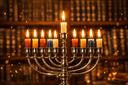
My father was not aware of this custom or its reason, nor was Rabbi Zemba, who looked intently at the Rebbe, waiting for his answer. The Rebbe continued, still addressing my father: "It happens that the fifth day of Chanukah can never occur on a Shabbat. This represents great darkness [such that even the great holiness of Shabbat cannot penetrate]. The fifth candle symbolizes that the light of Chanukah can illuminate even such intense darkness. This is the duty of every Jew, wherever he may find himself, be it in Warsaw or in London, to illuminate even the greatest darkness."

Years passed. The tragedy of the Holocaust hit Polish Jewry. My father went through its horrors, first in the ghetto and then in the death camps. His first wife and five children were killed in front of his eyes. At the end of the war, he was still alive, thank G-d, but broken in body and spirit.

For two years he circulated among the DP camps looking for surviving family members. Alas, all his sisters, brothers and family had been murdered. In 1948 he emigrated to America, settling in Philadelphia, where his uncle, Moshe-Chaim Greenwald, lived. His uncle, an Amshinover chassid who had moved there before World War I, welcomed him with open arms and tried to rehabilitate him and help him start a new life after his terrible holocaust trauma.

His uncle and the Amshinover Rebbe pressured my father to meet my mother, who also lived through the war. My mother, a daughter of Reb Zushe Zinkovitz of Cracow, a chassid of the Rebbe of Alexander, had managed to escape with her sister at the beginning of the war, wandering from country to country until they came to Canada. They were raised by their great-uncle, Reb Koppel Schwartz, a prestigious Jew in Toronto.

My father needed encouragement and confidence for his second marriage, so Reb Koppel traveled with him to New York to receive the previous Lubavitcher Rebbe's blessing. Reb Koppel told the Rebbe that my father was a holocaust survivor who lost his whole family. The Rebbe's eyes began to tear. He then blessed my father to build a family and live a long life.

Before leaving, my father mentioned that he had attended the Rebbe's daughter's wedding in Warsaw. The Rebbe's eyes lit up, and he said: "Since you were at my son-in-law's wedding, it would be proper to stop in and visit him, too."

Reb Koppel and my father went downstairs to the Rebbe's office. To my father's great surprise, the Rebbe instantly recognized him from his visit almost twenty years before. The Rebbe asked him about Rabbi Zemba's last days. He heard that he had been killed in the Warsaw Ghetto uprising, but did not know the details.

After my father related all that he knew, the Rebbe said: "Since my father-in-law, the Rebbe, told you to come visit me, I must tell you a Torah concept. We are now in the month of Kislev, close to Chanukah. It happens that the fifth day of Chanukah can never occur on a Shabbos. This represents a great darkness. The fifth candle thus symbolizes the great light of Chanukah, which can illuminate even such an intense darkness. That is why the joy on this night is so immense. It is the duty of every Jew, wherever he may find himself, be it in New York or London, to illuminate even the greatest darkness."

My father was stunned. The exact same insight came back to him, word for word, as the Rebbe had told it to him 20 years before in the Warsaw hotel.

After getting married, my father served as a teacher and rabbi for the Adath Israel congregation in Washington Heights, New York. My sister and I were born there. When I was five years old, we moved to Toronto where Reb Koppel had found him a position in a Satmar Yeshiva. My younger brother was born there. Although my father's attitudes became close to those of Satmar and he sent us to study in schools and yeshivas close to their approach, he still respected the Rebbe and always spoke of him to us with the highest regard.

Before my marriage in 1968, my father said that although we were not Lubavitch chassidim, he wanted me to receive the Lubavicher Rebbe's blessing before my wedding, just as he had done before his. It was not easy to schedule an appointment with the Rebbe without waiting for months because of his busy schedule. My father pleaded with the Rebbe's secretariat to allow me in for a blessing, until finally it was agreed to let us in before the wedding, but only for a blessing - no other discussion.
As told by Rabbi Moshe-Chaim Greenwald to the editor of Kfar Chabad Magazine

Although I am not a Lubavitcher, I feel it is important for people to share their personal stories about the Rebbe, so that we and our children can know more about the great spiritual presence that lived among us. We always kept this story within the family, but now, after the passing of our holy Leader, I feel obligated to make it public. May the merit of our belief in tzaddikim bring us closer to the Redemption that the Rebbe worked his whole life to bring.

My father, Rabbi Abraham-Tzvi Greenwald, was born in Lodz. Poland. His father died when he was only eight years old, leaving his mother alone with seven young orphans. She sent my father to live with her cousin, Rabbi Menachem Zemba, a famous Talmudic scholar in pre-war Warsaw. Rabbi Zemba raised him devotedly, took responsibility for his education, and even studied with him personally.

On the fourteenth of Kislev, 5689 [1928], Rabbi Menachem-Mendel Schneerson married Rebbetzin Chaya-Mushka, the daughter of the sixth Lubavitcher Rebbe, Rabbi Yosef-Yitzchak Schneersohn. The "great wedding" in Warsaw was attended by the Chasidic masters and great leaders of Polish Jewry, including Rabbi Zemba.

Rabbi Zemba was quite taken by the Lubavitcher Rebbe's new son-in-law, and wanted to meet with him personally. He arranged to visit the Rebbe at his hotel, taking along my father, who was then 17.

The two scholars had a lively discussion on many issues throughout the Talmud. Rabbi Zemba was very impressed and spoke about their encounter for many years afterwards.

When Rabbi Zemba was ready to leave, the Rebbe suddenly turned to my father and said: "There are only a few days left until Chanukah. Do you know why it is customary in Chassidic shuls to celebrate and make special parties on the fifth night of Chanukah?"

My father was not aware of this custom or its reason, nor was Rabbi Zemba, who looked intently at the Rebbe, waiting for his answer. The Rebbe continued, still addressing my father: "It happens that the fifth day of Chanukah can never occur on a Shabbat. This represents great darkness [such that even the great holiness of Shabbat cannot penetrate]. The fifth candle symbolizes that the light of Chanukah can illuminate even such intense darkness. This is the duty of every Jew, wherever he may find himself, be it in Warsaw or in London, to illuminate even the greatest darkness."

Years passed. The tragedy of the Holocaust hit Polish Jewry. My father went through its horrors, first in the ghetto and then in the death camps. His first wife and five children were killed in front of his eyes. At the end of the war, he was still alive, thank G-d, but broken in body and spirit.

For two years he circulated among the DP camps looking for surviving family members. Alas, all his sisters, brothers and family had been murdered. In 1948 he emigrated to America, settling in Philadelphia, where his uncle, Moshe-Chaim Greenwald, lived. His uncle, an Amshinover chassid who had moved there before World War I, welcomed him with open arms and tried to rehabilitate him and help him start a new life after his terrible holocaust trauma.

His uncle and the Amshinover Rebbe pressured my father to meet my mother, who also lived through the war. My mother, a daughter of Reb Zushe Zinkovitz of Cracow, a chassid of the Rebbe of Alexander, had managed to escape with her sister at the beginning of the war, wandering from country to country until they came to Canada. They were raised by their great-uncle, Reb Koppel Schwartz, a prestigious Jew in Toronto.

My father needed encouragement and confidence for his second marriage, so Reb Koppel traveled with him to New York to receive the previous Lubavitcher Rebbe's blessing. Reb Koppel told the Rebbe that my father was a holocaust survivor who lost his whole family. The Rebbe's eyes began to tear. He then blessed my father to build a family and live a long life.

Before leaving, my father mentioned that he had attended the Rebbe's daughter's wedding in Warsaw. The Rebbe's eyes lit up, and he said: "Since you were at my son-in-law's wedding, it would be proper to stop in and visit him, too."

Reb Koppel and my father went downstairs to the Rebbe's office. To my father's great surprise, the Rebbe instantly recognized him from his visit almost twenty years before. The Rebbe asked him about Rabbi Zemba's last days. He heard that he had been killed in the Warsaw Ghetto uprising, but did not know the details.

After my father related all that he knew, the Rebbe said: "Since my father-in-law, the Rebbe, told you to come visit me, I must tell you a Torah concept. We are now in the month of Kislev, close to Chanukah. It happens that the fifth day of Chanukah can never occur on a Shabbos. This represents a great darkness. The fifth candle thus symbolizes the great light of Chanukah, which can illuminate even such an intense darkness. That is why the joy on this night is so immense. It is the duty of every Jew, wherever he may find himself, be it in New York or London, to illuminate even the greatest darkness."

My father was stunned. The exact same insight came back to him, word for word, as the Rebbe had told it to him 20 years before in the Warsaw hotel.

After getting married, my father served as a teacher and rabbi for the Adath Israel congregation in Washington Heights, New York. My sister and I were born there. When I was five years old, we moved to Toronto where Reb Koppel had found him a position in a Satmar Yeshiva. My younger brother was born there. Although my father's attitudes became close to those of Satmar and he sent us to study in schools and yeshivas close to their approach, he still respected the Rebbe and always spoke of him to us with the highest regard.

Before my marriage in 1968, my father said that although we were not Lubavitch chassidim, he wanted me to receive the Lubavicher Rebbe's blessing before my wedding, just as he had done before his. It was not easy to schedule an appointment with the Rebbe without waiting for months because of his busy schedule. My father pleaded with the Rebbe's secretariat to allow me in for a blessing, until finally it was agreed to let us in before the wedding, but only for a blessing - no other discussion.
PDF Preview