The Table as an Altar of Atonement
Shvilei Pinchas | April 04, 2025
Print This Article
View Original PDF

The Table as an Altar of Atonement

Shvilei Pinchas | June 27, 2025

רבי ,בשלחן וסיים במזבח פתח ,'ה לפני אשר השלחן זה אלי וידבר וכתיב מכפר מזבח קיים המקדש שבית זמן כל ,תרוייהו דאמרי אלעזר ורבי יוחנן "עליו מכפר אדם של שלחנו ועכשיו ,ישראל על—for it is written (Yechezkel 41, 22): “The mizbeiach was of wood, three cubits high,” and it is written (later on in the passuk): “He said to me, ‘This is the Shulchan that is before Hashem.” It begins by mentioning the mizbeiach but concludes by mentioning the Shulchan. Both Rabbi Yochanan and Rabbi Elazar said: The entire time that the Beis HaMikdash was extant, the mizbeiach would atone for Yisrael; but now, a man’s table (shulchan) atones for him.

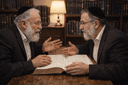
Let us clarify this statement based on the halachah cited above from the michaber: Whatever a person derives pleasure from in Olam HaZeh, he should not do so for his own pleasure but rather for the service of the blessed Creator, as it is written: “In all your endeavors know (emulate) Him.” Thus, a Jew who eats l’shem shamayim and not merely to satisfy his hunger and cravings is sanctifying the esophagus and connecting with HKB”H—“the head of Bnei Yisrael.” Additionally, a Jew must speak words of Torah at his table to sanctify the trachea. We find a related teaching in the Mishnah (Avos 3, 3): אכלו כאילו ,תורה דברי עליו אמרו ולא אחד שלחן על שאכלו שלשה" ,תורה דברי עליו ואמרו אחד שלחן על שאכלו שלשה אבל ...מתים מזבחי השלחן זה אלי וידבר שנאמר ,הוא ברוך מקום של משלחנו אכלו כאילו ." 'ה לפני אשר Three people who ate at the same table and did not speak divrei-Torah at the table, it is as if they had eaten of offerings to the dead . . . But three people who ate at the same table and did speak divrei-Torah at the table, it is as if they had eaten at the table of the Omnipresent, Blessed is He, as it is said: “And he said to me, ‘This is the table that is before Hashem.’”

This coincides magnificently with what we have discussed. The avodahs in the Beis HaMikdash involving the kindling of the Menorah and the “lechem hapanim” on the Shulchan function like a spiritual trachea and esophagus to connect Yisrael with HKB”H— "ישראל בני ראש". The mizbeiach was interposed between them to atone for flaws related to the trachea and esophagus. Therefore, even today, when we do not have a Beis HaMikdash, a Jew’s table atones for him in lieu of the mizbeiach. To receive this atonement, he must eat l’shem shamayim and sacrifice all of his eating-related cravings. This is comparable to the “lechem hapanim” placed upon the Shulchan, which was consumed by the kohanim l’shem shamayim. He must also speak words of Torah at his table, which is comparable to the kindling of the Menorah disseminating the light of the Torah. By fulfilling these two criteria, a Jew’s “shulchan” atones for him like the mizbeiach.

רבי ,בשלחן וסיים במזבח פתח ,'ה לפני אשר השלחן זה אלי וידבר וכתיב מכפר מזבח קיים המקדש שבית זמן כל ,תרוייהו דאמרי אלעזר ורבי יוחנן "עליו מכפר אדם של שלחנו ועכשיו ,ישראל על—for it is written (Yechezkel 41, 22): “The mizbeiach was of wood, three cubits high,” and it is written (later on in the passuk): “He said to me, ‘This is the Shulchan that is before Hashem.” It begins by mentioning the mizbeiach but concludes by mentioning the Shulchan. Both Rabbi Yochanan and Rabbi Elazar said: The entire time that the Beis HaMikdash was extant, the mizbeiach would atone for Yisrael; but now, a man’s table (shulchan) atones for him.

Let us clarify this statement based on the halachah cited above from the michaber: Whatever a person derives pleasure from in Olam HaZeh, he should not do so for his own pleasure but rather for the service of the blessed Creator, as it is written: “In all your endeavors know (emulate) Him.” Thus, a Jew who eats l’shem shamayim and not merely to satisfy his hunger and cravings is sanctifying the esophagus and connecting with HKB”H—“the head of Bnei Yisrael.” Additionally, a Jew must speak words of Torah at his table to sanctify the trachea. We find a related teaching in the Mishnah (Avos 3, 3): אכלו כאילו ,תורה דברי עליו אמרו ולא אחד שלחן על שאכלו שלשה" ,תורה דברי עליו ואמרו אחד שלחן על שאכלו שלשה אבל ...מתים מזבחי השלחן זה אלי וידבר שנאמר ,הוא ברוך מקום של משלחנו אכלו כאילו ." 'ה לפני אשר Three people who ate at the same table and did not speak divrei-Torah at the table, it is as if they had eaten of offerings to the dead . . . But three people who ate at the same table and did speak divrei-Torah at the table, it is as if they had eaten at the table of the Omnipresent, Blessed is He, as it is said: “And he said to me, ‘This is the table that is before Hashem.’”

This coincides magnificently with what we have discussed. The avodahs in the Beis HaMikdash involving the kindling of the Menorah and the “lechem hapanim” on the Shulchan function like a spiritual trachea and esophagus to connect Yisrael with HKB”H— "ישראל בני ראש". The mizbeiach was interposed between them to atone for flaws related to the trachea and esophagus. Therefore, even today, when we do not have a Beis HaMikdash, a Jew’s table atones for him in lieu of the mizbeiach. To receive this atonement, he must eat l’shem shamayim and sacrifice all of his eating-related cravings. This is comparable to the “lechem hapanim” placed upon the Shulchan, which was consumed by the kohanim l’shem shamayim. He must also speak words of Torah at his table, which is comparable to the kindling of the Menorah disseminating the light of the Torah. By fulfilling these two criteria, a Jew’s “shulchan” atones for him like the mizbeiach.

PDF Preview