Giving of the Torah and the Public Torah Reading
Parsha Pages | February 13, 2025
Print This Article
View Original PDF

Giving of the Torah and the Public Torah Reading

Parsha Pages | June 27, 2025

GIVING OF THE TORAH AND THE PUBLIC TORAH READING

SOURCES

The Talmud Yerushalmi (Megilla 4:1) draws a comparison between public Torah reading and the giving of the Torah at Mount Sinai:

R. Shemuel bar R. Yitzchak entered a synagogue. A certain person rose up and translated the reading near a pillar [leaning against the pillar]. He said to him: This is forbidden. Just as the Torah was given in dread and fear, so must we must handle it with dread and fear.

The Zohar haKodesh also compared the public Torah reading and the giving of the Torah. All involved including the congregation need to have the proper intention and respect just as when the Torah was given with dread and awe.

R. Soloveitchik also stated that a public Torah reading is like a giving of the Torah:

Public Torah reading is identical to the experience of standing before the Shekhina as at the giving of the Torah at Mount Sinai. This phenomenon is a reenactment of the encounter between the Holy One, blessed is He, and the people of Israel... When the people hear the reading, they must imagine as if the Torah was just given at Sinai. (Shiurim Le-Zekher Abba Mari, vol. 2, p. 210)

Public Torah reading is not intended just for the sake of learning [Torah], but also for the sake of arranging a meeting with God, as what happened with our forefathers at Sinai. Each and every reading is tantamount to a new giving of the Torah, a resurrection of that miraculous event at the foot of the fiery mountain. This reading of the Torah contains the element of "today" in the giving of the Torah and a renewal of that awesome and elevated experience. The experience of revelation is continually repeated every time that a Torah scroll is removed [from the ark]. (U-Vikashtem Mi-Sham, ch. 19)

HALACHAH

The Rosh states that the person who is called up should say each word of the Torah reading to avoid having his blessing before and after blessings in vain. The Tur states it is an obligation.

However, many opinions refrain from saying the words of the Torah portion to avoid having two voices of the reading preventing proper hearing of the Torah portion based on the reading of the Zohar to be quiet during the public Torah reading. Plus, the reader is as if standing in the place of HaShem at Matan Torah and all the Jews were quite listening to the Giving of the Aseres haDibros.

During the reading, the person who is called up must read each and every word quietly along with the Torah reader. Since he is the one who recited the blessing on the Torah, if he does not read it himself, there is concern that his blessings will have been recited in vain (Shulchan Aruch Orach Chaim 141:2).

In extenuating circumstances, even a person who does not know how to read, or a person who is blind, can be called up to the Torah, despite the fact that it is the opinion of the Shulchan Aruch (139:3) not to call up a person who is incapable of reading the written words along with the Torah reader. Nevertheless, the Rama rules like the lenient opinion, and even in Sephardic congregations it has been customary in extenuating circumstances to act leniently regarding this matter (see Kaf HaChaim 135:16; Yalkut Yosef, part 3, 139:4).

Rav Yaakov Emden (שאילת יעב"ץ ח"א סי' ע"ה) answers that שומע כעונה indicates that it is considered as though one read the words that were read by another but krias hatorah requires one to read from the Torah and שומע כעונה cannot make it as though one read the words inside.

Mishnah Berru states “Our custom is that the ba’al koreh reads even if the one who received the aliyah is capable of reading himself in order to avoid embarrassing those who cannot read and to avoid allowing people who think they can read but are not precise which could lead to fighting. (M.B. 8) Even though it is preferable for one not to hear himself if he does he has fulfilled the mitzvah. (M.B. 13).

There is also a custom in certain places that everyone reads quietly from their Chumash along with the Reader.
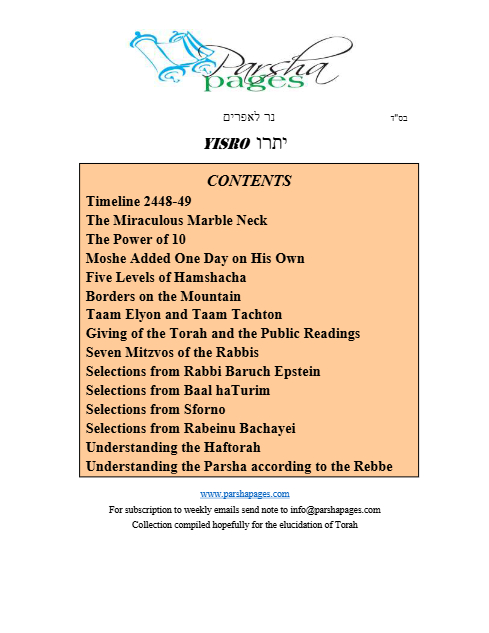

GIVING OF THE TORAH AND THE PUBLIC TORAH READING

SOURCES

The Talmud Yerushalmi (Megilla 4:1) draws a comparison between public Torah reading and the giving of the Torah at Mount Sinai:

R. Shemuel bar R. Yitzchak entered a synagogue. A certain person rose up and translated the reading near a pillar [leaning against the pillar]. He said to him: This is forbidden. Just as the Torah was given in dread and fear, so must we must handle it with dread and fear.

The Zohar haKodesh also compared the public Torah reading and the giving of the Torah. All involved including the congregation need to have the proper intention and respect just as when the Torah was given with dread and awe.

R. Soloveitchik also stated that a public Torah reading is like a giving of the Torah:

Public Torah reading is identical to the experience of standing before the Shekhina as at the giving of the Torah at Mount Sinai. This phenomenon is a reenactment of the encounter between the Holy One, blessed is He, and the people of Israel... When the people hear the reading, they must imagine as if the Torah was just given at Sinai. (Shiurim Le-Zekher Abba Mari, vol. 2, p. 210)

Public Torah reading is not intended just for the sake of learning [Torah], but also for the sake of arranging a meeting with God, as what happened with our forefathers at Sinai. Each and every reading is tantamount to a new giving of the Torah, a resurrection of that miraculous event at the foot of the fiery mountain. This reading of the Torah contains the element of "today" in the giving of the Torah and a renewal of that awesome and elevated experience. The experience of revelation is continually repeated every time that a Torah scroll is removed [from the ark]. (U-Vikashtem Mi-Sham, ch. 19)

HALACHAH

The Rosh states that the person who is called up should say each word of the Torah reading to avoid having his blessing before and after blessings in vain. The Tur states it is an obligation.

However, many opinions refrain from saying the words of the Torah portion to avoid having two voices of the reading preventing proper hearing of the Torah portion based on the reading of the Zohar to be quiet during the public Torah reading. Plus, the reader is as if standing in the place of HaShem at Matan Torah and all the Jews were quite listening to the Giving of the Aseres haDibros.

During the reading, the person who is called up must read each and every word quietly along with the Torah reader. Since he is the one who recited the blessing on the Torah, if he does not read it himself, there is concern that his blessings will have been recited in vain (Shulchan Aruch Orach Chaim 141:2).

In extenuating circumstances, even a person who does not know how to read, or a person who is blind, can be called up to the Torah, despite the fact that it is the opinion of the Shulchan Aruch (139:3) not to call up a person who is incapable of reading the written words along with the Torah reader. Nevertheless, the Rama rules like the lenient opinion, and even in Sephardic congregations it has been customary in extenuating circumstances to act leniently regarding this matter (see Kaf HaChaim 135:16; Yalkut Yosef, part 3, 139:4).

Rav Yaakov Emden (שאילת יעב"ץ ח"א סי' ע"ה) answers that שומע כעונה indicates that it is considered as though one read the words that were read by another but krias hatorah requires one to read from the Torah and שומע כעונה cannot make it as though one read the words inside.

Mishnah Berru states “Our custom is that the ba’al koreh reads even if the one who received the aliyah is capable of reading himself in order to avoid embarrassing those who cannot read and to avoid allowing people who think they can read but are not precise which could lead to fighting. (M.B. 8) Even though it is preferable for one not to hear himself if he does he has fulfilled the mitzvah. (M.B. 13).

There is also a custom in certain places that everyone reads quietly from their Chumash along with the Reader.

PDF Preview
