Working Hard
Torah Wellsprings | June 18, 2024
Print This Article
View Original PDF

Working Hard

Torah Wellsprings | June 27, 2025

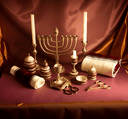
It states (8:4) עד ירכה עד זהב מקשה המנרה מעשה וזה את עשה כן משה את 'ה הראה אשר כמראה הוא מקשה פרחה המנרה. This pasuk teaches how the menorah should be made, such as that all details of the menorah should be made from one piece of gold. We wonder why this pasuk is written in this week's parashah. This parashah discusses lighting the menorah and not its construction. The details of how to build the menorah are discussed in parashas Teruma, so why is this pasuk written here, in parashas Behaloscha?

The Chidushei HaRim zt’l answers that the Torah wants us to know that the light of the menorah comes from hard work. The light of the menorah represents the light of spiritually one can experience when he is involved in Torah and avodas Hashem. The Torah tells us that this light can be attained when one works hard and invests all his efforts in avodas Hashem. This is because it states in the pasuk ...היא מקשה ...זהב מקשה. Rashi explains that מקשה means hammered, since the menorah was made from one piece of gold and it was hammered into shape. מקשה also can be translated as questions. Chazal (Bamidbar Rabba 15:10) say, במעשה משה נתקשה המנורה, “Moshe didn’t understand how the menorah should be made..." He toiled to understand how the menorah should be made but didn’t succeed. Hashem told Moshe to throw the block of gold into a fire, and the menorah came out, ready-made. As Rashi writes (8:4), מעליה נעשית ה"הקב ידי על, “The menorah was made by itself, by Hakadosh Baruch Hu.”

The Chidushei HaRim zt'l explains that Moshe’s toil to understand the menorah brought out its light because the light of avodas Hashem emerges from struggles and toil. Therefore, we shouldn’t be frightened by the toil we encounter in avodas Hashem because these hardships are the gateway to finding the unlimited pleasurable, spiritual light that is there.

There was a soldier in Czar Nicholai's army who would spend a lot of time in the bar. When his money ran out, he gave the bartender his weapons as collateral and said, "When I have money, I will pay you and take back my weapons." But for the meanwhile, the weapons were at the bar. The problem arose when Czar Nicholai visited the army base to check on the soldiers. The soldier carried a large bag as though he had his weapon inside it. This wasn't conspicuous because many soldiers held their weapons in bags. Overall, the Czar was pleased with the order and discipline he saw in the camp, but then he called over this soldier and asked him to open his bag. It was filled with straw. He was punished severely.

Rebbe Asher of Stolin zy’a repeated this story and asked how Czar Nicholai knew to suspect this soldier. Other soldiers were carrying their bags, but this soldier aroused his suspicion. Why?

The answer is that the Czar noticed the ease with which the soldier was carrying his bag. The exertion involved in carrying a heavy sack filled with ammunition was absent, which gave the secret away.

Rebbe Asher of Stolin said that we learn a lesson in avodas Hashem from this story. Avodas Hashem should be hard and require effort. If it is too easy, something is off. The Chozeh of Lublin zt'l writes that if you find avodas Hashem to be easy, that is a sign that you didn't accept the yoke of heaven. When one accepts the yoke of heaven, he understands to daven with kavanah, to have good middos, not to think negative thoughts about others or about Hashem's hashgachah, and more. He will discover that avodas Hashem is hard. If it is easy, it is because he hasn’t begun yet.

But this toil isn't bitter. This toil brings forth the light and the joy in avodas Hashem.

At the beginning of the parashah, Rashi writes, “Why does the parashah of the menorah follow the parashah of the nesi’im? When Aharon saw the chanukas hanesi’im (that the nesi’im donated korbanos to dedicate the Mishkan), he felt disappointed because he and his shevet didn’t participate in this inauguration. Hakadosh Baruch Hu told him, גדולה שלך חייך משלהם, "I swear, your portion is greater than theirs, הנרות את ומיטיב מדליק שאתה for you light and prepare the lamps [of the menorah].’”

Rebbe Yitzchok of Vorke zt’l says that the key word here is חייך, literally meaning "Your life." HaKadosh Baruch Hu told Aharon, חייך, the fact that it is so important to you, as if your life was dependent on it, גדולה שלך משלהם, your portion is greater than theirs.


It states (8:4) עד ירכה עד זהב מקשה המנרה מעשה וזה את עשה כן משה את 'ה הראה אשר כמראה הוא מקשה פרחה המנרה. This pasuk teaches how the menorah should be made, such as that all details of the menorah should be made from one piece of gold. We wonder why this pasuk is written in this week's parashah. This parashah discusses lighting the menorah and not its construction. The details of how to build the menorah are discussed in parashas Teruma, so why is this pasuk written here, in parashas Behaloscha?

The Chidushei HaRim zt’l answers that the Torah wants us to know that the light of the menorah comes from hard work. The light of the menorah represents the light of spiritually one can experience when he is involved in Torah and avodas Hashem. The Torah tells us that this light can be attained when one works hard and invests all his efforts in avodas Hashem. This is because it states in the pasuk ...היא מקשה ...זהב מקשה. Rashi explains that מקשה means hammered, since the menorah was made from one piece of gold and it was hammered into shape. מקשה also can be translated as questions. Chazal (Bamidbar Rabba 15:10) say, במעשה משה נתקשה המנורה, “Moshe didn’t understand how the menorah should be made..." He toiled to understand how the menorah should be made but didn’t succeed. Hashem told Moshe to throw the block of gold into a fire, and the menorah came out, ready-made. As Rashi writes (8:4), מעליה נעשית ה"הקב ידי על, “The menorah was made by itself, by Hakadosh Baruch Hu.”

The Chidushei HaRim zt'l explains that Moshe’s toil to understand the menorah brought out its light because the light of avodas Hashem emerges from struggles and toil. Therefore, we shouldn’t be frightened by the toil we encounter in avodas Hashem because these hardships are the gateway to finding the unlimited pleasurable, spiritual light that is there.

There was a soldier in Czar Nicholai's army who would spend a lot of time in the bar. When his money ran out, he gave the bartender his weapons as collateral and said, "When I have money, I will pay you and take back my weapons." But for the meanwhile, the weapons were at the bar. The problem arose when Czar Nicholai visited the army base to check on the soldiers. The soldier carried a large bag as though he had his weapon inside it. This wasn't conspicuous because many soldiers held their weapons in bags. Overall, the Czar was pleased with the order and discipline he saw in the camp, but then he called over this soldier and asked him to open his bag. It was filled with straw. He was punished severely.

Rebbe Asher of Stolin zy’a repeated this story and asked how Czar Nicholai knew to suspect this soldier. Other soldiers were carrying their bags, but this soldier aroused his suspicion. Why?

The answer is that the Czar noticed the ease with which the soldier was carrying his bag. The exertion involved in carrying a heavy sack filled with ammunition was absent, which gave the secret away.

Rebbe Asher of Stolin said that we learn a lesson in avodas Hashem from this story. Avodas Hashem should be hard and require effort. If it is too easy, something is off. The Chozeh of Lublin zt'l writes that if you find avodas Hashem to be easy, that is a sign that you didn't accept the yoke of heaven. When one accepts the yoke of heaven, he understands to daven with kavanah, to have good middos, not to think negative thoughts about others or about Hashem's hashgachah, and more. He will discover that avodas Hashem is hard. If it is easy, it is because he hasn’t begun yet.

But this toil isn't bitter. This toil brings forth the light and the joy in avodas Hashem.

At the beginning of the parashah, Rashi writes, “Why does the parashah of the menorah follow the parashah of the nesi’im? When Aharon saw the chanukas hanesi’im (that the nesi’im donated korbanos to dedicate the Mishkan), he felt disappointed because he and his shevet didn’t participate in this inauguration. Hakadosh Baruch Hu told him, גדולה שלך חייך משלהם, "I swear, your portion is greater than theirs, הנרות את ומיטיב מדליק שאתה for you light and prepare the lamps [of the menorah].’”

Rebbe Yitzchok of Vorke zt’l says that the key word here is חייך, literally meaning "Your life." HaKadosh Baruch Hu told Aharon, חייך, the fact that it is so important to you, as if your life was dependent on it, גדולה שלך משלהם, your portion is greater than theirs.

PDF Preview