Lessons in Likutay Torah Chapters 2–3
Lessons in Likutay Torah | August 20, 2025
Print This Article
View Original PDF

Lessons in Likutay Torah Chapters 2–3

Lessons in Likutay Torah | December 31, 2025

And, regarding this type of help from Above, it says that “He nourishes us with roses,” feeding us His mercies and giving us the power to do Teshuva. End of note.]

Now, our Sages have said, (Shabbos 30b) “Do not only read the verse to mean that ‘He nourishes us with ש וֹש נ יַׁם-roses,’ but also read the verse to mean that ‘He nourishes us with םַׁי נֹו שֶ ש-those who study.’”

The meaning of ‘–ַׁי נֹו שֶ שםַׁthose who study’ is referring to Torah study, as expressed in the idea that “whenever one reads the Tanach and ‘ש וֹנֶַׁהַׁ-studies’ the Mishna, Hashem reads and studies with him.” (Tanna D’vei Eliyahu Rabbah 18:1)

To explain the idea that Hashem nourishes us ‘ב ַש וֹש ַנ ִּים-with roses’ means that He nourishes us with Torah study in the month of Elul:

The idea of Teshuva is to complete whatever revelation of Hashem is missing, both what is missing through the lack of performing Mitzvos, which holds back and decreases the revelation of the Light of Hashem that is “סוֹב בַׁכ ָּלַׁעָּלְמ יןַׁ-encompasses all worlds” that is drawn down through the Mitzvos, and also what is missing through the lack of Torah study, which is the source of Hashem’s Light that is “מְמ ל אַׁ כ ָּלַׁ עָּלְמ ין-permeates all worlds.”

And this is the meaning of what we say in the Shemona Esrai, “And bring us back with complete Teshuva before You,” meaning, specifically Teshuva that is complete in filling in all missing aspects of Hashem’s revelation.

And this is the meaning of the verse, “He nourishes me with ‘םַׁי נ שֹו ש ַׁ-roses,’” in the plural form, instead of saying “with a rose,” implying that there are two levels included in ‘םַׁי נ שֹו ש ַׁ-roses:’

  • An “actual rose,” meaning the revelation of the 13 Attributes of Mercy corresponding to the 13 petals of the rose, which are from the level of how Hashem is “סוֹב בַׁכ ָּלַׁעָּלְמ ין-encompasses all worlds.” This gives us the power to do Teshuva for any lack of Mitzvos.
  • ‘–ַׁי נֹו שֶ שםThose who study Torah,’ which has the same letters as ‘ש וֹש ַנ ִּים-roses,’ meaning that in Elul Hashem nourishes us with the power to do Teshuva for the lack of Torah study, which is the idea of how Hashem “מְמ ל אַׁ כ ָּלַׁ עָּלְמ ין- permeates all worlds.”

After explaining that the power for Teshuva in Elul can fill in all the missing revelation of Hashem from the lack of Mitzvos throughout the year, the Alter Rebbe will use that concept to explain the following question:

Why is Simchas Torah after Rosh HaShana and Yom Kippur?

Why is Simchas Torah, when we rejoice in the study of Torah and fulfillment of Mitzvos, celebrated after Rosh HaShana and Yom Kippur? It would seem to make more sense to celebrate the Torah at the time it was given, on Shavuos.

Rosh HaShana and Yom Kippur are about being serious in our service of Hashem and doing Teshuva for what we did improperly. What does that have to do with celebrating the fact that Hashem gave us the Torah?

And this why Simchas Torah is after Rosh HaShana and Yom Kippur, since it is the idea of drawing down “the joy of performing Mitzvos” for the entire year:

Throughout the year we create a lack in the revelation of how Hashem is “סוֹב בַׁ כ ָּלַׁ עָּלְמ ין-encompasses all worlds” through our lack of fulfilling the Mitzvos properly.

When that lack is filled through a new revelation of Hashem on Rosh HaShana and Yom Kippur after our Teshuva and preparation in Elul, then we can truly “rejoice in the Mitzvos,” since we now have the complete revelation of Hashem, from all of the Mitzvos that we could have done in the past year.

The same applies to our Torah study; through our Teshuva in Elul and Rosh and Yom Kippur we able to fill in the lacking revelation of Hashem that was missing due to our lack of Torah study throughout the year.

Since we are able to accomplish the revelation of Hashem from all the Torah and Mitzvos of the past year at the time of Elul and Tishrei, we therefore celebrate that new revelation on Simchas Torah.

However, the joy of Simchas Torah is much greater than that of Shavuos, since this new revelation of Hashem from our Teshuva for all the Torah and Mitvzvos of the past year is our own accomplishment. Since the purpose of why Hashem gave us the Torah is so that we should reveal Hashem through our efforts in Torah, Mitzvos, and Teshuva, therefore on Simchas Torah we have the greatest celebration; we celebrate the new revelation from Hashem’s Essence that was brought about through our efforts of Torah, Mitzvos, and Teshuva.

This ultimate revelation of Hashem from our own efforts comes from Hashem’s power for Teshuva that He gives us in Elul.
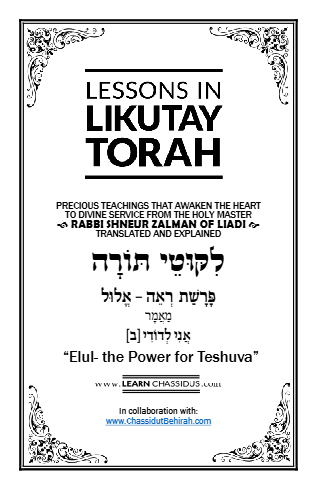
And, regarding this type of help from Above, it says that “He nourishes us with roses,” feeding us His mercies and giving us the power to do Teshuva. End of note.]

Now, our Sages have said, (Shabbos 30b) “Do not only read the verse to mean that ‘He nourishes us with ש וֹש נ יַׁם-roses,’ but also read the verse to mean that ‘He nourishes us with םַׁי נֹו שֶ ש-those who study.’”

The meaning of ‘–ַׁי נֹו שֶ שםַׁthose who study’ is referring to Torah study, as expressed in the idea that “whenever one reads the Tanach and ‘ש וֹנֶַׁהַׁ-studies’ the Mishna, Hashem reads and studies with him.” (Tanna D’vei Eliyahu Rabbah 18:1)

To explain the idea that Hashem nourishes us ‘ב ַש וֹש ַנ ִּים-with roses’ means that He nourishes us with Torah study in the month of Elul:

The idea of Teshuva is to complete whatever revelation of Hashem is missing, both what is missing through the lack of performing Mitzvos, which holds back and decreases the revelation of the Light of Hashem that is “סוֹב בַׁכ ָּלַׁעָּלְמ יןַׁ-encompasses all worlds” that is drawn down through the Mitzvos, and also what is missing through the lack of Torah study, which is the source of Hashem’s Light that is “מְמ ל אַׁ כ ָּלַׁ עָּלְמ ין-permeates all worlds.”

And this is the meaning of what we say in the Shemona Esrai, “And bring us back with complete Teshuva before You,” meaning, specifically Teshuva that is complete in filling in all missing aspects of Hashem’s revelation.

And this is the meaning of the verse, “He nourishes me with ‘םַׁי נ שֹו ש ַׁ-roses,’” in the plural form, instead of saying “with a rose,” implying that there are two levels included in ‘םַׁי נ שֹו ש ַׁ-roses:’

  • An “actual rose,” meaning the revelation of the 13 Attributes of Mercy corresponding to the 13 petals of the rose, which are from the level of how Hashem is “סוֹב בַׁכ ָּלַׁעָּלְמ ין-encompasses all worlds.” This gives us the power to do Teshuva for any lack of Mitzvos.
  • ‘–ַׁי נֹו שֶ שםThose who study Torah,’ which has the same letters as ‘ש וֹש ַנ ִּים-roses,’ meaning that in Elul Hashem nourishes us with the power to do Teshuva for the lack of Torah study, which is the idea of how Hashem “מְמ ל אַׁ כ ָּלַׁ עָּלְמ ין- permeates all worlds.”

After explaining that the power for Teshuva in Elul can fill in all the missing revelation of Hashem from the lack of Mitzvos throughout the year, the Alter Rebbe will use that concept to explain the following question:

Why is Simchas Torah after Rosh HaShana and Yom Kippur?

Why is Simchas Torah, when we rejoice in the study of Torah and fulfillment of Mitzvos, celebrated after Rosh HaShana and Yom Kippur? It would seem to make more sense to celebrate the Torah at the time it was given, on Shavuos.

Rosh HaShana and Yom Kippur are about being serious in our service of Hashem and doing Teshuva for what we did improperly. What does that have to do with celebrating the fact that Hashem gave us the Torah?

And this why Simchas Torah is after Rosh HaShana and Yom Kippur, since it is the idea of drawing down “the joy of performing Mitzvos” for the entire year:

Throughout the year we create a lack in the revelation of how Hashem is “סוֹב בַׁ כ ָּלַׁ עָּלְמ ין-encompasses all worlds” through our lack of fulfilling the Mitzvos properly.

When that lack is filled through a new revelation of Hashem on Rosh HaShana and Yom Kippur after our Teshuva and preparation in Elul, then we can truly “rejoice in the Mitzvos,” since we now have the complete revelation of Hashem, from all of the Mitzvos that we could have done in the past year.

The same applies to our Torah study; through our Teshuva in Elul and Rosh and Yom Kippur we able to fill in the lacking revelation of Hashem that was missing due to our lack of Torah study throughout the year.

Since we are able to accomplish the revelation of Hashem from all the Torah and Mitzvos of the past year at the time of Elul and Tishrei, we therefore celebrate that new revelation on Simchas Torah.

However, the joy of Simchas Torah is much greater than that of Shavuos, since this new revelation of Hashem from our Teshuva for all the Torah and Mitvzvos of the past year is our own accomplishment. Since the purpose of why Hashem gave us the Torah is so that we should reveal Hashem through our efforts in Torah, Mitzvos, and Teshuva, therefore on Simchas Torah we have the greatest celebration; we celebrate the new revelation from Hashem’s Essence that was brought about through our efforts of Torah, Mitzvos, and Teshuva.

This ultimate revelation of Hashem from our own efforts comes from Hashem’s power for Teshuva that He gives us in Elul.

PDF Preview