Simcha on Shabbos
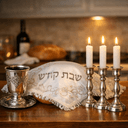
במוסף לשבת – ישמחו במלכותך שומרי שבת
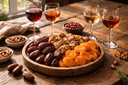
From this phrase we understand that a concept of Simchah exists on Shabbos. This concept is expressed in the verse from Parshas Bahaaloscha וביום שמחתכם ובמועדיכם that the word שמחתכם refers to Shabbos (see the notes from the Gra)
Further, we can derive this concept of Simcha on Shabbos from the verses at the end of Parshas Reeh in the matter of Chag Shavous ושמחת לפני ה' וזכרת כי עבד היית בארץ מצרים , since Shabbos is also connected with remembering the servitude in Egypt (Devarim 5:12-15), and it is explained that this connection indicates that Simchah on Shabbos is a mitzvah. (Even though the main concept of Shabbos is from Creation that seventh day HaShem rested, nevertheless, Shabbos has a strong connection to events involving the Redemption from Egypt. Thus, the Kiddush on Friday nights mentions both aspects of Shabbos).
Similarly, we see the law that when Purim falls on Shabbos the meal of Purim is pushed off until the next day. Since the meal is the expression of Simcha of Purim, this cannot be done on Shabbos, since it would be mixed with the Simcha of Shabbos and would not be recognizable on its own (contrary to other holidays that fall on Shabbos when they have something distinctive, such as Matzah or a Sukkah).
Regarding the emphasis on the Kingship(מלכותך) expressed by the Observers of Shabbos (שומרי שבת), it is well known that the seven days of the week are connected to the 7 “lower” Sefiros. And Shabbos (the seventh day) is representative of the concept of Kingship of HaShem (the 7th Sefirah). Thus, we fully express the Kingship that HaShem places on this time of Shabbos with our expressions of Simcha in the honor of that Kingship.
Related Articles