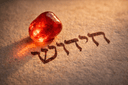
Seizing Every Moment: Lessons from Elul and the Arei Miklat
Torah Musings | September 06, 2024
Print This Article
View Original PDF

Seizing Every Moment: Lessons from Elul and the Arei Miklat

Torah Musings | June 19, 2025

As we approach the month of Elul, the last month of the Hebrew year, we find ourselves in a time dedicated to self-reflection, self-improvement, and spiritual preparation for the High Holy Days Yamim Noraim. During this month, we read the parashah of Shoftim, which revisits the laws of the Arei Miklat (Cities of Refuge) first mentioned in Parashat Mishpatim. The concept of the Arei Miklat offers profound lessons that resonate during this special time.

The Torah presents the Arei Miklat as a sanctuary for someone who has caused the death of another unintentionally. Although the act was accidental, it still has consequences. The accidental killer is exiled to the Arei Miklat, where he must remain until the death of the Kohen Gadol. This exile serves a dual purpose: it protects the individual from the avenger of blood and compels the accidental killer to engage in deep reflection on the value of life and the associated responsibility. Exile to the Arei Miklat is not merely a punishment; it is an opportunity for rehabilitation. Living among the Leviim, who are dedicated to serving G-d and studying Torah, the inadvertent killer is exposed to a life of holiness and awareness. They learn to appreciate the sanctity of every human life and the seriousness of their actions, even if they were unintentional.

The connection between Elul and the Arei Miklat is subtly hinted at in a verse from Parashat Mishpatim: "But if someone does not strike with intent, but G-d lets it happen into his hand, then I will appoint for you a place to which he may flee" (Shemos 21:13). אנה לידו ושמתי לך... )שמות כ"א, יג( The initials of the words "G-d lets it happen into his hand and I will appoint for you" spell out the word אלול "Elul." This hint is not coincidental. Our Sages see this verse as paralleling the physical refuge provided by the Arei Miklat with the spiritual refuge offered by the month of Elul. Just as the Arei Miklat provides a safe haven and time for reflection, so does Elul offer us a refuge in time—a month dedicated to introspection, repentance, and commitment to change.

Why must someone who has killed accidentally go into exile? The Torah's answer is: life is sacred, and even accidental death is a tragic loss that requires atonement. The Sages teach that if a person is careful and aware, avoiding sin and setting up safeguards to prevent transgression, G-d will protect them even from inadvertent acts. The accidental killer, on the other hand, may have been reckless, engaging in potentially dangerous activities without sufficient caution. This principle applies to our daily lives as well. We must be mindful in all our actions, understanding that even unintentional mistakes can have serious consequences. Elul is our opportunity to examine where we may have been reckless—whether in relationships, commandments, or personal growth—and take steps to correct these deficiencies.

Rabbi Simcha Zissel, known as the Alter of Kelm, told a powerful story that captures the essence of fleeting and precious time. He described a heavenly proclamation that a village was deemed righteous. As a reward, everyone who had ever lived in that village was granted one more hour of life to return and correct their past. When the clock struck 10:00 AM, the dead rose from their graves, dressed in their white shrouds. The living were filled with a mix of fear and awe as they witnessed the resurrection of their ancestors. However, the resurrected had no time for family reunions or emotional moments. They understood the immense value of the gift—one hour of life—and were determined to make the most of every second. Instead of lingering with their descendants, the resurrected souls rushed to the village synagogue. They gathered every sacred book they could find—Torahs, Mishnayos, Siddurim—and began studying Torah with an unprecedented intensity and urgency. The air was filled with the sounds of fervent prayer and study as they sought to make up for lost time. As the minutes passed, their focus intensified. By 10:50 AM, the atmosphere in the synagogue was electric, with concentration and passion reaching their peak. At 11:00 AM, the hour ended, and the resurrected vanished as suddenly as they had appeared, leaving the living stunned. They had witnessed a powerful demonstration of the value of time—how much can be achieved in just one hour when every moment is valued.

Rabbi Simcha Zissel concluded his story with a poignant question: If we were given just one hour of life, how would we spend it? Would we not make the most of every second, just as those resurrected souls did? And if so, why do we treat our regular hours of life differently? We are blessed with countless hours, yet how often do we waste them as if they were meaningless?

In the book "Your Elders Will Tell You," a story is brought in the name of the Maggid of Kelm:

One day, a great proclamation was issued in the heavens, announcing: "Such-and-such a town and such-and-such a town have been found righteous, and therefore they deserve a special reward. And what is the reward?" The proclamation continues: "We grant to all the souls in the World of Truth who lived in that community from the day it was founded until today—'one hour of life.' All will rise for one hour and then return to their dust." The appointed hour arrived. There was a commotion and turmoil in the heavens, and all the souls of that town gathered and prepared to receive the aforementioned reward. Of course, the living inhabitants of the town on earth were unaware of all this. At ten in the morning, the ears of the living inhabitants were deafened by the noise. They were all struck with panic and fear from the strange noise, and soon the rumor spread and took wing. The cemetery at the edge of the town was bustling with people. In fear and excitement, all the townspeople ran to see the wondrous sight. As they drew closer to the cemetery, it became clear to them that the dead had risen from their graves, clothed in white shrouds. Then the first shout pierced the air: "Here is Grandpa, here is Grandpa!" cried out a man who arrived first, overwhelmed with excitement. "And here is the great-grandfather," another voice was heard. "And here is... and here is..." Slowly, everyone approached and saw all their acquaintances and relatives from several generations back. And while the living were shouting with excitement and rushing to greet their relatives, the dead were doing exactly the opposite, as if they didn't recognize anyone, and instead of greeting them, they turned and said: "What do you want? Let us pass and go, move aside!!" One of the dead paused for a moment and explained to his relative, who was running after him: "We have been given one hour to live, from ten to eleven o'clock only, and already ten minutes have passed, and you are delaying us! We must make use of the time, we are running to the nearest synagogue to grab and grab..." And then everyone understood that this was not the resurrection of the dead, but rather a temporary revival for just one fleeting hour. There was no time now to kiss grandchildren and relatives. They all ran in haste to the synagogues of the town, which filled up to capacity, and while the living members of the community were still trying to grasp what was happening, all the dead were already out of sight, having disappeared within the walls of the town’s synagogues. The living had no choice but to follow them and witness with their own eyes what was taking place. By now, ten precious minutes had already passed, and not all the dead had found a book to study from, and the scene was terrible. In the synagogue stood men in white shrouds, and the bookcases were emptied, with not a single book left unused. Of course, no one was looking for a comfortable seat. Nothing mattered to them except having a holy book in their hands to grab and grab another word of Torah. The synagogue clock already showed ten-thirty-five, and everyone was under pressure to make the most of every sixty seconds in every minute. The clock was now a quarter to eleven, and so passed minute after minute. And behold, there was one who noticed the advancing time and banged on the bimah, shouting: "It's already ten minutes to eleven, strengthen yourselves in your study..." and the voices grew louder and louder, doubling in intensity. Hearts pounded, and the tension was sky-high—six minutes left, two and a half minutes left, "thunder and lightning" of study with the utmost use of time. Ten seconds left, nine, eight, seven... the cries that were heard, and the voices of learning only intensified and grew. Four seconds remained, three, two... until the very last second they continued to study, and afterward, they all returned to their rest, absolute silence. The hour had ended after being fully utilized, the dead had filled their souls with treasures of eternity, thousands upon thousands of moments filled and saturated with mitzvot, Torah study, prayer, and repentance. They returned to their dust, satisfied and content, before the wide-open eyes of their loved ones.

The Maggid of Kelm pauses for a brief moment and delivers the final, chilling conclusion: "This story is not just a parable; it is a reminder of the preciousness of time and the urgency of using every moment wisely. We may not be granted such an extraordinary hour, but each day we are given the opportunity to 'seize the moment' and fill our lives with meaning. The time we have is limited, and we never know when our hour will be up. What will we have to show for our time on earth? Will we be able to look back and see that we used every moment to its fullest, or will we be left with regret for wasted opportunities?"

The story reminds us that, like the souls of that town, we too are given time—every day, every hour—to fill with purpose. The lesson is clear: We must act with urgency, knowing that every moment counts, and that what we do with our time is what will remain with us for eternity. As the Maggid of Kelm taught, we should live each day as if it were our last, striving to fill it with Torah, mitzvot, and acts of kindness, so that when our time comes, we can return to our Maker with a heart full of satisfaction and a soul rich with good deeds.

This story resonates deeply, especially during the month of Elul, a time of reflection, repentance, and preparation for the Yomim Noraim. It calls us to wake up from our slumber, to shake off complacency, and to make every moment count. The shofar’s blast serves as a reminder of the fleeting nature of time and the urgency to return to Hashem with all our hearts. It is a time to renew our commitment to a life of holiness and to make the most of the time we have been granted.

The Gemara describes how Rabbi Hanina ben Tradyon was wrapped in bundles of wood and burned along with the Torah scroll he had studied.

To prolong his suffering, the Romans placed wet wool on his heart, thus delaying his death. The story is detailed in Avodah Zarah 18:

מצאוהו לרבי חנינא בן תרדיון שהיה יושב ועוסק בתורה ומקהיל קהלות ברבים וס"ת מונח לו בחיקו

They found R. Hanina b. Tradion sitting and occupying himself with the Torah, publicly gathering assemblies, and keeping a Sefer Torah in his lap.

הביאוהו וכרכוהו בס"ת והקיפוהו בחבילי זמורות והציתו בהן את האור והביאו ספוגין של צמר ושראום במים והניחום על לבו כדי שלא תצא נשמתו מהרה אמרה לו בתו אבא אראך בכך אמר לה אילמלי אני נשרפתי לבדי היה הדבר קשה לי עכשיו שאני נשרף וס"ת עמי מי שמבקש עלבונה של ס"ת הוא יבקש עלבוני

They took hold of him, wrapped him in the Sefer Torah, placed bundles of twigs round him and set them on fire. They then brought tufts of wool, which they had soaked in water, and placed them over his heart, so that he should not die quickly. His daughter exclaimed, “Father, that I should see you in this state!” He replied, “If I being burned alone it would have been difficulty for me; but now that I am burning together with the Sefer Torah, He who will have regard for the injury done to the Torah will also have regard for the injury to me.”

אמרו לו תלמידיו רבי מה אתה רואה אמר להן גליון נשרפין ואותיות פורחות אף אתה פתח פיך ותכנס בך האש אמר להן מוטב שיטלנה מי שנתנה ואל יחבל הוא בעצמו

His disciples called out, “Rabbi, what do you see?” He answered them, “The parchments are being burned but the letters are flying away.” “Open your mouth so that the fire can enter you.” He replied, “It is better that the one who gave me [my soul] take it away, but no one should injure oneself.”

אמר לו קלצטונירי רבי אם אני מרבה בשלהבת ונוטל ספוגין של צמר מעל לבך אתה מביאני לחיי העולם הבא אמר לו הן השבע לי נשבע לו מיד הרבה בשלהבת ונטל ספוגין של צמר מעל לבו יצאה נשמתו במהרה אף הוא קפץ ונפל לתוך האור

The Executioner then said to him, “Rabbi, if I increase the flame and take away the tufts of wool from over your heart, will you bring me to life in the world to come?” Rabbi Chanina answered affirmatively and swore to this request. The Executioner increased the flame and removed the tufts of wool from over his heart, and his soul departed speedily. The Executioner then jumped and threw himself into the fire.

יצאה בת קול ואמרה רבי חנינא בן תרדיון וקלצטונירי מזומנין הן לחיי העולם הבא בכה רבי ואמר יש קונה עולמו בשעה אחת ויש קונה עולמו בכמה שנים

A heavenly voice came forth and exclaimed: “R. Hanina b. Teradion and the Executioner are invited to life in the world to come.” Rabbi wept and said: “One may acquire eternal life in a single hour, another after many years.”

Rebbi—Rabbi Judah the Prince—cried and said that: “There are those who acquire their world in one hour, and there are those who acquire it over many years.” (Avodah Zarah 18)

But why did Rebbi cry when realizing that: “There are those who acquire their world in one hour?" Why was he not happy that it is possible to attain the World to Come in one hour? The answer is that he cried upon realizing how precious every moment is, how much can be achieved in each moment, and how often we fail to appreciate every second of life.

As we approach the Yomim Noraim, let us take the message of the Maggid of Kelm and the tears of Rebbi to heart. Let us seize the opportunity to fill our days with Torah study, prayer, and acts of kindness, knowing that each moment is a precious gift. We should use this month as a "Miklat in time," finding a safe space in our schedule where we can pause, reflect, and reset our lives, just as a City of Refuge offered protection and a fresh start. In doing so, we prepare ourselves to stand before Hashem with hearts full of teshuvah, ready to be inscribed in the Book of Life for a good and sweet new year.

The month of Elul serves as our spiritual Arei Miklat—a time-out from the distractions of daily life, offering us the opportunity to focus on what truly matters. During this month, we are called to reevaluate our lives, reconsider the sanctity of time, and take tangible steps to ensure that our actions align with our highest values. Just as the accidental killer in the Arei Miklat was given a chance to reconsider their life, we too are given the opportunity to reassess our actions, correct our mistakes, and prepare ourselves to stand before G-d on the High Holy Days with a clean conscience and a renewed heart.

Elul reminds us of this lesson. As we engage in introspection and prepare for the High Holy Days, we have a unique opportunity to reflect on our actions and intentions. Like the souls who returned for that precious hour, we should strive to use our time wisely, focusing on meaningful acts of repentance, kindness, and Torah study. Just as the Arei Miklat represents a physical space for reflection and change, Elul represents a temporal space—a month set aside for spiritual reflection and improvement. The concept of the Arei Miklat, with its emphasis on the sanctity of life and the opportunity for rehabilitation, echoes the spirit of Elul, urging us to use this time to correct our mistakes, deepen our commitments, and enhance our spiritual practices.

In summary, the connection between the Arei Miklat and the month of Elul highlights the value of every moment. Both serve as reminders of the importance of making time count, whether by physically distancing ourselves for reflection or by spiritually dedicating ourselves to growth and improvement. As we navigate through Elul, let us seize every opportunity for positive change and strive to make the most of each precious moment, just as the resurrected souls did during their brief return.


As we approach the month of Elul, the last month of the Hebrew year, we find ourselves in a time dedicated to self-reflection, self-improvement, and spiritual preparation for the High Holy Days Yamim Noraim. During this month, we read the parashah of Shoftim, which revisits the laws of the Arei Miklat (Cities of Refuge) first mentioned in Parashat Mishpatim. The concept of the Arei Miklat offers profound lessons that resonate during this special time.

The Torah presents the Arei Miklat as a sanctuary for someone who has caused the death of another unintentionally. Although the act was accidental, it still has consequences. The accidental killer is exiled to the Arei Miklat, where he must remain until the death of the Kohen Gadol. This exile serves a dual purpose: it protects the individual from the avenger of blood and compels the accidental killer to engage in deep reflection on the value of life and the associated responsibility. Exile to the Arei Miklat is not merely a punishment; it is an opportunity for rehabilitation. Living among the Leviim, who are dedicated to serving G-d and studying Torah, the inadvertent killer is exposed to a life of holiness and awareness. They learn to appreciate the sanctity of every human life and the seriousness of their actions, even if they were unintentional.

The connection between Elul and the Arei Miklat is subtly hinted at in a verse from Parashat Mishpatim: "But if someone does not strike with intent, but G-d lets it happen into his hand, then I will appoint for you a place to which he may flee" (Shemos 21:13). אנה לידו ושמתי לך... )שמות כ"א, יג( The initials of the words "G-d lets it happen into his hand and I will appoint for you" spell out the word אלול "Elul." This hint is not coincidental. Our Sages see this verse as paralleling the physical refuge provided by the Arei Miklat with the spiritual refuge offered by the month of Elul. Just as the Arei Miklat provides a safe haven and time for reflection, so does Elul offer us a refuge in time—a month dedicated to introspection, repentance, and commitment to change.

Why must someone who has killed accidentally go into exile? The Torah's answer is: life is sacred, and even accidental death is a tragic loss that requires atonement. The Sages teach that if a person is careful and aware, avoiding sin and setting up safeguards to prevent transgression, G-d will protect them even from inadvertent acts. The accidental killer, on the other hand, may have been reckless, engaging in potentially dangerous activities without sufficient caution. This principle applies to our daily lives as well. We must be mindful in all our actions, understanding that even unintentional mistakes can have serious consequences. Elul is our opportunity to examine where we may have been reckless—whether in relationships, commandments, or personal growth—and take steps to correct these deficiencies.

Rabbi Simcha Zissel, known as the Alter of Kelm, told a powerful story that captures the essence of fleeting and precious time. He described a heavenly proclamation that a village was deemed righteous. As a reward, everyone who had ever lived in that village was granted one more hour of life to return and correct their past. When the clock struck 10:00 AM, the dead rose from their graves, dressed in their white shrouds. The living were filled with a mix of fear and awe as they witnessed the resurrection of their ancestors. However, the resurrected had no time for family reunions or emotional moments. They understood the immense value of the gift—one hour of life—and were determined to make the most of every second. Instead of lingering with their descendants, the resurrected souls rushed to the village synagogue. They gathered every sacred book they could find—Torahs, Mishnayos, Siddurim—and began studying Torah with an unprecedented intensity and urgency. The air was filled with the sounds of fervent prayer and study as they sought to make up for lost time. As the minutes passed, their focus intensified. By 10:50 AM, the atmosphere in the synagogue was electric, with concentration and passion reaching their peak. At 11:00 AM, the hour ended, and the resurrected vanished as suddenly as they had appeared, leaving the living stunned. They had witnessed a powerful demonstration of the value of time—how much can be achieved in just one hour when every moment is valued.

Rabbi Simcha Zissel concluded his story with a poignant question: If we were given just one hour of life, how would we spend it? Would we not make the most of every second, just as those resurrected souls did? And if so, why do we treat our regular hours of life differently? We are blessed with countless hours, yet how often do we waste them as if they were meaningless?

In the book "Your Elders Will Tell You," a story is brought in the name of the Maggid of Kelm:

One day, a great proclamation was issued in the heavens, announcing: "Such-and-such a town and such-and-such a town have been found righteous, and therefore they deserve a special reward. And what is the reward?" The proclamation continues: "We grant to all the souls in the World of Truth who lived in that community from the day it was founded until today—'one hour of life.' All will rise for one hour and then return to their dust." The appointed hour arrived. There was a commotion and turmoil in the heavens, and all the souls of that town gathered and prepared to receive the aforementioned reward. Of course, the living inhabitants of the town on earth were unaware of all this. At ten in the morning, the ears of the living inhabitants were deafened by the noise. They were all struck with panic and fear from the strange noise, and soon the rumor spread and took wing. The cemetery at the edge of the town was bustling with people. In fear and excitement, all the townspeople ran to see the wondrous sight. As they drew closer to the cemetery, it became clear to them that the dead had risen from their graves, clothed in white shrouds. Then the first shout pierced the air: "Here is Grandpa, here is Grandpa!" cried out a man who arrived first, overwhelmed with excitement. "And here is the great-grandfather," another voice was heard. "And here is... and here is..." Slowly, everyone approached and saw all their acquaintances and relatives from several generations back. And while the living were shouting with excitement and rushing to greet their relatives, the dead were doing exactly the opposite, as if they didn't recognize anyone, and instead of greeting them, they turned and said: "What do you want? Let us pass and go, move aside!!" One of the dead paused for a moment and explained to his relative, who was running after him: "We have been given one hour to live, from ten to eleven o'clock only, and already ten minutes have passed, and you are delaying us! We must make use of the time, we are running to the nearest synagogue to grab and grab..." And then everyone understood that this was not the resurrection of the dead, but rather a temporary revival for just one fleeting hour. There was no time now to kiss grandchildren and relatives. They all ran in haste to the synagogues of the town, which filled up to capacity, and while the living members of the community were still trying to grasp what was happening, all the dead were already out of sight, having disappeared within the walls of the town’s synagogues. The living had no choice but to follow them and witness with their own eyes what was taking place. By now, ten precious minutes had already passed, and not all the dead had found a book to study from, and the scene was terrible. In the synagogue stood men in white shrouds, and the bookcases were emptied, with not a single book left unused. Of course, no one was looking for a comfortable seat. Nothing mattered to them except having a holy book in their hands to grab and grab another word of Torah. The synagogue clock already showed ten-thirty-five, and everyone was under pressure to make the most of every sixty seconds in every minute. The clock was now a quarter to eleven, and so passed minute after minute. And behold, there was one who noticed the advancing time and banged on the bimah, shouting: "It's already ten minutes to eleven, strengthen yourselves in your study..." and the voices grew louder and louder, doubling in intensity. Hearts pounded, and the tension was sky-high—six minutes left, two and a half minutes left, "thunder and lightning" of study with the utmost use of time. Ten seconds left, nine, eight, seven... the cries that were heard, and the voices of learning only intensified and grew. Four seconds remained, three, two... until the very last second they continued to study, and afterward, they all returned to their rest, absolute silence. The hour had ended after being fully utilized, the dead had filled their souls with treasures of eternity, thousands upon thousands of moments filled and saturated with mitzvot, Torah study, prayer, and repentance. They returned to their dust, satisfied and content, before the wide-open eyes of their loved ones.

The Maggid of Kelm pauses for a brief moment and delivers the final, chilling conclusion: "This story is not just a parable; it is a reminder of the preciousness of time and the urgency of using every moment wisely. We may not be granted such an extraordinary hour, but each day we are given the opportunity to 'seize the moment' and fill our lives with meaning. The time we have is limited, and we never know when our hour will be up. What will we have to show for our time on earth? Will we be able to look back and see that we used every moment to its fullest, or will we be left with regret for wasted opportunities?"

The story reminds us that, like the souls of that town, we too are given time—every day, every hour—to fill with purpose. The lesson is clear: We must act with urgency, knowing that every moment counts, and that what we do with our time is what will remain with us for eternity. As the Maggid of Kelm taught, we should live each day as if it were our last, striving to fill it with Torah, mitzvot, and acts of kindness, so that when our time comes, we can return to our Maker with a heart full of satisfaction and a soul rich with good deeds.

This story resonates deeply, especially during the month of Elul, a time of reflection, repentance, and preparation for the Yomim Noraim. It calls us to wake up from our slumber, to shake off complacency, and to make every moment count. The shofar’s blast serves as a reminder of the fleeting nature of time and the urgency to return to Hashem with all our hearts. It is a time to renew our commitment to a life of holiness and to make the most of the time we have been granted.

The Gemara describes how Rabbi Hanina ben Tradyon was wrapped in bundles of wood and burned along with the Torah scroll he had studied.

To prolong his suffering, the Romans placed wet wool on his heart, thus delaying his death. The story is detailed in Avodah Zarah 18:

מצאוהו לרבי חנינא בן תרדיון שהיה יושב ועוסק בתורה ומקהיל קהלות ברבים וס"ת מונח לו בחיקו

They found R. Hanina b. Tradion sitting and occupying himself with the Torah, publicly gathering assemblies, and keeping a Sefer Torah in his lap.

הביאוהו וכרכוהו בס"ת והקיפוהו בחבילי זמורות והציתו בהן את האור והביאו ספוגין של צמר ושראום במים והניחום על לבו כדי שלא תצא נשמתו מהרה אמרה לו בתו אבא אראך בכך אמר לה אילמלי אני נשרפתי לבדי היה הדבר קשה לי עכשיו שאני נשרף וס"ת עמי מי שמבקש עלבונה של ס"ת הוא יבקש עלבוני

They took hold of him, wrapped him in the Sefer Torah, placed bundles of twigs round him and set them on fire. They then brought tufts of wool, which they had soaked in water, and placed them over his heart, so that he should not die quickly. His daughter exclaimed, “Father, that I should see you in this state!” He replied, “If I being burned alone it would have been difficulty for me; but now that I am burning together with the Sefer Torah, He who will have regard for the injury done to the Torah will also have regard for the injury to me.”

אמרו לו תלמידיו רבי מה אתה רואה אמר להן גליון נשרפין ואותיות פורחות אף אתה פתח פיך ותכנס בך האש אמר להן מוטב שיטלנה מי שנתנה ואל יחבל הוא בעצמו

His disciples called out, “Rabbi, what do you see?” He answered them, “The parchments are being burned but the letters are flying away.” “Open your mouth so that the fire can enter you.” He replied, “It is better that the one who gave me [my soul] take it away, but no one should injure oneself.”

אמר לו קלצטונירי רבי אם אני מרבה בשלהבת ונוטל ספוגין של צמר מעל לבך אתה מביאני לחיי העולם הבא אמר לו הן השבע לי נשבע לו מיד הרבה בשלהבת ונטל ספוגין של צמר מעל לבו יצאה נשמתו במהרה אף הוא קפץ ונפל לתוך האור

The Executioner then said to him, “Rabbi, if I increase the flame and take away the tufts of wool from over your heart, will you bring me to life in the world to come?” Rabbi Chanina answered affirmatively and swore to this request. The Executioner increased the flame and removed the tufts of wool from over his heart, and his soul departed speedily. The Executioner then jumped and threw himself into the fire.

יצאה בת קול ואמרה רבי חנינא בן תרדיון וקלצטונירי מזומנין הן לחיי העולם הבא בכה רבי ואמר יש קונה עולמו בשעה אחת ויש קונה עולמו בכמה שנים

A heavenly voice came forth and exclaimed: “R. Hanina b. Teradion and the Executioner are invited to life in the world to come.” Rabbi wept and said: “One may acquire eternal life in a single hour, another after many years.”

Rebbi—Rabbi Judah the Prince—cried and said that: “There are those who acquire their world in one hour, and there are those who acquire it over many years.” (Avodah Zarah 18)

But why did Rebbi cry when realizing that: “There are those who acquire their world in one hour?" Why was he not happy that it is possible to attain the World to Come in one hour? The answer is that he cried upon realizing how precious every moment is, how much can be achieved in each moment, and how often we fail to appreciate every second of life.

As we approach the Yomim Noraim, let us take the message of the Maggid of Kelm and the tears of Rebbi to heart. Let us seize the opportunity to fill our days with Torah study, prayer, and acts of kindness, knowing that each moment is a precious gift. We should use this month as a "Miklat in time," finding a safe space in our schedule where we can pause, reflect, and reset our lives, just as a City of Refuge offered protection and a fresh start. In doing so, we prepare ourselves to stand before Hashem with hearts full of teshuvah, ready to be inscribed in the Book of Life for a good and sweet new year.

The month of Elul serves as our spiritual Arei Miklat—a time-out from the distractions of daily life, offering us the opportunity to focus on what truly matters. During this month, we are called to reevaluate our lives, reconsider the sanctity of time, and take tangible steps to ensure that our actions align with our highest values. Just as the accidental killer in the Arei Miklat was given a chance to reconsider their life, we too are given the opportunity to reassess our actions, correct our mistakes, and prepare ourselves to stand before G-d on the High Holy Days with a clean conscience and a renewed heart.

Elul reminds us of this lesson. As we engage in introspection and prepare for the High Holy Days, we have a unique opportunity to reflect on our actions and intentions. Like the souls who returned for that precious hour, we should strive to use our time wisely, focusing on meaningful acts of repentance, kindness, and Torah study. Just as the Arei Miklat represents a physical space for reflection and change, Elul represents a temporal space—a month set aside for spiritual reflection and improvement. The concept of the Arei Miklat, with its emphasis on the sanctity of life and the opportunity for rehabilitation, echoes the spirit of Elul, urging us to use this time to correct our mistakes, deepen our commitments, and enhance our spiritual practices.

In summary, the connection between the Arei Miklat and the month of Elul highlights the value of every moment. Both serve as reminders of the importance of making time count, whether by physically distancing ourselves for reflection or by spiritually dedicating ourselves to growth and improvement. As we navigate through Elul, let us seize every opportunity for positive change and strive to make the most of each precious moment, just as the resurrected souls did during their brief return.

PDF Preview