Discourage Fraternization Between Jews and Idol Worshippers
Parsha Pages | July 23, 2023
Print This Article
View Original PDF

Discourage Fraternization Between Jews and Idol Worshippers

Parsha Pages | December 31, 2025

Avodah Zarah 20a

Jews cannot sell idol worshippers land in Eretz Yisrael. Can be read: לא ת חָּנֵם (lo sichaneim) forbidden to give idol worshippers a holding (chaniyah) in the land.

Jews cannot speak favorably regarding idol worshippers. Can be read: לא ת חֻנֵם (lo sichuneim) forbidden to speak favorably regarding idol worshippers whether praising their physical beauty or their works and practices (chein).

Jews cannot give free gifts to idol worshippers. Can be read: לא ת חִנֵם (lo sichineim) forbidden to extend free gifts to idol worshippers (chinam). (We do provide gifts to the non-Jewish poor due to “ways of peace”)

Onkelus

Jews can not have mercy on idol worshippers. Do not have mercy (chaninah) on worshippers of idols; one cannot save them if they are in a life-threatening situation.

Rashi (on Torah): Only mentions the first two and not regarding “free gifts”; some explain that the prohibition of “free gifts” is disputed and does not apply to all circumstances.

R’ Bachaye: We see from here the greatness of Torah. Chaza”l derive many laws from the same word just with different vocalization. He explains that the words are like the body and the vowels are like the soul. Everyone understands that the body does not function without the soul. Similarly the written words of the Torah require the vocalization.

The prohibitions mentioned to prevent fraternization apply to what group of non-Jews?

Rambam, Sefer haChinuch, and many others state that they prohibitions apply to all non-Jews (except those that are classified as Ger Toshev, a “resident” non-Jew allowed to reside in Eretz Yisrael who have accepted the Jewish laws). Even though these verses refer explicitly to the seven-nations of Canaan, these authorities apply the prohibitions to all non-Jews.

Meiri holds that these laws only apply to the pagan people of the Talmudic and early times whose influence posed a distinct threat to the Jewish nation. These prohibitions do not apply to nations nowadays that are civilized by justice, law and acceptance of the One G-d.

Tosfos (Avodah Zara 20a) says these prohibitions only apply to the seven nations due to the following reasons as listed:

  1. The following verse mentions the law לא תתחתן בם, one should not marry with them. Chaza”l apply these concept to non-Jews who are not able to convert. Since this verse does not apply directly to other nations (who are able to convert) also the previous verse only applies to the seven nations.
  2. Further in the next verse, the Torah provides a reason that from such a union (Jew and non-Jew woman from the seven nations) would lead any child to worship idols. Thus, the Rabbis maintain this is further proof that only applies to the seven nations and not the rest of the non-Jewish nations (who only keep the trappings as an acceptable ancestral tradition).
  3. Later in Devarim (Chapter 20) one verse (16) states “you should not keep them alive” (the seven nations) and another verse (11) states, “they should be to you for taxes and servitude” (other non-Jewish people). Thus, two types of non-Jews are evident.
  4. The other prohibition in this verse (7,2) is that one should not establish a covenant with these nations. We see elsewhere that Yehoshua and Shlomo made covenants with non-Jewish nations. Thus, the verse is only discussing a prohibition involving the seven nations.
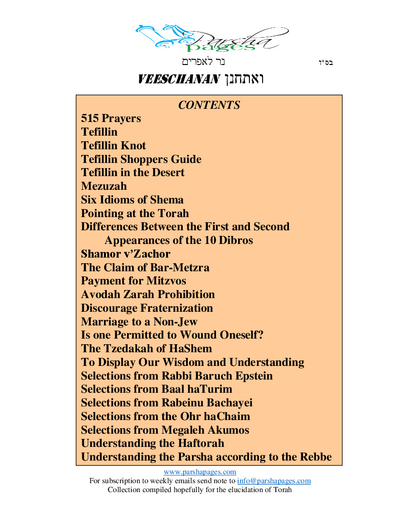

Avodah Zarah 20a

Jews cannot sell idol worshippers land in Eretz Yisrael. Can be read: לא ת חָּנֵם (lo sichaneim) forbidden to give idol worshippers a holding (chaniyah) in the land.

Jews cannot speak favorably regarding idol worshippers. Can be read: לא ת חֻנֵם (lo sichuneim) forbidden to speak favorably regarding idol worshippers whether praising their physical beauty or their works and practices (chein).

Jews cannot give free gifts to idol worshippers. Can be read: לא ת חִנֵם (lo sichineim) forbidden to extend free gifts to idol worshippers (chinam). (We do provide gifts to the non-Jewish poor due to “ways of peace”)

Onkelus

Jews can not have mercy on idol worshippers. Do not have mercy (chaninah) on worshippers of idols; one cannot save them if they are in a life-threatening situation.

Rashi (on Torah): Only mentions the first two and not regarding “free gifts”; some explain that the prohibition of “free gifts” is disputed and does not apply to all circumstances.

R’ Bachaye: We see from here the greatness of Torah. Chaza”l derive many laws from the same word just with different vocalization. He explains that the words are like the body and the vowels are like the soul. Everyone understands that the body does not function without the soul. Similarly the written words of the Torah require the vocalization.

The prohibitions mentioned to prevent fraternization apply to what group of non-Jews?

Rambam, Sefer haChinuch, and many others state that they prohibitions apply to all non-Jews (except those that are classified as Ger Toshev, a “resident” non-Jew allowed to reside in Eretz Yisrael who have accepted the Jewish laws). Even though these verses refer explicitly to the seven-nations of Canaan, these authorities apply the prohibitions to all non-Jews.

Meiri holds that these laws only apply to the pagan people of the Talmudic and early times whose influence posed a distinct threat to the Jewish nation. These prohibitions do not apply to nations nowadays that are civilized by justice, law and acceptance of the One G-d.

Tosfos (Avodah Zara 20a) says these prohibitions only apply to the seven nations due to the following reasons as listed:

  1. The following verse mentions the law לא תתחתן בם, one should not marry with them. Chaza”l apply these concept to non-Jews who are not able to convert. Since this verse does not apply directly to other nations (who are able to convert) also the previous verse only applies to the seven nations.
  2. Further in the next verse, the Torah provides a reason that from such a union (Jew and non-Jew woman from the seven nations) would lead any child to worship idols. Thus, the Rabbis maintain this is further proof that only applies to the seven nations and not the rest of the non-Jewish nations (who only keep the trappings as an acceptable ancestral tradition).
  3. Later in Devarim (Chapter 20) one verse (16) states “you should not keep them alive” (the seven nations) and another verse (11) states, “they should be to you for taxes and servitude” (other non-Jewish people). Thus, two types of non-Jews are evident.
  4. The other prohibition in this verse (7,2) is that one should not establish a covenant with these nations. We see elsewhere that Yehoshua and Shlomo made covenants with non-Jewish nations. Thus, the verse is only discussing a prohibition involving the seven nations.

PDF Preview

