Why Is There No Masechta Chanukah
Torah Sweets | December 10, 2025
Print This Article
View Original PDF

Why Is There No Masechta Chanukah

Torah Sweets | December 10, 2025

The Sefer Kimotzai Shalal Rav (Chanukah, Page 50) brings down: “Considering how much press the story of Purim got, including the entire Mesechta Megillah and the entire Megillas Esther - covering all the details, background, and Halachos of Purim, this begs the question. The celebration of Chanukah on the Jewish calendar is a rather central one, and it seems somewhat odd that the story (and Halachos of Chanukah) did not get its own Megillah, Masechta, nor even its own Perek. Whenever Chanukah is mentioned in the Mishna or the Gemara, it is always incidentally (agav) to the topic being discussed - whether in Bikkurim, Rosh Hashanah, Ta’anis, Megillah, Bava Kamma, etc - it is always mentioned in a by-the-way matter.”

The Ramban (Bereishis 49: 10) says that the Chashmonaim were punished and all wiped out because they usurped the kingship from Shevet Yehudah. Even though they did so much good and restored the glory of the Jewish people to their learning Torah and doing Mitzvos, they unlawfully kept the kingship for themselves, which was incorrect, as they were Kohanim from Shevet Levi, not from Shevet Yehuda. Reb Shimon Sofer, author of the Chut Hameshulash, quotes his grandfather, the Chasam Sofer, as saying that Rabbi Yehuda Hanasi descended from Dovid Hamelech/Shevet Yehuda and therefore omitted the story of Chanukah from the Mishnah, as an implicit passive-aggressive way of protesting on behalf of his Shevet. This is why the concept of Chanukah is always mentioned in passing in the Mishna and is not given any ‘official’ press.

The Ta’amei Minhagim (Siman 847) quotes this from the Chasam Sofer as well. Many take issue with this and reject the notion that Rabbi Yehuda Hanasi would withhold the Torah of Chanukah from the Jewish people because of a personal vendetta. This seems to be too petty for a great sage and historically unprecedented leader like Rabbi Yehuda Hanasi, who compiled and wrote the whole Shisha Sidrei Mishna. Many also reject the notion that the Chasam Sofer could have said something like this.

In all the writings of the Chasam Sofer, this idea is not mentioned. In fact, the Chasam Sofer in his commentary (on Gittin 78a) suggests a different reason altogether, which is that the story of Chanukah happened shortly before the compilation of the Mishnah. So, it was fresh and clear in everyone’s minds, and it was not necessary to devote a Masechta to a topic which was already well known. In addition, there were several works, such as Megillas Ta’anis and Megillas Antiochus, which contained the laws and lore of the holiday and were available to the masses. The Chida (in Sefer Devarim Achadim) also mentions that the Megillas Ta’anis has the Halachos of Chanukah and was written before Rebbe wrote the Mishnah. Therefore, Rebbe did not deem it necessary to write about Chanukah again. The Maharitz suggests that Rebbe omitted it not for personal reasons, but it was leshaim shomayim.

Considering that the Chasam Sofer himself wrote a different reason, it can be argued that the Chasam Sofer obviously did not hold that Rabbeinu Hakadosh had a personal vendetta against the Chashmonaim. Still others contend that perhaps Chasam Sofer did entertain this possibility (bederech efsher) with his grandson, Rabbi Shimon Sofer, but did not write it himself, due to its suspect and controversial nature or because there is no source for it. This is a subject of debate. For now, it will remain shrouded in mystery until the coming of Mashiach, when Eliyahu Hanavi will answer all our questions and clarify our doubts, Bemhaira Biyomeinu, Amein.
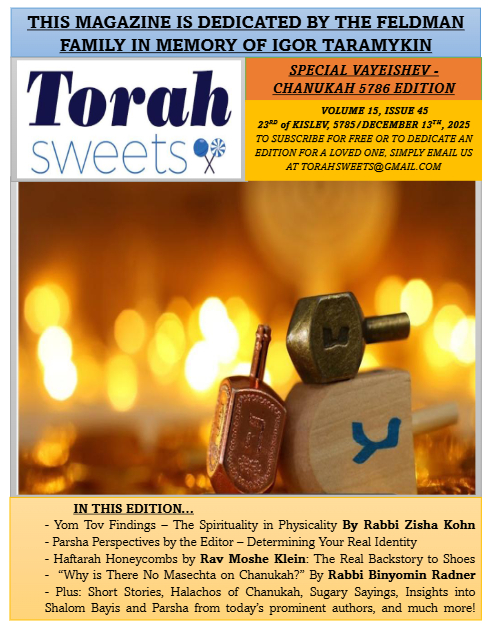
The Sefer Kimotzai Shalal Rav (Chanukah, Page 50) brings down: “Considering how much press the story of Purim got, including the entire Mesechta Megillah and the entire Megillas Esther - covering all the details, background, and Halachos of Purim, this begs the question. The celebration of Chanukah on the Jewish calendar is a rather central one, and it seems somewhat odd that the story (and Halachos of Chanukah) did not get its own Megillah, Masechta, nor even its own Perek. Whenever Chanukah is mentioned in the Mishna or the Gemara, it is always incidentally (agav) to the topic being discussed - whether in Bikkurim, Rosh Hashanah, Ta’anis, Megillah, Bava Kamma, etc - it is always mentioned in a by-the-way matter.”

The Ramban (Bereishis 49: 10) says that the Chashmonaim were punished and all wiped out because they usurped the kingship from Shevet Yehudah. Even though they did so much good and restored the glory of the Jewish people to their learning Torah and doing Mitzvos, they unlawfully kept the kingship for themselves, which was incorrect, as they were Kohanim from Shevet Levi, not from Shevet Yehuda. Reb Shimon Sofer, author of the Chut Hameshulash, quotes his grandfather, the Chasam Sofer, as saying that Rabbi Yehuda Hanasi descended from Dovid Hamelech/Shevet Yehuda and therefore omitted the story of Chanukah from the Mishnah, as an implicit passive-aggressive way of protesting on behalf of his Shevet. This is why the concept of Chanukah is always mentioned in passing in the Mishna and is not given any ‘official’ press.

The Ta’amei Minhagim (Siman 847) quotes this from the Chasam Sofer as well. Many take issue with this and reject the notion that Rabbi Yehuda Hanasi would withhold the Torah of Chanukah from the Jewish people because of a personal vendetta. This seems to be too petty for a great sage and historically unprecedented leader like Rabbi Yehuda Hanasi, who compiled and wrote the whole Shisha Sidrei Mishna. Many also reject the notion that the Chasam Sofer could have said something like this.

In all the writings of the Chasam Sofer, this idea is not mentioned. In fact, the Chasam Sofer in his commentary (on Gittin 78a) suggests a different reason altogether, which is that the story of Chanukah happened shortly before the compilation of the Mishnah. So, it was fresh and clear in everyone’s minds, and it was not necessary to devote a Masechta to a topic which was already well known. In addition, there were several works, such as Megillas Ta’anis and Megillas Antiochus, which contained the laws and lore of the holiday and were available to the masses. The Chida (in Sefer Devarim Achadim) also mentions that the Megillas Ta’anis has the Halachos of Chanukah and was written before Rebbe wrote the Mishnah. Therefore, Rebbe did not deem it necessary to write about Chanukah again. The Maharitz suggests that Rebbe omitted it not for personal reasons, but it was leshaim shomayim.

Considering that the Chasam Sofer himself wrote a different reason, it can be argued that the Chasam Sofer obviously did not hold that Rabbeinu Hakadosh had a personal vendetta against the Chashmonaim. Still others contend that perhaps Chasam Sofer did entertain this possibility (bederech efsher) with his grandson, Rabbi Shimon Sofer, but did not write it himself, due to its suspect and controversial nature or because there is no source for it. This is a subject of debate. For now, it will remain shrouded in mystery until the coming of Mashiach, when Eliyahu Hanavi will answer all our questions and clarify our doubts, Bemhaira Biyomeinu, Amein.

PDF Preview