The Concealed Message and Joy with Fear on Rosh Hashanah
Torah Wellsprings | September 18, 2025
Print This Article
View Original PDF

The Concealed Message and Joy with Fear on Rosh Hashanah

Torah Wellsprings | December 10, 2025

The Chofetz Chaim said that this is the meaning of חגנו ליום בכסה; there is a concealed message in the yom tov. We are happy, light, and cheery, but there is a concealed message, and we don't yet know what it is.

The Gemara (Rosh Hashanah 18.) states, "On Rosh Hashanah, everyone goes before Hashem like מרון בני." The Gemara asks, "What does מרון בני mean?" "Here, in Bavel, we say that it means אמרנא כבני, like sheep." This refers to sheep that pass one by one through a narrow gate for maasar. Every tenth animal is hit with red dye as a sign that this animal is maasar, and it will be brought as a korban. Now, the sheep are all playing together, frolicking in the pasture. If the one with the red dye knew what it meant (that he would soon be slaughtered), he wouldn't be so happy. Similarly, people are happy, but what is concealed? What is the decree? That is hidden from us.

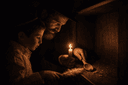
One of my grandfathers, Reb Hershkovitz zt'l, told a mashal of a person who was niftar. The chevrah kadisha placed his body on the floor of a beis medresh and covered it with a talis. The niftar had a young son, and the boy was playing in the beis medresh. He began playing with the strings of the talis. Someone told him, "If you knew what was hidden underneath, you wouldn’t play with this talis." This is the meaning of חגנו ליום בכסה; something is concealed. But everything can be turned around with teshuvah, tefillah, and tzedakah.

Laws of Shofar and the Tears of Sisera's Mother

56. Several laws of shofar are learned from this pasuk because the Navi calls her cries תיבב, and Onkelos translates the word תרועה as יבבא. This teaches us that a shofar should sound like someone crying. The Midrash states that Sisera's mother shed one hundred tears. This is the origin of the halachah to blow one hundred blasts with a shofar on Rosh Hashanah.

The Navi (Shoftim 5:1) writes, בן וברק דבורה ותשר לאמר ההוא ביום אבינעם, "Devorah and Barak sang on that day..." They praised Hashem for winning the war against Sisera. In this song, they said (5:28), ...סיסרא אם ותיבב נשקפה החלון בעד מרכבותיו אחרו מדוע ,לבוא רכבו בושש מדוע, "Sisera's mother looked out of the window, crying... Why isn't his chariot here yet? Why is he delayed?"

Why was Sisera's mother so worried? Sisera was a mighty warrior, and he won every war he fought. She should have assumed that he would undoubtedly win this war, too. Apparently, she thought, "True, he won every war until now, but maybe this time will be different." Indeed, the past doesn’t guarantee the future. And this is the fear of Rosh Hashanah. Nevertheless, together with our fear, we have bitachon that Hashem, Who loves us, will grant us a good year.

Joy with Fear

Tur (581) states, "It is the way of the world that on a day of judgment, a person will dress in dark clothes, he won't shave, and he doesn't cut his fingernails because he doesn't know what the outcome of the judgment will be. But the Jewish nation is different. On their day of judgment, they dress in white clothing, and they have their nails cut [on erev Rosh Hashanah]. They eat, drink, and are happy on Rosh Hashanah because they are certain Hakadosh Baruch Hu will perform miracles for them. Therefore, the custom is to take a haircut, launder one’s clothing, and prepare good foods in honor of Rosh Hashanah."

It states (Tehillim 96:11-13) ותגל השמים ישמחו הארץ לשפוט בא כי 'ה לפני ...הארץ, "The heavens will rejoice, and the earth will exult... before Hashem for He has come to judge the earth." The Meiri (Chibur HaTeshuvah 2:7) proves from this pasuk that we must be happy on Rosh Hashanah because Hashem judges the earth on this day, and we merit to be in His presence.

As is known, Hashem's name ה"הוי can be spelled twelve different ways, corresponding to the twelve months. Each month has another formation of Hashem’s name ה"הוי. The formation for Tishrei is ה"והי. The Magen Avraham (of Trisk) zt’l explains that this is because Chazal teach us that והיה represents joy, and in this month we should be happy.

The Siforno (Vayikra 23:24) writes, "Although on this day, Hashem sits on His throne of judgment, it is proper that we rejoice because He is our King, and He will seek to do kindness and judge us favorably. As it states, יושעינו הוא מלכנו 'ה מחוקקנו 'ה שופטנו 'ה כי, 'Hashem is our judge, Hashem is our King, and He will help us.'"
The Chofetz Chaim said that this is the meaning of חגנו ליום בכסה; there is a concealed message in the yom tov. We are happy, light, and cheery, but there is a concealed message, and we don't yet know what it is.

The Gemara (Rosh Hashanah 18.) states, "On Rosh Hashanah, everyone goes before Hashem like מרון בני." The Gemara asks, "What does מרון בני mean?" "Here, in Bavel, we say that it means אמרנא כבני, like sheep." This refers to sheep that pass one by one through a narrow gate for maasar. Every tenth animal is hit with red dye as a sign that this animal is maasar, and it will be brought as a korban. Now, the sheep are all playing together, frolicking in the pasture. If the one with the red dye knew what it meant (that he would soon be slaughtered), he wouldn't be so happy. Similarly, people are happy, but what is concealed? What is the decree? That is hidden from us.

One of my grandfathers, Reb Hershkovitz zt'l, told a mashal of a person who was niftar. The chevrah kadisha placed his body on the floor of a beis medresh and covered it with a talis. The niftar had a young son, and the boy was playing in the beis medresh. He began playing with the strings of the talis. Someone told him, "If you knew what was hidden underneath, you wouldn’t play with this talis." This is the meaning of חגנו ליום בכסה; something is concealed. But everything can be turned around with teshuvah, tefillah, and tzedakah.

Laws of Shofar and the Tears of Sisera's Mother

56. Several laws of shofar are learned from this pasuk because the Navi calls her cries תיבב, and Onkelos translates the word תרועה as יבבא. This teaches us that a shofar should sound like someone crying. The Midrash states that Sisera's mother shed one hundred tears. This is the origin of the halachah to blow one hundred blasts with a shofar on Rosh Hashanah.

The Navi (Shoftim 5:1) writes, בן וברק דבורה ותשר לאמר ההוא ביום אבינעם, "Devorah and Barak sang on that day..." They praised Hashem for winning the war against Sisera. In this song, they said (5:28), ...סיסרא אם ותיבב נשקפה החלון בעד מרכבותיו אחרו מדוע ,לבוא רכבו בושש מדוע, "Sisera's mother looked out of the window, crying... Why isn't his chariot here yet? Why is he delayed?"

Why was Sisera's mother so worried? Sisera was a mighty warrior, and he won every war he fought. She should have assumed that he would undoubtedly win this war, too. Apparently, she thought, "True, he won every war until now, but maybe this time will be different." Indeed, the past doesn’t guarantee the future. And this is the fear of Rosh Hashanah. Nevertheless, together with our fear, we have bitachon that Hashem, Who loves us, will grant us a good year.

Joy with Fear

Tur (581) states, "It is the way of the world that on a day of judgment, a person will dress in dark clothes, he won't shave, and he doesn't cut his fingernails because he doesn't know what the outcome of the judgment will be. But the Jewish nation is different. On their day of judgment, they dress in white clothing, and they have their nails cut [on erev Rosh Hashanah]. They eat, drink, and are happy on Rosh Hashanah because they are certain Hakadosh Baruch Hu will perform miracles for them. Therefore, the custom is to take a haircut, launder one’s clothing, and prepare good foods in honor of Rosh Hashanah."

It states (Tehillim 96:11-13) ותגל השמים ישמחו הארץ לשפוט בא כי 'ה לפני ...הארץ, "The heavens will rejoice, and the earth will exult... before Hashem for He has come to judge the earth." The Meiri (Chibur HaTeshuvah 2:7) proves from this pasuk that we must be happy on Rosh Hashanah because Hashem judges the earth on this day, and we merit to be in His presence.

As is known, Hashem's name ה"הוי can be spelled twelve different ways, corresponding to the twelve months. Each month has another formation of Hashem’s name ה"הוי. The formation for Tishrei is ה"והי. The Magen Avraham (of Trisk) zt’l explains that this is because Chazal teach us that והיה represents joy, and in this month we should be happy.

The Siforno (Vayikra 23:24) writes, "Although on this day, Hashem sits on His throne of judgment, it is proper that we rejoice because He is our King, and He will seek to do kindness and judge us favorably. As it states, יושעינו הוא מלכנו 'ה מחוקקנו 'ה שופטנו 'ה כי, 'Hashem is our judge, Hashem is our King, and He will help us.'"

PDF Preview