The Joy of Sukkos
Sukkos is called Zman Simchaseinu; let’s try to delve a little bit deeper into the term Simcha and its connection to Sukkos and Simchas Torah.
On Yom Kippur, I was reading through the Divrai Yoel Machzor. One of the Chidushim that I enjoyed was his explanation on the Passuk we say by Tashlich. ותשליך במצולות יום כל חטאותינו. The Rebbe asks why throw our avairos into the water and not bury them in the ground? The Rebbe explains that on Rosh Hashana and Yom Kippur, we’re doing Teshuva from Yirah, and the Gemara says in Yoma that the avairos turn into mistakes. However in Nissan we do Teshuva from Ahava when we draw the water, מים שלנו, to use for the Matzos. At that point, the Mitzvos turn into Zechuyos, so we through avairos into the water in order to preserve them until the right time to regather them as Mitzvos.
I saw an explanation similar to that of the Rebbe in the Chasam Sofer, one that is also attributed to Rav Levi Yitzchok of Barditchov in regard to the words of Chazal ולקחתם לכם ביום הראשון – יום ראשון לחשבון של מצוות. This means to say that since Sukkos is a time of Simcha and we are busy doing Teshuva from love, all our sins became mitzvos, and that is the Cheshbon of Mitzvos.
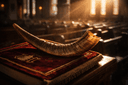
I once saw a similar idea regarding the words of Chazal as to why do we blow the shofar once before mussaf, and then blow the shofar again? Chazal answer that we do this in order to mix up the Satan. Rashi in the Sugya in Rosh Hashana explains that blowing the shofar a second time shows the love of Klal Yisrael. Based on Rashi, we can say by shofar too, the Satan is confused, because if he uses the Avairos that we did against us, that will only work to our benefit, since they will be turned into mitzvos. Hence, the Satan is unsure as to whether or not He should mention our Avairos in Shamayim. On Sukkos, we change from pouring wine on the Mizbeach to pouring water on the mizbeach. Why the change? Chazal say that this is to bring Gishmai Bracha, blessed rain, upon us.
I was thinking of something else that water on the mizbeach represents, that connects to one of my favorite ideas I saw from the Divrai Yoel regarding dancing on Simchas Torah. The word for dancing is Meraked, that also means to sift through, which is one of the 39 Melachos that is forbidden on Shabbas. The Rebbe said that when you are dancing, you are sifting through and purifying your middos. I wanted to add that Chazal tell us that water refers to both the Torah and to humility, since water goes to the lowest places. So too, the wisdom of Torah is given only to those who are humble.
The joy of Sukkos is the joy of creating a vessel for Torah, since there is no joy without the Torah. The Torah is the source of joy and the source of clarity, without which we can’t find yishuv hadaas and purpose in life. May we merit to dance with all our body and soul this Sukkos, and especially on Simchas Torah.
by Rabbi Daniel Coren

Related Articles