The Snake's Ten Excruciating Punishments
Parsha Pages | October 09, 2023
Print This Article
View Original PDF

The Snake's Ten Excruciating Punishments

Parsha Pages | December 31, 2025

The Snake's 10 Excruciating Punishments

  1. The first curse was that angels descended and cut off his hands and feet. He screamed so loudly that it could be heard from one end of the world to the other. This was because he brought death to the world. When a person commits murder, it is because he is being dragged after his passions. The serpent was therefore punished in that he would have to drag himself on his belly.
  2. Until this time the serpent did not eat regular food like other animals, but was nourished by spiritual "food." The second curse was that he should now eat the dust of the earth. Even if he were to eat the tastiest things in the world, he would taste only dust. He also cannot be satisfied unless he eats dust. One should not think he can make do with any kind of dust that he finds. If this were the case, it would be a blessing; he would not have to struggle for food. The only dust that can nourish the serpent is that which comes from great depths, and he must dig down to reach it.
  3. Before this, the serpent was very important; he was considered the king of all the animals. The third curse was that he be cursed by all the animals. [The word MiKall, which we have translated as "above all," is literally, "from all." This verse can thus be read, "Cursed are you from all the animals."]
  4. The fourth curse was that the serpent would constantly be leprous. The white dots on his body are leprous spots. This was punishment because he slandered HaShem. In general, leprosy is a punishment for slander and malicious speech (Lashon HaRa). The punishment fits the crime, since malicious speech causes people to become separated from each other. The punishment is leprosy, where the person must also be separated from all men. (commentary on Metzorah, MeAm Loez commentaries)
  5. The fifth curse was that the snake must shed his skin every seven years. He must find two very smooth stones, where he can squeeze between them, pulling off his skin. This produces excruciating pain. (Bereishis Rabbah. Cf. Tikunei Zohar 92b; Zohar, Sh'lach) Besides this, the serpent must also remain skinless until he can grow a new hide. This punishment also fits the crime, because Adam was created with a beautiful shining skin. (Targum Yonasan; Pirkei Rabbi Eliezer) This skin shone like our fingernails do today. (Rabbi Moshe Alshikh - Toras Moshe, Venice, 1601 p. 17) [By causing Adam to sin, the snake made him lose this beautiful skin.] For this reason, we gaze at our fingernails during Havdalah. All during the Shabbos the person has been like a king. He wore his best clothing, ate good food, and drank good wine. It is therefore very easy for him to feel self-important and to discuss weekday things on the Shabbos. Gazing at his fingernails, he should realize how much harm the sins [of pride and excessive speech] can bring, and repent. (Zohar, VaYakhel)
  6. The sixth curse was that there would be great hatred between the woman and the serpent. [The Talmud teaches that the serpent actually relations with the woman, so she said that he "seduced" her.] When a man and woman sin with each other, they end up hating each other. A good example is found in the case of Amnon and Tamar (2Shmu'el 13:15) This hatred exists even today. People have an inborn loathing for snakes, whenever a snake is seen, people smash its head.
  7. The seventh curse was that a human can smash a snake's head, but if it wants to retaliate, it can only bite a person's heel. HaShem told Adam that if his children keep the Torah, they do not have to worry about the serpent. It is not the serpent that kills, but sin. If they do not keep the mitzvot, authority is given to the serpent to bite them. (Tikunei Zohar, p. 10) Here too, the punishment fits the crime. The serpent bites people on the heel because they are not careful with the mitzvot; they tread on them with their heels. (Targum Yonasan)
  8. The eighth curse was that poison exists inside his mouth. This actually burns the snake's mouth.
  9. The ninth curse is death. Since the serpent was the cause of death, he was the first to experience it.
  10. In the ultimate future, when the Mashiach comes, all will be healed, great and small. In the case of the serpent, however, HaShem said, "Dust shall you eat, all the days of your life." This is an allusion that he will remain this way even in the Messianic Age. (Zohar Chadash 18b) The same is true of anyone who speaks maliciously. He will never be healed unless he repents completely. (Targum Yonasan; Bachya; Zohar, Sh'lach) It may seem that the fact that the serpent lost the power of speech should also be counted among these curses, since this was the worst of them all. But actually, since "dust is his bread" (Yeshayahu 65:25), the serpent's tongue became gross, and he lost the power of speech. (Toledot Yitzchak)
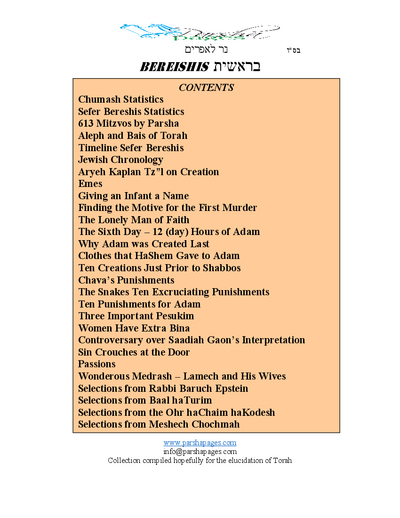
The Snake's 10 Excruciating Punishments

  1. The first curse was that angels descended and cut off his hands and feet. He screamed so loudly that it could be heard from one end of the world to the other. This was because he brought death to the world. When a person commits murder, it is because he is being dragged after his passions. The serpent was therefore punished in that he would have to drag himself on his belly.
  2. Until this time the serpent did not eat regular food like other animals, but was nourished by spiritual "food." The second curse was that he should now eat the dust of the earth. Even if he were to eat the tastiest things in the world, he would taste only dust. He also cannot be satisfied unless he eats dust. One should not think he can make do with any kind of dust that he finds. If this were the case, it would be a blessing; he would not have to struggle for food. The only dust that can nourish the serpent is that which comes from great depths, and he must dig down to reach it.
  3. Before this, the serpent was very important; he was considered the king of all the animals. The third curse was that he be cursed by all the animals. [The word MiKall, which we have translated as "above all," is literally, "from all." This verse can thus be read, "Cursed are you from all the animals."]
  4. The fourth curse was that the serpent would constantly be leprous. The white dots on his body are leprous spots. This was punishment because he slandered HaShem. In general, leprosy is a punishment for slander and malicious speech (Lashon HaRa). The punishment fits the crime, since malicious speech causes people to become separated from each other. The punishment is leprosy, where the person must also be separated from all men. (commentary on Metzorah, MeAm Loez commentaries)
  5. The fifth curse was that the snake must shed his skin every seven years. He must find two very smooth stones, where he can squeeze between them, pulling off his skin. This produces excruciating pain. (Bereishis Rabbah. Cf. Tikunei Zohar 92b; Zohar, Sh'lach) Besides this, the serpent must also remain skinless until he can grow a new hide. This punishment also fits the crime, because Adam was created with a beautiful shining skin. (Targum Yonasan; Pirkei Rabbi Eliezer) This skin shone like our fingernails do today. (Rabbi Moshe Alshikh - Toras Moshe, Venice, 1601 p. 17) [By causing Adam to sin, the snake made him lose this beautiful skin.] For this reason, we gaze at our fingernails during Havdalah. All during the Shabbos the person has been like a king. He wore his best clothing, ate good food, and drank good wine. It is therefore very easy for him to feel self-important and to discuss weekday things on the Shabbos. Gazing at his fingernails, he should realize how much harm the sins [of pride and excessive speech] can bring, and repent. (Zohar, VaYakhel)
  6. The sixth curse was that there would be great hatred between the woman and the serpent. [The Talmud teaches that the serpent actually relations with the woman, so she said that he "seduced" her.] When a man and woman sin with each other, they end up hating each other. A good example is found in the case of Amnon and Tamar (2Shmu'el 13:15) This hatred exists even today. People have an inborn loathing for snakes, whenever a snake is seen, people smash its head.
  7. The seventh curse was that a human can smash a snake's head, but if it wants to retaliate, it can only bite a person's heel. HaShem told Adam that if his children keep the Torah, they do not have to worry about the serpent. It is not the serpent that kills, but sin. If they do not keep the mitzvot, authority is given to the serpent to bite them. (Tikunei Zohar, p. 10) Here too, the punishment fits the crime. The serpent bites people on the heel because they are not careful with the mitzvot; they tread on them with their heels. (Targum Yonasan)
  8. The eighth curse was that poison exists inside his mouth. This actually burns the snake's mouth.
  9. The ninth curse is death. Since the serpent was the cause of death, he was the first to experience it.
  10. In the ultimate future, when the Mashiach comes, all will be healed, great and small. In the case of the serpent, however, HaShem said, "Dust shall you eat, all the days of your life." This is an allusion that he will remain this way even in the Messianic Age. (Zohar Chadash 18b) The same is true of anyone who speaks maliciously. He will never be healed unless he repents completely. (Targum Yonasan; Bachya; Zohar, Sh'lach) It may seem that the fact that the serpent lost the power of speech should also be counted among these curses, since this was the worst of them all. But actually, since "dust is his bread" (Yeshayahu 65:25), the serpent's tongue became gross, and he lost the power of speech. (Toledot Yitzchak)
PDF Preview